Commercial Solar Case Study Kansas: The Real ROI
Let's be honest, there are a lot of myths floating around about commercial solar. You’ve probably heard that it’s too expensive, that it won’t work with Kansas weather, or that the installation will disrupt your business for weeks. Most of that information is outdated or just plain wrong. The best way to see the real potential is to look at a commercial solar case study Kansas businesses have completed, which shows how modern systems perform and deliver returns. This guide is here to cut through the noise and give you the facts, debunking common misconceptions and showing you how achievable a solar-powered future really is for your company.
Key Takeaways
- Solar is a smart financial move: It's a strategic investment that stabilizes unpredictable energy costs. Flexible financing and powerful tax incentives make it accessible, allowing you to lower monthly bills and see a strong return.
- A good partner handles everything : The installation process is more straightforward than you might expect. An experienced solar provider manages the entire project, including custom design, local permits, and installation, which minimizes disruption to your operations.
- It's an investment in your community: Going solar shows your commitment to sustainability, which can attract customers and improve your brand image. Your investment also has a positive local impact by creating jobs and contributing to a more reliable state power grid.
Why Are Kansas Businesses Going Solar?
Across the Sunflower State, business owners are making a smart move by switching to solar energy. And it's not just about being green, though that's certainly a bonus. The decision is rooted in practical, financial sense. From manufacturing plants in Wichita to agricultural operations in the countryside, companies are discovering that solar power offers a reliable way to cut down on unpredictable and rising electricity costs. This shift gives them more control over their budgets and provides long-term financial stability in a world of fluctuating energy prices.
Beyond the balance sheet, going solar sends a powerful message to customers, employees, and the community. It shows a commitment to innovation and a sustainable future for Kansas. As more businesses make the switch, they are proving that what’s good for the environment can also be great for the bottom line. This forward-thinking investment strengthens not only individual businesses but also our state's energy independence and economic resilience.
Harnessing Kansas's Sunshine for Your Business
It’s no secret that Kansas gets plenty of sunshine, and that sunlight is a powerful, untapped resource for your business. We’re already seeing its potential on a massive scale. For example, the Johnson Corner Solar Project in Stanton County provides clean, renewable electricity to thousands of homes, proving that our state is an ideal location for solar generation. The same abundant sunshine that powers a huge solar farm can be harnessed right on your company’s rooftop.
By installing a commercial solar system, you can convert your building’s unused space into an asset that generates power and savings every single day. This move helps you significantly lower your monthly operating costs and protects your business from future utility rate hikes. Barkley Solar offers custom commercial solar solutions designed to meet the specific energy needs of your business, helping you turn Kansas sunshine into a competitive advantage.
Commercial vs. Residential Solar: What's the Difference?
While both residential and commercial solar systems operate on the same basic principle, their design, scale, and financial structures are quite different. Residential systems are designed to meet the energy needs of a single household. Commercial projects, on the other hand, are much larger and are engineered to power everything from office buildings and retail stores to large industrial facilities. This often involves more complex designs and a greater number of panels.
The motivations can also differ. While homeowners want to lower their bills, businesses often have additional goals. As one case study of a Kansas City church noted, the organization wanted to lower its running costs while also being more eco-friendly. For some businesses in remote areas, off-grid solar systems can even be a practical solution when connecting to the main power grid is too difficult or expensive. Understanding these differences is the first step in finding the right system for your specific needs.
Understanding the Financial Benefits of Commercial Solar
When you think about your business's monthly expenses, the electricity bill is probably one of the most unpredictable. Going solar changes that. It’s not just about being green; it’s about making a smart financial decision that gives you control over a significant operational cost. By generating your own clean energy, you can stabilize your expenses, protect your business from rising utility rates, and invest the savings back into what matters most: growing your company. Let's break down exactly how the numbers work in your favor.
Lower Your Monthly Electricity Bills
The most immediate and satisfying benefit of installing a commercial solar system is watching your monthly electricity bills shrink. Instead of paying the utility company for all your power, you generate it yourself, right on your rooftop or property. For many Kansas businesses, this translates into thousands of dollars in annual savings. For example, one case study showed a local organization saves about $7,200 each year on energy bills. Imagine what your business could do with that extra cash flow. You could hire a new employee, expand your marketing budget, or simply enjoy a healthier bottom line. It’s a straightforward way to reduce overhead and make your operations more resilient.
Calculating Your ROI and Payback Period
As a business owner, you need to know the return on investment (ROI) for any major purchase. Solar is no different. Your payback period is the time it takes for your energy savings to completely cover the initial cost of the system. After that, every bit of energy you produce is pure profit. In one instance, a local organization planned to own its system after just six years and continue saving money for decades. Our team at Barkley Solar can provide a detailed analysis of your potential ROI and payback period, taking into account your energy usage and available incentives. We’ll also walk you through the various financing options that can make the upfront investment even more manageable.
How Net Metering Puts Money Back in Your Pocket
What happens on those bright, sunny Kansas days when your panels produce more electricity than your business needs? That’s where net metering comes in. Think of it as a credit program with your utility company. The excess energy your system generates flows back into the grid, and you receive credits on your bill for that power. This ensures no energy goes to waste and maximizes your financial return. Beyond your own meter, large-scale projects show how solar benefits the entire community. For instance, the Johnson Corner Solar Project helps reduce strain on existing power lines, which can save everyone money on costly grid upgrades. It’s a true win-win: you lower your bills, and you contribute to a more stable and efficient local power grid.
How Can You Finance a Commercial Solar Project?
Let's talk about the big question: how do you actually pay for a commercial solar project? The good news is, you have options. Gone are the days when going solar meant you had to have a huge pile of cash ready to go. Today, there are flexible financing paths designed to fit different business models and budgets. Whether you're a manufacturing plant, a family farm, or a local non-profit, there's a smart way to fund your transition to clean energy. It’s all about finding the right fit for your financial goals.
What Is a Solar Services Agreement (SSA)?
Think of a Solar Services Agreement (SSA), sometimes called a Power Purchase Agreement (PPA), as the "solar as a service" model. Instead of buying the panels, a third-party company finances, installs, and maintains the entire solar system on your property. You don't have to worry about the upfront cost or the upkeep. Your only job is to pay for the clean energy the system produces, usually at a rate that’s lower and more predictable than your current utility bill. This approach makes solar accessible for businesses, schools, and churches that want the savings without the initial capital investment. Our team can walk you through all the financing details.
Leasing vs. Purchasing: Which Is Right for Your Business?
Deciding whether to lease or purchase your solar system depends on your organization's financial structure and long-term goals. Purchasing a system means you own it outright. This path offers the highest return on investment over time because you get to claim all the tax credits and reap 100% of the energy savings. On the other hand, an SSA or lease allows you to benefit from solar with little to no money down. This is an especially strong option for non-profits or other organizations that don't have a tax liability, since they can't use the tax incentives anyway. With an SSA, you get immediate energy savings without the large capital expense.
Leveraging Federal and Kansas Tax Incentives
Tax incentives are a game-changer for making commercial solar projects affordable. The most significant is the federal Solar Investment Tax Credit (ITC), which allows the system owner to deduct a large percentage of the installation cost from their federal taxes. This isn't just a deduction from income; it's a dollar-for-dollar credit that directly reduces your tax bill, dramatically lowering the net cost of your system. For organizations that can't use tax credits, like a church or school, an SSA allows the solar provider to claim the incentives. We then pass those savings on to you in the form of a lower, locked-in electricity rate, ensuring everyone can benefit from solar power.
What to Expect During Your Commercial Solar Installation
Making the decision to go solar is a big step, and it’s natural to wonder what the installation process actually looks like. The good news is that when you work with an experienced partner, the process is straightforward and designed to minimize disruption to your business. We handle the heavy lifting so you can stay focused on what you do best. From the initial design to the moment we flip the switch, here’s a clear breakdown of what you can expect.
Assessing Your Property and Designing Your System
The first step is creating a custom plan for your business. A thorough site assessment is key to designing the most effective system. We’ll visit your property to evaluate factors like your roof’s orientation and condition, any potential shading from nearby trees or buildings, and your building’s structural integrity. As the Solar Energy Industries Association notes, a detailed assessment helps determine the best commercial solar design for your specific needs. We also analyze your past energy bills to understand your consumption patterns, ensuring the system we design is perfectly sized to maximize your savings and ROI.
Handling Permits and Regulations in Kansas
Dealing with local rules and paperwork can feel overwhelming, but this is where our local expertise really shines. In Kansas, every commercial solar project needs to follow local zoning laws and building codes, which can differ from one municipality to another. The Kansas Corporation Commission (KCC) oversees the state's guidelines for renewable energy, and we manage the entire permitting process for you. We prepare and submit all the necessary applications and coordinate with local officials to ensure your project is fully compliant, saving you the headache of trying to figure it all out on your own.
Connecting Your System to the Grid
Once your solar panels are installed, the final major step is connecting your system to the local utility grid. This process is called interconnection, and it’s what allows you to send any excess energy your panels produce back to the grid for credit on your bill. The Kansas Corporation Commission has specific interconnection standards that every project must meet. We handle the application and work directly with your utility provider to get your system connected and approved. Our team ensures all technical requirements are met for a seamless and safe connection, getting you one step closer to energy independence.
Your Step-by-Step Installation Timeline
You’re likely wondering how long this all takes. While every project is unique, the average solar installation timeline for a commercial system is about three to six months from our initial consultation to the final activation. This timeline includes all the phases we’ve discussed: the initial design, securing permits, the physical installation, and final inspections and interconnection. The actual on-site construction is just one part of the process and is often completed in a matter of weeks. We’ll always provide you with a detailed project schedule and keep you updated every step of the way.
Which Kansas Businesses Benefit Most from Solar?
Solar energy isn't a one-size-fits-all solution, but certain industries in Kansas are perfectly positioned to reap incredible rewards. Businesses with high energy consumption, large roof or land areas, and a desire to stabilize long-term operational costs are prime candidates. Think about your business's biggest expenses. If your electricity bill is consistently one of the highest, solar could be a game-changer. It transforms a variable, unpredictable cost into a fixed, manageable investment in your own infrastructure. From bustling factories to sprawling farms, solar power offers a path to lower bills and greater energy independence. This isn't just about being green; it's a strategic financial decision that can strengthen your company's resilience for decades. The beauty of commercial solar is its scalability and adaptability. Whether you have a massive, flat warehouse roof or acres of unused land, there's likely a system design that can meet your specific energy needs and financial goals. If you're wondering whether your business fits the bill, let's look at some of the sectors that see the biggest benefits from making the switch. We'll explore how different types of Kansas businesses can turn our state's abundant sunshine into a tangible asset.
Manufacturing and Industrial Facilities
These facilities are the powerhouses of our economy, and they have the energy bills to prove it. Constant operation means constant energy draw, making electricity a major overhead cost. This is where solar shines. By installing a commercial solar system, manufacturing plants can generate their own clean electricity on-site, drastically cutting their reliance on the grid. The Kansas Solar Energy Coalition points out that facilities running 24/7 are ideal candidates for solar because they can offset a huge portion of their energy costs. This leads to significant long-term savings and a strong, predictable return on investment, freeing up capital for other areas of your business.
Agricultural Operations
Kansas farms and ranches are the backbone of our state, and they often have two things in abundance: open land and high energy needs. Powering irrigation systems, grain dryers, and other essential equipment adds up quickly. Solar energy offers a practical solution. The USDA notes that solar can help farmers reduce their electricity costs and increase their energy independence, which is a huge advantage for rural operations that might face less reliable grid access. Ground-mounted solar arrays can be installed on non-arable land, turning unused space into a power-generating asset. It’s a smart way to secure a reliable power source and control one of your most significant variable costs for years to come.
Municipalities, Governments, and Non-Profits
Public and non-profit organizations are always looking for ways to make their budgets go further while serving the community. Solar offers a fantastic opportunity to do both. By powering city halls, schools, and community centers with solar, these entities can lower their operational costs and redirect those savings toward essential public services. According to the National Renewable Energy Laboratory, local governments can use solar to meet sustainability goals and save taxpayer money. For non-profits, grants and special financing can often cover a large part of the initial installation cost, making clean energy more accessible than ever. It’s a powerful statement of fiscal responsibility and commitment to a greener future for the community.
Retail and Commercial Properties
For retailers, office buildings, and other commercial properties, managing overhead is key to profitability. Solar panels installed on large, flat rooftops can generate a substantial amount of electricity, directly lowering monthly utility bills. But the benefits go beyond the bottom line. The Solar Energy Industries Association highlights that retailers can enhance their brand image by adopting renewable energy. In a competitive market, demonstrating a commitment to sustainability can attract environmentally conscious customers and tenants. It sets your business apart and shows that you’re invested not just in your own success, but in the well-being of the community you serve.
How Commercial Solar Strengthens the Kansas Economy
When a Kansas business decides to go solar, the benefits ripple out far beyond its own property lines. It’s not just about lowering an electricity bill; it’s about investing in the entire state. Commercial solar projects are becoming a powerful force for good in our economy, creating a stronger, more resilient, and sustainable Kansas for all of us. From creating new jobs to modernizing our energy infrastructure, the impact is real and growing every day.
Creating Jobs and Driving Local Growth
The switch to solar is putting Kansans to work. Large-scale projects require a skilled team for construction, installation, and ongoing maintenance, creating stable, well-paying jobs right here at home. For example, the recent Johnson Corner Solar Project alone created 200 jobs during its construction phase. This isn't just a number; it represents 200 local families supported by the clean energy industry. When businesses invest in solar, they are also investing in the local workforce, driving economic growth that keeps our communities vibrant and strong. It’s a direct way to support the local economy while also improving your own bottom line.
Strengthening the Local Power Grid
Think of commercial solar as a way to build a more robust and reliable power grid for our state. When businesses generate their own clean energy on-site, they reduce the demand on our aging electrical infrastructure. This distributed generation helps prevent grid strain, especially during peak usage times on hot summer days. By producing power closer to where it’s used, we can reduce the need for expensive and disruptive transmission line upgrades. A stronger, more resilient grid means fewer power outages and a more dependable energy supply for everyone, which is a win for both businesses and residential communities across Kansas.
Building a Greener Future for Kansas
Choosing solar is one of the most impactful ways a business can contribute to a healthier, more sustainable Kansas. Every solar panel installed helps reduce our state's reliance on fossil fuels, cutting down on air pollution and greenhouse gas emissions. Projects across the state are now providing clean, renewable electricity to thousands of homes and businesses, paving the way for a brighter future. By investing in commercial solar, you’re not just making a smart financial decision. You’re also taking a tangible step toward preserving Kansas's natural beauty and ensuring a cleaner environment for generations to come. It’s a powerful statement about your company’s values and commitment to the community.
Debunking Common Commercial Solar Myths
Switching to solar is a big decision, and it’s natural to have questions. A lot of the information floating around about commercial solar is outdated or just plain wrong. Let's clear the air and look at what going solar really means for a Kansas business. We'll tackle some of the most common myths I hear from business owners and show you that a solar-powered future is more achievable than you might think. By separating fact from fiction, you can make an informed choice that’s right for your company’s goals and bottom line. We're here to provide straight answers and help you see the real potential of solar energy for your business.
Myth: "The upfront costs are too high."
I get it, the initial price tag can seem like a major hurdle. But the idea that solar is unaffordable for most businesses is simply not true anymore. Smart project design and accessible financing have changed the game. For example, the Kansas City Water Department implemented an off-grid solar system that met their energy needs and provided significant upfront savings. Plus, flexible financing options are designed to make the switch manageable. The Unity Temple Country Club Plaza used a Solar Services Agreement (SSA) to go solar without the high initial expense. These agreements allow you to start saving on energy costs right away, proving that financial barriers can be effectively managed with the right plan.
Myth: "Solar doesn't work well in Kansas weather."
This is one of the most persistent myths, but it couldn't be further from the truth. Modern solar panels are incredibly efficient and designed to generate power even on overcast days. Kansas actually gets plenty of sunshine to make solar a fantastic investment. You only need to look at the Johnson Corner Solar Project, a massive solar farm right here in Kansas, to see proof. This project successfully provides clean electricity to the grid, demonstrating that solar technology is more than capable of thriving in our state's variable climate. Your commercial solar system will be a reliable energy source for your business, rain or shine.
Myth: "The installation will disrupt my business."
Worries about a lengthy, disruptive installation process are completely understandable. No business owner wants their operations put on hold. The good news is that a well-planned installation is surprisingly fast and efficient. The Kansas City Water Department’s entire system was up and running in just two weeks. As your solar partner, our job is to create a detailed installation plan that works around your schedule. We handle the logistics and coordination to ensure the process is smooth and causes minimal interruption to your daily business activities. You can start enjoying the benefits of clean energy without skipping a beat.
Overcoming Common Hurdles to Going Solar
Making the switch to solar is a big decision, and it's normal to have questions about potential challenges. The good news is that for every common hurdle, there’s a straightforward solution. Let's walk through the main concerns businesses have and how a dedicated partner can help you clear them with confidence.
Finding the Right Financing for Upfront Costs
The initial investment is often the biggest question mark for business owners. While the upfront cost of a commercial solar system can seem high, it shouldn't be a barrier. Many businesses use flexible financing options that require little to no money down. For example, a Solar Services Agreement (SSA) allows a third party to finance, install, and maintain the panels on your property. You simply purchase the clean energy produced at a lower, predictable rate. This lets you reap the rewards of solar without the capital expense, making the financial benefits accessible from day one.
Creative Solutions for Limited Space
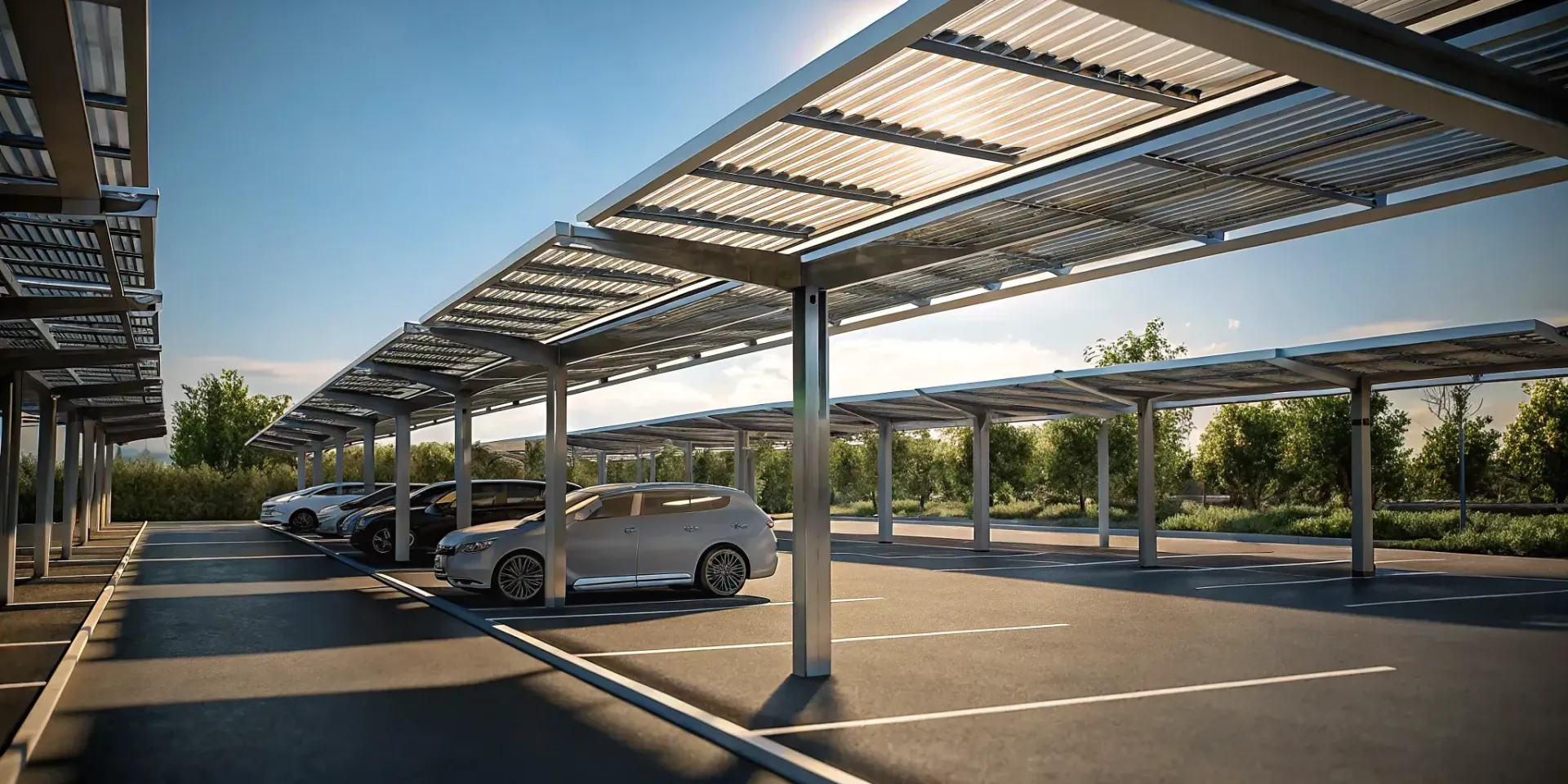
What if you don't have a massive, south-facing roof? Don't worry, you don't always need one. A professional solar installer can assess your entire property to find the best place for your panels. Your system can be tailored to fit the space you have available. This might involve using high-efficiency panels that produce more power in a smaller area or installing ground-mounted arrays or solar carports. A custom design ensures your system is optimized for your specific location and energy needs, turning perceived limitations into smart, energy-producing solutions.
Staying on Top of Policy and Regulation Changes
The world of solar incentives, local permits, and utility regulations can feel complex, and it’s always changing. Trying to manage this on your own can be overwhelming and time-consuming. The best approach is to work with experienced solar experts who handle this for you. A good local partner is always current on federal and Kansas-specific policies. They will manage all the paperwork, from securing permits to registering your system with the utility company, ensuring your project is compliant and that you capture every available tax credit and incentive.
Is Your Kansas Business Ready for Solar?
Deciding to take your business solar is a significant step, but it’s one that can pay dividends for years to come. Before you jump in, it’s important to assess whether your business is truly in a position to make the most of a solar investment. Thinking through a few key areas will help you clarify your goals, understand your options, and find the right team to bring your project to life. This isn't just about installing panels; it's about making a strategic business decision that aligns with your financial and operational objectives. Let's walk through the essential questions to ask and what to look for in a partner.
Key Questions to Ask Before You Commit
Before you sign any contracts, take a moment to evaluate your business’s specific needs. First, consider your location. Is your property connected to the main power grid, or is it in a more remote area where an off-grid solar system might be a more practical solution? Next, look at your finances. If you’re a non-profit, church, or school, a large upfront investment might not be feasible. In that case, a Solar Services Agreement (SSA) could allow you to benefit from solar without the initial cost. It’s also wise to explore all the flexible financing options available to Kansas businesses to find the best fit for your budget and long-term goals.
How to Choose the Right Commercial Solar Partner in Kansas
Your solar installer is more than a contractor; they’re a long-term partner in your energy strategy. Look for a company that prioritizes education and is willing to sit down with you for a detailed consultation to answer your questions. The right partner will help you understand if solar is a good fit for your business. Ask potential installers about the equipment they use. A reliable system is built with industrial-strength components designed to withstand Kansas weather and perform for decades. Finally, choose a local expert with a proven track record in commercial solar. They will have deep knowledge of local regulations, utility requirements, and incentives to ensure your project runs smoothly from start to finish.
Related Articles
- Commercial Solar Company in Wichita, KS | Barkley Solar
- Commercial Solar Installation in Wichita, KS | Barkley
- KS Solar Power FAQs | Barkley Solar
- Expert Solar Services in Wichita, KS | Barkley Solar
- Solar Products Available in Wichita, KS | Barkley Solar
Frequently Asked Questions
How long does it take for a commercial solar system to pay for itself? The payback period for a commercial solar system in Kansas typically ranges from about five to ten years. This timeline depends on your system's size, your total energy consumption, and the financing route you choose. After your system has paid for itself through energy savings, all the electricity it generates is essentially pure profit for your business for the next 20-plus years. We can provide a custom analysis to give you a more precise estimate for your specific situation.
What if my business doesn't have the cash for a large upfront investment? This is a very common concern, and it’s why flexible financing exists. You don't need a pile of cash to go solar. A Solar Services Agreement (SSA) is a popular option where a solar provider like us covers the entire cost of installation and maintenance. You simply agree to buy the clean power produced by the system at a fixed, low rate, so you start saving money from day one with no capital expense.
Will my business still have power during a grid outage if I have solar panels? Standard grid-tied solar systems are designed to shut down automatically during a power outage. This is a safety measure to protect utility workers who are making repairs to the power lines. However, if energy independence during an outage is a priority for your business, you can pair your solar system with battery storage. This combination allows you to store excess solar energy and use it to keep your essential operations running when the grid goes down.
What happens if my roof needs repairs or replacement after the panels are on it? This is a great question and something we plan for. If your roof needs work, the solar panels can be professionally removed and then reinstalled once the repairs are complete. As experienced solar partners, we can manage this entire process for you. We coordinate with your roofing contractor to ensure the panels are handled carefully and your system is put back in perfect working order, protecting both your roof and your solar investment.
My organization is a non-profit. Can we still benefit from solar tax credits? While non-profits, churches, and schools can't directly use federal tax credits because they don't have a tax liability, you can still benefit from them indirectly. When you enter into a Solar Services Agreement (SSA), the third-party owner of the system (like Barkley Solar) claims the tax incentives. We then pass those savings on to you in the form of a lower, locked-in electricity rate, making solar an accessible and financially smart choice for tax-exempt organizations.