Hospital Solar Panels: A Complete Guide for Kansas Medical Facilities
This is a subtitle for your new post

Kansas hospitals consume two and a half times more energy per square foot than average office buildings. This high usage makes healthcare facilities ideal for solar investments that stabilize utility costs.
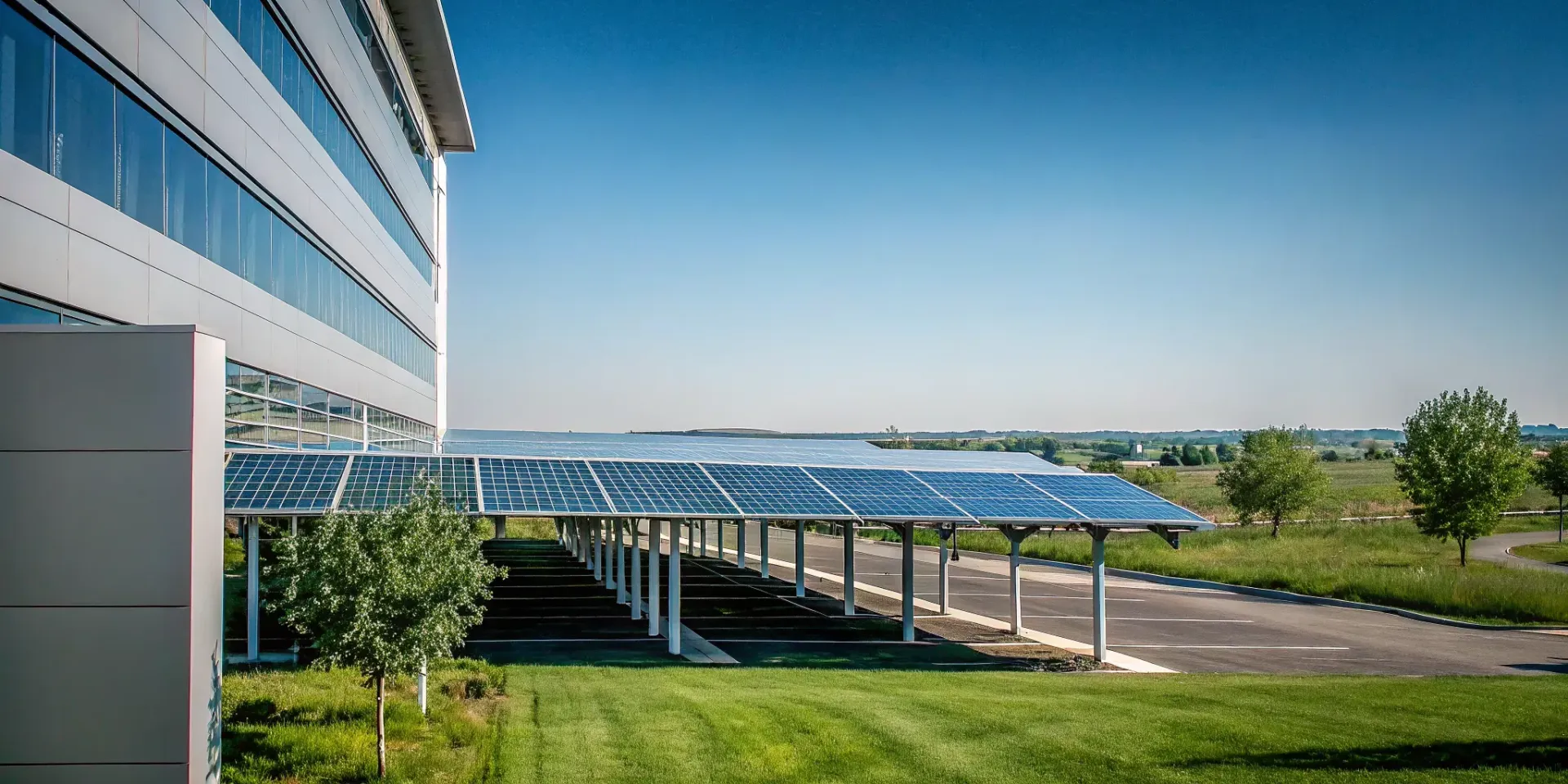
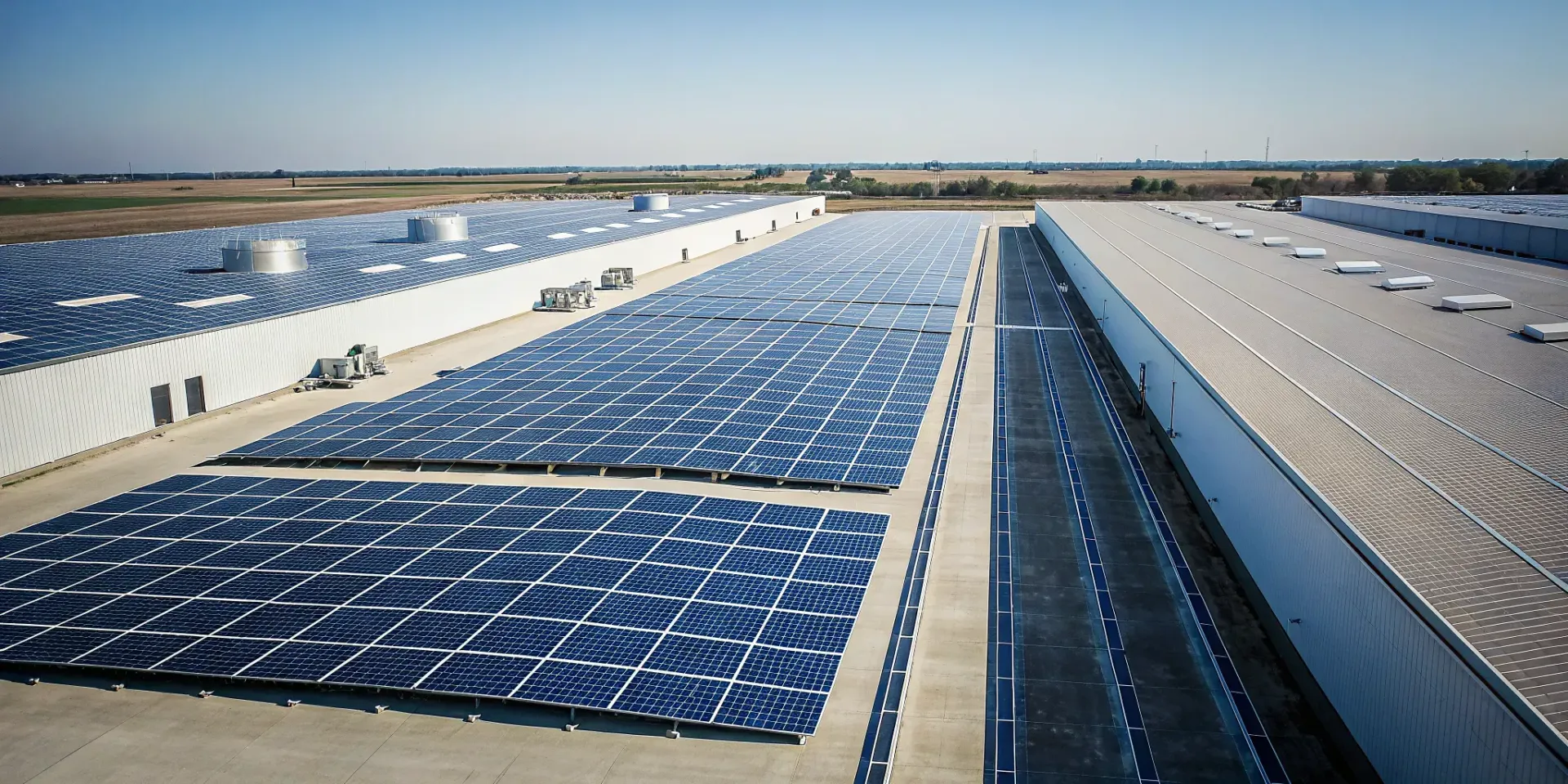
Hospital solar panels offer a strategic way for Kansas healthcare facilities to lower high energy costs and improve daily reliability. Hospitals use two and a half times more energy per square foot than typical office buildings. While Kansas ranks 41st nationally in solar adoption, rooftop arrays can often cut annual hospital utility bills by 25% to 40%. These systems qualify for major gains in Kansas, including the 30% federal tax credit and a 100% property tax exemption. Hospitals must still keep generators for emergency power. Solar paired with battery storage acts as a strong backup that protects medical tools during grid swings. According to federal energy data from the Department of Energy, medical clinics in Kansas are already using large arrays to lock in savings. Using these incentives, most Kansas hospitals see a full return in five to eight years.
Healthcare executives often ask if the financial return makes sense for a large-scale installation. Understanding the shift in the Kansas market helps explain why hospitals are making the move. The path to stable energy costs begins with understanding.
Why Kansas Hospitals and Medical Offices Are Turning to Hospital Solar Panels
Hospitals in Kansas face a unique energy challenge. These facilities are the second most energy-intensive buildings in the state. They use 2.5x more energy per square foot than a standard office. This high demand comes from medical gear that must stay on 24 hours a day. Medical offices also face rising utility costs that eat into budgets for patient care.
The cost of healthcare energy
The US healthcare sector produces about 8.5% of the total greenhouse gas emissions in the country. To lower this impact, many facilities now use hospital solar panels to cut costs and carbon. Solar power can offset 25-40% of the annual energy needs for a hospital. This shift helps clinics lower fixed costs and put more funds toward patient health. For example, some large medical centers save $100,000 per year by using solar power to meet their daily loads.
Untapped solar power in Kansas
Kansas ranks 41st in the nation for solar use, but the state has vast potential. The region gets about 5.4 peak sun hours every day. This high level of sun makes solar a smart choice for local medical centers. Using solar for medical offices can help build a more stable power grid for the local community. By adding solar now, Kansas health systems can lead the way in clean energy while loking in lower power rates for years to come.
Kansas hospitals consume two and a half times more energy per square foot than average office buildings. This high usage makes healthcare facilities ideal for solar investments that stabilize utility costs.
Hospital solar panels offer a strategic way for Kansas healthcare facilities to lower high energy costs and improve daily reliability. Hospitals use two and a half times more energy per square foot than typical office buildings. While Kansas ranks 41st nationally in solar adoption, rooftop arrays can often cut annual hospital utility bills by 25% to 40%. These systems qualify for major gains in Kansas, including the 30% federal tax credit and a 100% property tax exemption. Hospitals must still keep generators for emergency power. Solar paired with battery storage acts as a strong backup that protects medical tools during grid swings. According to federal energy data from the Department of Energy, medical clinics in Kansas are already using large arrays to lock in savings. Using these incentives, most Kansas hospitals see a full return in five to eight years.
Healthcare executives often ask if the financial return makes sense for a large-scale installation. Understanding the shift in the Kansas market helps explain why hospitals are making the move. The path to stable energy costs begins with understanding.
Why Kansas Hospitals and Medical Offices Are Turning to Hospital Solar Panels
Hospitals in Kansas face a unique energy challenge. These facilities are the second most energy-intensive buildings in the state. They use 2.5x more energy per square foot than a standard office. This high demand comes from medical gear that must stay on 24 hours a day. Medical offices also face rising utility costs that eat into budgets for patient care.
The cost of healthcare energy
The US healthcare sector produces about 8.5% of the total greenhouse gas emissions in the country. To lower this impact, many facilities now use hospital solar panels to cut costs and carbon. Solar power can offset 25-40% of the annual energy needs for a hospital. This shift helps clinics lower fixed costs and put more funds toward patient health. For example, some large medical centers save $100,000 per year by using solar power to meet their daily loads.
Untapped solar power in Kansas
Kansas ranks 41st in the nation for solar use, but the state has vast potential. The region gets about 5.4 peak sun hours every day. This high level of sun makes solar a smart choice for local medical centers. Using solar for medical offices can help build a more stable power grid for the local community. By adding solar now, Kansas health systems can lead the way in clean energy while locking in lower power rates for years to come.
Lowering emissions and utility bills
According to the U.S. Energy Information Administration, cutting energy waste is a top goal for state health leaders. Since hospitals use so much power, even small solar systems make a big dent in utility bills. These savings help facilities manage their long-term growth. To see how other large buildings save, read our guide on how solar panels help office buildings lower costs. Most systems pay for themselves through tax breaks and lower monthly bills from the power company.
What Financial Incentives Make Hospital Solar Work in Kansas?
High energy bills are a big stress for medical centers. Hospitals use more power per square foot than almost any other type of building. This high demand makes solar power a smart move. In Kansas, tax perks and state laws help lower the cost of hospital solar panels. When you use these tools, the first price drops fast. Most local clinics can cut their startup costs by more than half.
Federal Tax Credits and Asset Depreciation
The federal government offers a huge boost through the Investment Tax Credit. This credit covers 30% of the total cost for new systems. Some sites can get up to 50% back if they use American parts or build in certain areas. This is a direct tax break, not just a deduction. Big health groups now use these funds to build large arrays. For example, one large health system received $50 million from the Inflation Reduction Act to help pay for a huge solar project.
Asset depreciation is another way to save money. The MACRS rule lets firms write off the cost of solar gear over five years. This fast schedule gives a net benefit of about 20% on the project. When you pair this with tax credits, the math works out well for the bottom line. It helps a commercial solar company show a much faster return on cash for their clients.
Local Kansas Benefits and Net Metering
Kansas has rules that make solar helpful for local clinics. One big win is the 100% property tax exemption. This state law means your property taxes will not go up when you add solar panels. The state wants to help firms go green without adding a tax load. This keeps your yearly costs low and protects your long-term budget.
The state also uses 1:1 net metering through Evergy. This program lets you send extra power back to the grid for a full credit. You can use these credits later when the sun is not out. This plan makes every panel on your roof more useful. It ensures that you get the most out of your solar panel efficiency through the whole year.
Incentive TypeBenefit ValueRules for UseFederal Tax Credit (ITC)30% to 50%Based on project cost and bonus adders.MACRS Depreciation~20% BenefitFive-year fast tax write-off schedule.KS Property Tax Exemption100% ExemptionApplies to all added value from solar.Evergy Net Metering1:1 CreditAvailable for owned utility users.
The Bottom Line on Payback and Savings
Most hospitals see a full payback on their solar system in 5 to 8 years. This is a short window for an asset that lasts for 25 to 30 years. After the system pays for itself, the power it makes is nearly free. Some health groups save over $100,000 each year on their power bills. These savings can go back into patient care or new medical gear.
Combined perks usually offset 50% to 60% of the total system cost. This makes the switch to solar a low-risk choice for many clinic heads. By locking in low rates now, you protect your clinic from future price hikes. It is a solid way to make your medical center more stable for the next three decades.
How Solar Plus Storage Protects Critical Hospital Operations
Hospitals need power that never stops. A loss of energy can put lives at risk. Using hospital solar panels with battery storage adds a new layer of safety. This setup helps sites stay online when the local grid fails. It also lowers the strain on backup units during long blackouts.
Navigating NEC and NFPA Rules
Hospital power systems must follow strict safety codes. The National Electrical Code (NEC) 517.30(B)(2) says you must have a generator on-site. Solar power cannot replace this backup source. However, NEC 517.30(B)(6) lets you use solar as an extra power source. This adds more safety for the building. Healthcare groups in Kansas use this rule to build stronger sites.
Sites must also meet NFPA 99 risk rules and NFPA 110 standards. These codes group building areas into four risk types. They also set rules for how fast power must return, such as Type 10 or Type 60. Category 1 areas are where a loss of power could cause major harm to patients. Solar plus storage helps these high-risk zones stay safe. The U.S. Energy Information Administration shows that hospitals use 2.5 times more energy than common offices. This high use makes a strong power plan vital for every site.
Bridging the Gap with Battery Storage
Modern diesel generators take a few seconds to start. A battery system fills this gap, and it keeps power flowing in the brief switch. Even a small battery can run key devices for a few hours. This extra time helps staff move patients to safe zones.
Battery storage also polishes the power from the grid. It stops small surges and dips from reaching sensitive gear. This keeps MRI machines and lab tools safe from harm. The best part is that you can pair batteries with your solar array to lower your whole power bill. During a grid failure, the battery can power hospital solar panels for critical loads without any safety risk, as the system can be designed to isolate from the grid and meet all code requirements for backup power.
Microgrid Design for Healthcare
Three main choices shape a strong power plan for medical sites. Each one handles risk in a different way. The right fit depends on your site, budget, and energy needs.
- Grid-tied solar only — This is the cheapest option with the fastest return. It lowers your monthly bill, but it does not work when the grid fails unless you have a special inverter that can island. The savings over 5 to 8 years offset the first cost.
- Solar plus battery islanding — This adds an extra cost for a battery backup, but it gives you power when the grid is down. The system can keep key tools online during an outage. The extra cost adds 1 to 2 years to the payback period.
- Full microgrid with all backup sources — This plan uses solar, battery, and a generator in one smart system. It shifts between sources without any pause. The cost is higher, but it ensures the highest level of power safety for important medical work.
Each plan meets NFPA 99 standards at a different cost level. Working with a qualified solar installer helps you match the right option to your building risk class and budget.
What Real Kansas Solar Installations Reveal About Healthcare Savings
Real numbers help paint a clear picture. More and more health sites are using solar to cut costs. Here is what some real projects show about savings.
Local solar success in Kansas
The University of Kansas Health System got a big grant for its energy plan. This group received $50 million from the Inflation Reduction Act to build a new power system. The money will help the health system cut its energy costs by a large amount. This project shows that large health groups in Kansas can use solar to meet their budget needs.
Many other clinics in Kansas are also making the switch. Local health groups now use high-efficiency solar panels to cut costs. The payback time for these systems is about 5 to 8 years. After that, the power is almost free for the next 20 years. This makes solar a smart move for any clinic that wants to lower costs over time.
National hospital solar results
Other health systems across the country have already made the switch to solar with positive results. For example, Kaiser Permanente built a 70 MW solar project that covers about 30% of the system energy needs. Boston Medical Center added a large solar array on its roof and now saves a lot on power costs each year. These examples show that hospital solar panels work well for both small clinics and large health groups.
Across the country, health systems are tapping into the 30% federal tax credit and other incentives to fund their clean energy projects. The Department of Energy reports that the healthcare industry uses a large amount of the total energy in buildings. By shifting to solar, some large systems have cut their energy costs by 25% to 40%. This helps them put more money into patient care, which is the main goal of any health facility.
How to Implement Solar at Your Kansas Medical Facility: A Step-by-Step Guide
Implementing a solar system for a medical facility involves several steps. Here is a guide to help you navigate the process from start to finish.
Initial Planning and Site Assessment
The first step is a full energy audit to understand your facility load profile and solar potential. A qualified auditor will help you perform a site assessment for structural integrity, roof condition, and existing electrical capacity as well as evaluate shading, orientation, and solar access. They will also review your utility bills to establish a baseline for savings projections. This stage typically takes 1 to 2 weeks to complete.
Engineering Design and Tax Strategy
Once the site data is ready, we move to the design phase. This step creates a custom solar plan that fits your building needs and budget. Your system designer will optimize panel layout for maximum energy production and roof space usage. They will plan electrical integration with your existing infrastructure then design battery storage capacity if needed. A structural engineer reviews the plan before we build.
You will also want to map out the financial details early. The 30% Federal Tax Credit is applied as a direct tax liability reduction. You can combine it with MACRS depreciation for an additional ~20% benefit. Kansas Property Tax Exemption applies to the added value. State net metering credits through Evergy should also be factored into the financial model.
The Final Path from Permitting to Testing
After the design is done, we handle the permits and approvals for your medical facility. The local jurisdiction will review your solar permit application for code compliance. Your utility company will provide interconnection approval for grid connection. For medical facilities, fire and building code officials review the plan for safety compliance. This stage typically adds 3 to 6 weeks to the timeline.
Professional installation uses experienced crews with medical facility experience over 2 to 4 weeks. The final step is system testing and commissioning to verify performance, energy production, and safety. A final inspection gets approval from local officials and your utility company. After all checks pass, the system goes live and begins saving you money.
Frequently Asked Questions
Here are answers to common questions about installing solar for Kansas medical facilities.
Do hospitals have solar panels?
Yes, many hospitals in the U.S. use solar power to cut their high energy costs. Hospitals use 2.5 times more power per square foot than normal offices. For example, the University of Kansas Health System received $50 million from the Inflation Reduction Act to help fund a large solar project. Many other health groups across the country use solar to lower their energy bills and reduce carbon emissions. This helps them put more money into patient care instead of utility bills.
How much do solar panels for hospitals cost?
A hospital solar system costs anywhere from $500,000 to several million dollars for large arrays. However, the 30% federal tax credit and other state perks can lower the cost by 50% to 60%. Most medical facilities see a full payback in 5 to 8 years.
After the system pays for itself, the power is almost free for the next 20 to 25 years. Some large systems save over $100,000 per year on utility bills. The exact cost depends on building size, energy needs, roof space, and the type of installation.
What solar credits can Kansas hospitals get?
Kansas hospitals can qualify for several solar incentives. These include the 30% Federal Investment Tax Credit (ITC) on the total system cost. MACRS depreciation gives a fast five-year write-off worth about 20%. The Kansas property tax exemption means 100% of the added value from solar is tax-free. Evergy 1:1 net metering gives full credit for extra power sent back to the grid. Some large health systems can also apply for Inflation Reduction Act grants and direct-pay options for tax-exempt entities.
Do hospital solar panels work during a power outage?
Standard grid-tied solar panels shut off during a power outage for safety reasons. However, a solar-plus-storage system can keep key loads running when the grid is down. With battery backup and islanding capability, your system can power critical medical equipment during an outage. Hospitals must still have a backup generator on site as required by NEC 517.30(B)(2). Solar with battery storage works as an added layer of protection, not a replacement for your existing backup system.
Can solar panels power a hospital entirely?
It is very hard for solar panels to power a whole hospital by themselves. Hospitals use a large amount of power for lighting, HVAC, and medical equipment that must run 24 hours a day. A solar system can cover 25% to 40% of a hospital energy needs depending on roof space and budget. Solar is best used to lower utility costs and improve reliability. It works together with the grid and backup generators to create a complete energy plan for your medical facility.
Ready to Lower Energy Costs for Your Kansas Medical Office?
Every day you wait to switch to solar is another day of high energy costs and missed tax savings. Hospitals in Kansas are already using solar to cut their utility bills and lock in stable energy rates for the next 25 years. The 30% federal tax credit and state-level perks make this the best time to invest in clean energy for your medical facility.
Barkley Solar has the experience and local knowledge to help your Kansas medical facility through every step of the solar process. Our team of certified installers handles everything from the initial site assessment to final system testing and commissioning. We work with your architects, engineers, and utility company to ensure a smooth installation that meets all healthcare facility requirements. Contact us today to schedule a custom proposal review for your Kansas medical facility. Our team will walk you through the numbers, incentives, and design options tailored to your specific site. Call us at (316) 223-6111 or visit our commercial solar page to get started.