How to Choose Your Commercial Solar Installers
Here in Kansas, we know a thing or two about harnessing the power of our wide-open spaces. For business owners, that same principle applies to your rooftops and open land. With plenty of sunshine throughout the year, our state is perfectly suited for solar energy, offering a practical way to gain control over rising electricity costs. But navigating the specific local utility programs and state incentives requires local knowledge. That’s why partnering with experienced Kansas-based commercial solar installers is so crucial. They understand the landscape and can design a system built to perform in our unique climate, maximizing your return on investment.
Key Takeaways
- Hiring a commercial installer means getting a turn-key solution: A qualified partner handles every complex detail for you, including custom engineering, project management, permitting, and ongoing support, so you can focus on your business.
- Financial incentives make solar an accessible investment : Your business can use the 30% federal tax credit and accelerated depreciation to dramatically lower the upfront cost, leading to a faster return on investment and predictable energy expenses for decades.
- Solar offers strategic advantages beyond energy savings: Installing a commercial system is a capital improvement that can increase your property's value, create energy independence, and build a stronger brand by visibly demonstrating your commitment to sustainability.
What Does a Commercial Solar Installer Do?
When you partner with a commercial solar installer, you’re getting more than just panels on your roof. You’re hiring a dedicated energy partner who manages your solar project from the initial concept to long-term maintenance. A professional installer handles all the complex details, ensuring your transition to solar is seamless and your system delivers value for decades. Their role is comprehensive, covering three main phases: design, installation, and upkeep.
Design and Engineer Your System
The first thing a great installer does is get to know your business. They start by conducting a detailed analysis of your energy consumption to understand your unique needs. This isn't a one-size-fits-all process. They’ll perform a thorough site assessment of your property, evaluating your roof’s structure, sun exposure, and any potential shading. Using this data, they design and engineer a custom commercial solar system that is perfectly sized to maximize energy production and your financial return. This tailored approach ensures your system is built for peak performance from day one.
Install and Manage the Project
Once the design is finalized, your installer takes on the role of a full-service project manager. They handle every aspect of the installation, providing a true turn-key solution. This includes securing all necessary permits, procuring high-quality equipment, and coordinating the entire construction process. A key part of their job is to execute the installation with minimal disruption to your daily operations. They create a detailed project plan and work efficiently to get your system up and running smoothly, so you can stay focused on your business.
Maintain and Monitor Your Panels
A solar installer’s job doesn’t end once the panels are switched on. The best companies provide ongoing support to protect your investment. This includes system monitoring to track energy production and ensure everything is operating correctly. They also offer maintenance services to keep your panels clean and efficient. Should you ever need roof work or repairs, they can also provide expert solar panel removal and reinstallation services. This long-term partnership guarantees your solar array continues to generate clean energy and savings for years to come.
What Are the Types of Commercial Solar Installations?
When you picture solar panels on a business, you probably imagine them on a large, flat roof. While that’s a popular option, it’s far from the only one. The best solar setup for your business depends on your property, energy needs, and goals. Exploring the different types of commercial solar installations will help you see what’s possible for your company’s space and budget. Let’s look at the three main options.
Rooftop Systems
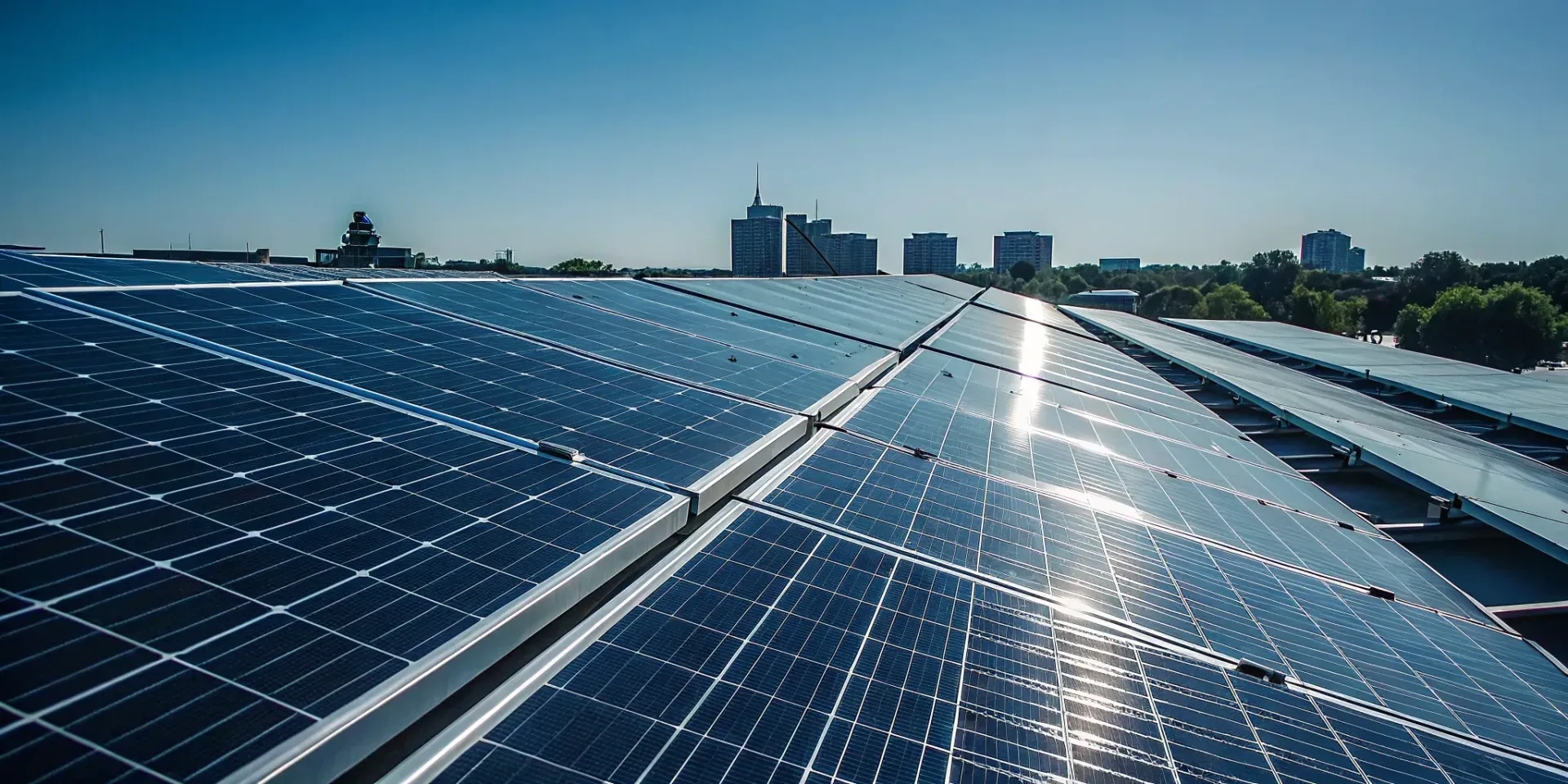
Rooftop solar systems are a go-to choice for many businesses because they make great use of large, otherwise empty roof space. Whether your building has a flat or pitched roof, panels can be securely attached to generate power right where you need it most. For flat roofs, we can use anchored systems that don't require drilling, while special fasteners work for other roof types. This approach is incredibly efficient, turning your building’s existing footprint into a clean energy powerhouse that directly lowers your operating costs.
Ground-Mounted Arrays
If your business has open land available, a ground-mounted solar array could be the perfect fit. These systems are installed on the ground, giving us the flexibility to position them for maximum sunlight exposure. We can even design them with tracking technology that follows the sun’s path throughout the day, generating even more power. Ground-mounted systems are ideal if you want a larger solar array than your rooftop can support or if your roof isn't suitable for panels. They offer a powerful way to meet significant energy demands.
Solar Carports and Canopies
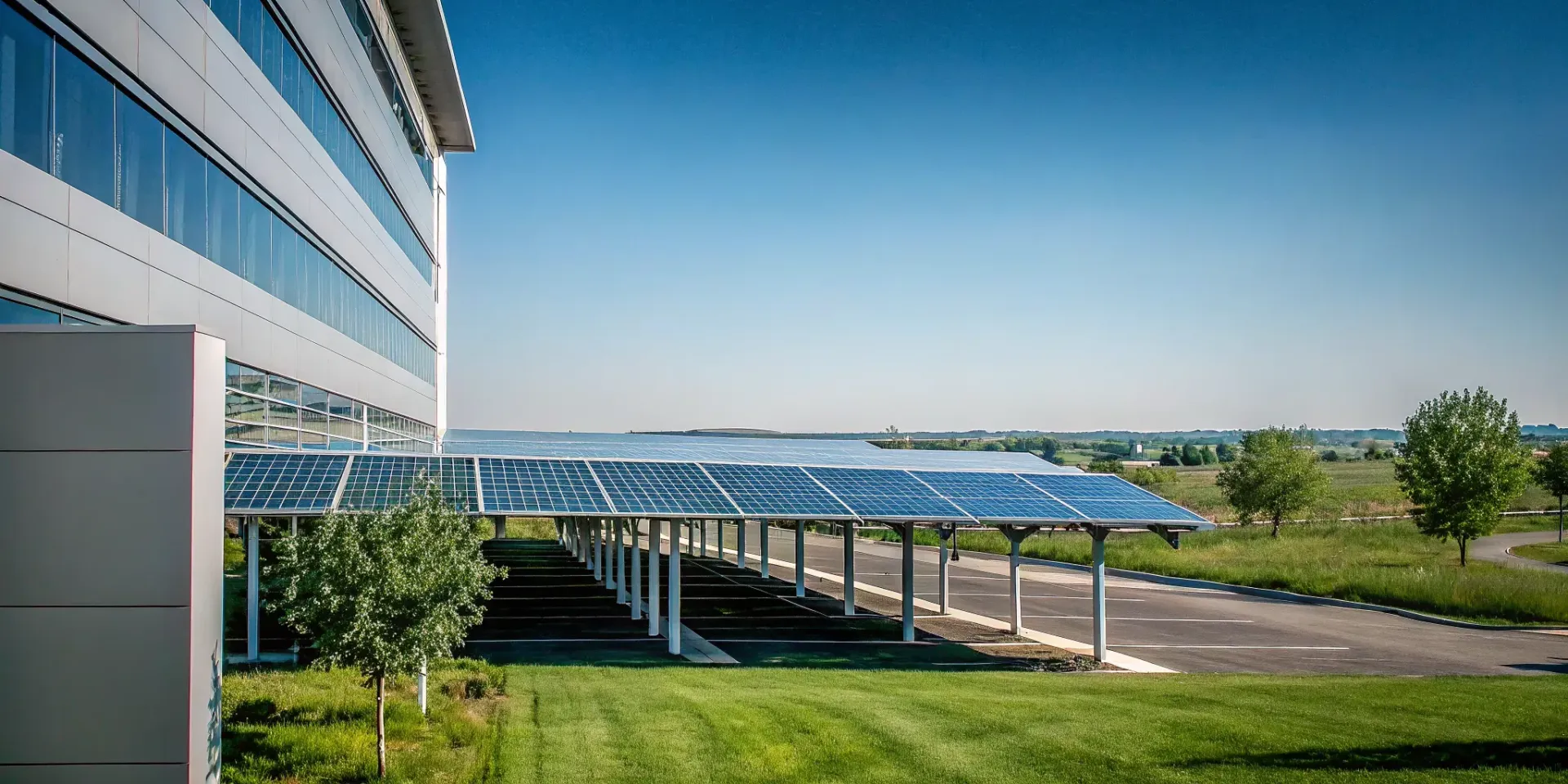
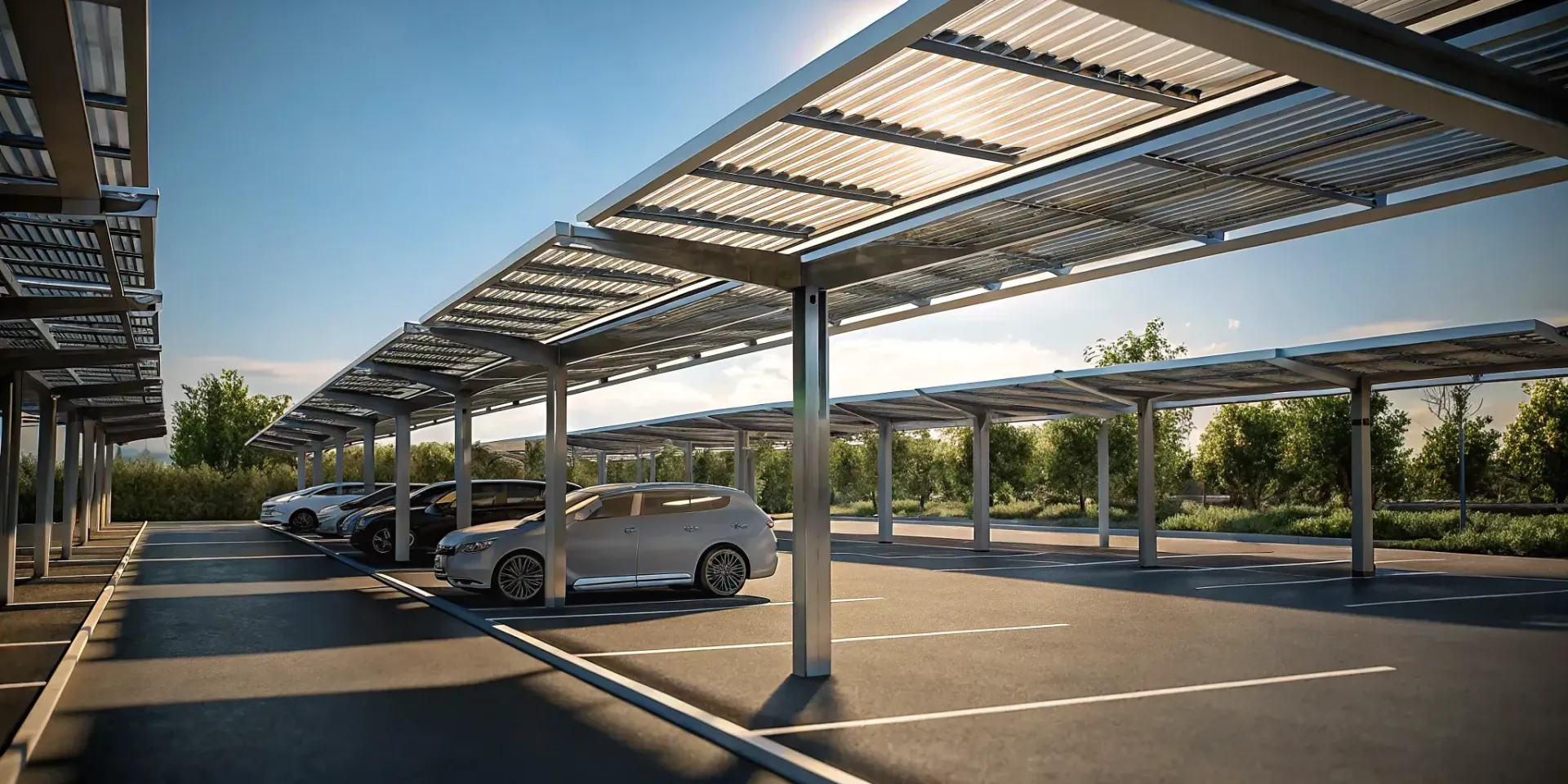
Solar carports and canopies are a brilliant two-for-one solution. These structures generate clean electricity while providing valuable shade and protection for employee or customer vehicles. They are an excellent way to use parking lots and other open areas to advance your sustainability goals without taking up new space. Beyond the practical benefits, solar canopies add a modern, forward-thinking look to your property while demonstrating a clear commitment to renewable energy. It’s a functional upgrade that makes a powerful statement.
Which Businesses Benefit Most from Solar?
Almost any business with a physical location can find value in solar energy. The real question isn't if you can benefit, but how solar fits your specific operational goals. For some, the main driver is slashing high electricity bills. For others, it’s about achieving budget stability or showcasing a commitment to sustainability. The great thing about solar is its flexibility. Whether you run a small retail shop or manage a large industrial facility, there's a solar solution that can fit your needs and property. A custom-designed system ensures you get the right amount of power for your operations without overinvesting.
We find that businesses with significant electricity usage and available roof or ground space see the quickest and most substantial returns. This includes a wide range of sectors, from manufacturing plants and agricultural operations to office buildings and schools. By generating your own clean power, you take control of one of your largest variable expenses. This move not only improves your bottom line but also strengthens your brand's reputation as a forward-thinking, environmentally responsible leader in the community. Let's look at a few specific examples of businesses that are perfect candidates for a commercial solar installation.
Retail and Office Buildings
For retail stores and office buildings, managing overhead is a constant priority. Electricity is often one of the highest operating costs, especially for businesses with long hours, extensive lighting, and significant HVAC needs. Solar panels can greatly lower or even get rid of a business's electric bills, freeing up capital that can be reinvested into growth, inventory, or staffing. These types of buildings often have large, flat rooftops that are ideal for solar arrays, making the installation process straightforward. By locking in predictable energy costs for decades, you can create more accurate financial forecasts and protect your business from volatile utility rate hikes.
Schools, Hospitals, and Non-Profits
Organizations like schools, hospitals, and non-profits operate on tight budgets where every dollar counts. Reducing energy expenses allows them to redirect funds toward their core missions, whether that's enhancing educational programs, improving patient care, or expanding community services. Since these organizations may not have the internal resources to manage a complex construction project, working with a solar installer that provides turn-key solutions is key. A good partner will handle the entire project from start to finish, including engineering, permitting, and installation. This makes the transition to solar seamless and allows you to focus on what you do best: serving your community.
Municipal and Government Buildings
City halls, libraries, fire stations, and other government buildings are pillars of the community, and switching to solar sends a powerful message. It demonstrates fiscal responsibility by lowering long-term energy costs for taxpayers and shows a commitment to local sustainability goals. We can install solar for many types of organizations, including government buildings and churches, helping them lead by example. By adopting clean energy, municipal leaders can inspire residents and local businesses to do the same. It’s a practical way to invest in the community’s future, ensuring stable operational budgets and a healthier environment for everyone. Our team is proud to help local organizations make a positive impact, reflecting our deep commitment to our community.
How Your Business Can Save with Solar Incentives
Switching to solar is a smart operational move, but it’s also a fantastic financial one, thanks to some powerful incentives. These programs are designed to make solar more accessible for businesses like yours by significantly reducing the upfront cost and speeding up your return on investment. Think of them as a financial toolkit that helps you save money from day one. While tax codes and local programs can seem complicated, they’re quite straightforward when you break them down. Let’s walk through the key incentives available to Kansas businesses.
The Federal Investment Tax Credit (ITC)
The biggest financial perk for going solar is the federal Investment Tax Credit, or ITC. This isn’t just a deduction; it’s a dollar-for-dollar credit that reduces the federal income tax you owe. For commercial solar systems, this powerful tax credit allows you to subtract 30% of your project’s total cost right from your tax bill. For a $100,000 solar installation, that’s a $30,000 savings. This incentive makes a huge immediate impact on the affordability of your solar project and is one of the most effective ways to cut the initial investment.
Accelerated Depreciation (MACRS)
On top of the ITC, your business can also benefit from accelerated depreciation. Normally, you’d depreciate a business asset over many years, but the Modified Accelerated Cost Recovery System (MACRS) puts solar on the fast track. Your solar energy system can be depreciated over just five years. This allows you to write off the value of your solar investment much faster, which significantly lowers your taxable income in the short term. Combining the ITC with accelerated depreciation creates a one-two punch that dramatically improves your project's financial outlook and cash flow.
Kansas State and Local Incentives
The savings don’t stop at the federal level. Here in Kansas, additional programs can make your switch to solar even more affordable. Many solar installations are exempt from property tax, meaning your property value can increase without raising your tax bill. You may also find sales tax exemptions on solar equipment and even rebates from local utility companies. These incentives vary by county and utility provider, so it’s worth exploring the specific Kansas solar incentives available in your area. We can help you identify every local opportunity to maximize your savings.
Long-Term Savings with Net Metering
Net metering is where you see the long-term power of your solar investment. When your panels generate more electricity than your business is using, that excess power is sent back to the grid. In return, your utility company gives you credits on your bill. Later, when you need to pull power from the grid (like at night or on cloudy days), you can use those credits to offset the cost. This policy of net metering is fundamental to reducing or even eliminating your monthly electricity bills, ensuring your solar panels keep saving you money for decades to come.
How to Choose the Right Commercial Solar Installer
Selecting a solar installer is one of the most important decisions you'll make in your transition to clean energy. This isn't just about putting panels on a roof; it's about finding a long-term partner who will design, install, and maintain a power system for your business. A great installer ensures your project is done right, on budget, and delivers reliable energy savings for decades. To find the best fit for your business, focus on these key areas.
Check for Licenses, Certifications, and Insurance
Before you even talk about panels or pricing, make sure the installer is properly qualified. Your solar installer should have licensed and certified professionals on their team, especially electricians who are experienced with solar projects. This is a non-negotiable baseline for safety and quality. Ask for proof of their licenses and general liability insurance. This protects your business from any potential issues or accidents during the installation process. A professional company will have this information ready and will be happy to provide it, giving you confidence that you're working with true experts.
Assess Their Commercial Project Experience
Installing a solar system for a business is very different from a residential project. The scale, complexity, and engineering requirements are on another level. You need an installer with a proven track record of successful commercial solar projects. Ask to see their portfolio. Have they worked with businesses similar to yours? Can they provide case studies or references from other local business owners? An experienced installer will understand the unique challenges of commercial installations, from navigating local permits to minimizing disruption to your daily operations. Their experience is your assurance of a smooth and successful project.
Evaluate Equipment Quality and Standards
The performance and longevity of your solar energy system depend entirely on the quality of its components. A reputable installer will only use equipment from well-established manufacturers known for their reliability and strong warranties. While the lowest price might be tempting, it often comes with lower-quality panels and inverters that can underperform and fail prematurely. Ask your potential installer about the brands they use and why they chose them. Top-tier equipment will produce more power, last longer, and give you a better return on your investment over the life of the system.
Review Warranties and Service Agreements
A solar installation is a long-term investment, and solid warranties are your safety net. You should receive two types of warranties: one for the equipment (from the manufacturer) and one for the workmanship (from the installer). A strong workmanship warranty, often covering 10 years or more, shows that the installer stands behind their work. Also, discuss their service and maintenance plans. What happens if your system's production dips? Who is responsible for monitoring and service calls? A reliable partner will offer ongoing support to ensure your system operates at peak efficiency for years to come.
Compare Financing and Payment Options
A great solar installer does more than just handle the technical work; they also help you make the project financially successful. They should be an expert on all the available incentives, including the federal Investment Tax Credit (ITC), accelerated depreciation (MACRS), and any Kansas-specific programs. They should present you with a clear, detailed proposal that breaks down all costs, outlines your projected energy savings, and explains the return on investment. Look for a company that offers flexible financing options and can walk you through the entire financial process, making it easy to understand how solar will benefit your bottom line.
What to Expect from the Installation Process
Going solar is a big decision, and it’s natural to wonder what the installation process actually looks like. The right partner will make the entire journey feel straightforward and transparent, handling the details so you can stay focused on your business. At Barkley Solar, we pride ourselves on being that partner. We manage every aspect of your project, from the initial conversation to the moment you power on your new system. You won’t have to juggle multiple contractors or get lost in paperwork; our team provides a complete, turn-key solution designed around your specific goals.
We believe you should feel confident and informed at every stage. That’s why we’ve broken down our installation process into five clear steps. This structured approach ensures nothing is overlooked, from engineering the perfect system to securing the right permits. It’s designed to be efficient and minimally disruptive, starting with a deep dive into your energy needs and ending with you generating your own clean, affordable power. It’s a collaborative effort where we bring the technical expertise, and you provide the vision for your business’s sustainable future. Let’s walk through what you can expect when you partner with our team for your commercial solar project.
Step 1: Site Assessment and Energy Audit
Everything starts with a conversation. First, our team will conduct a thorough site assessment and energy audit to understand your business’s unique power needs. We’ll review your past electricity bills to analyze your consumption patterns and identify the biggest opportunities for savings. At the same time, we’ll evaluate your property to determine the best placement for your solar panels, whether it’s on the roof or a ground-mounted array. This initial step is all about gathering the data we need to design a system that is perfectly tailored to your operational requirements and financial goals.
Step 2: Custom System Design and Proposal
Once we have a clear picture of your energy profile, our engineers get to work designing your custom solar system. We don’t believe in one-size-fits-all solutions. Instead, we create a detailed proposal that outlines the specific equipment we recommend, the projected energy production, and a transparent breakdown of costs and long-term savings. This proposal includes a visual rendering of how the panels will look on your property. We’ll walk you through every detail, answer all your questions, and make any adjustments needed to ensure the plan aligns perfectly with your vision and budget.
Step 3: Permitting and Paperwork
Here’s the part where you can sit back and relax. Navigating permits and paperwork can be one of the most complex parts of a solar project, but our team handles it all for you. We manage all the necessary applications with local city offices and your utility company to ensure your project is fully compliant with all regulations. Our experienced project managers coordinate every detail, from engineering plans to material procurement. This turn-key approach is central to our commitment to exceptional customer service and is designed to give you a completely stress-free experience.
Step 4: Panel Installation
With the permits approved, it’s time for the main event: installation. Our professional and certified installation crew will arrive on-site to bring your solar project to life. We work efficiently and safely, treating your property with the utmost respect. A key priority for us is minimizing any disruption to your daily business operations. We’ll coordinate with you to establish a schedule that works best for your team and customers. Throughout the installation, our project manager will keep you updated on our progress and ensure the work is completed to the highest standards of quality and craftsmanship.
Step 5: Final Inspection and Activation
After the panels are installed, we’re on the home stretch. The final step involves a series of inspections from both our team and local officials to confirm that everything is installed correctly and safely. Once we get the green light from the utility company, it’s time for the most exciting moment: activating your system. We’ll flip the switch together and officially start your journey with clean energy. We’ll also set you up with a monitoring system so you can track your energy production in real time and show you how it works. Our partnership doesn’t end here; we’re always available for ongoing support.
Common Myths About Commercial Solar, Debunked
Thinking about solar for your business is a big step, and it’s natural to have questions. Unfortunately, there’s a lot of outdated or just plain wrong information out there. Let’s clear the air and look at some of the most common myths about commercial solar, so you can make a decision based on facts, not fiction.
Myth: "It's too expensive for my business."
The upfront cost of a solar installation is a valid concern for any business owner. But thinking of it only as an expense is missing the bigger picture. The reality is that solar panels can greatly lower or even get rid of your business's electric bills, turning a cost center into a long-term asset. Plus, you don't have to foot the entire bill alone. Federal tax credits can cover a significant portion of the total cost of your solar system. When you combine these incentives with our flexible financing options, going solar becomes one of the smartest financial decisions you can make for your company’s future.
Myth: "Solar panels won't work in Kansas weather."
It’s a common belief that you need year-round perfect sunshine for solar to be effective, but that simply isn’t true. Modern solar panels are highly efficient and generate power even on cloudy or overcast days. Here in Kansas, we get more than enough sun to make solar a fantastic investment. More importantly, solar provides a steady, predictable electricity cost for over 25 years, protecting your business from the volatile and rising prices of traditional energy. Our commercial solar systems are designed and built to withstand Kansas weather, from hot summers to snowy winters, ensuring consistent performance when you need it.
Myth: "The installation will disrupt my business."
Worried about a lengthy installation causing chaos and interrupting your operations? We get it. Your business can’t afford significant downtime. That’s why a professional installer will handle the entire project from start to finish with a "turn-key" solution. This means our team manages everything from the initial design and engineering to sourcing materials and completing the construction. We create a detailed installation plan that works around your schedule, not against it. Our goal is to make the process so smooth and efficient that you’ll barely notice we’re there, allowing you to focus on running your business without skipping a beat.
Myth: "Solar isn't reliable enough for my operations."
Some business owners worry that solar energy isn't dependable enough to power their critical operations. The truth is, commercial solar is an incredibly reliable and durable energy solution. High-quality solar panels can last 25 to 30 years with proper care, providing consistent power day in and day out. Your system remains connected to the grid, so you always have a seamless backup. This hybrid approach ensures you draw from your solar panels first to save money and only pull from the utility when needed. It’s a stable, long-term energy strategy that gives you the best of both worlds: sustainability and unwavering reliability.
Long-Term Advantages of Commercial Solar
Installing a solar energy system is more than just a short-term fix for high utility bills; it’s a long-term investment in your business’s future. While the immediate savings are great, the real power of solar unfolds over years, providing financial stability, increasing your assets, and building a stronger brand. These lasting benefits create a powerful foundation for sustainable growth.
Gain Predictable Energy Costs
Utility bills can be one of the most unpredictable operating expenses for a business. Rates often increase without warning, making long-term financial planning a constant challenge. By installing a commercial solar system, you take control of your energy production. Solar not only lowers your monthly electricity bills right away, but it also protects you from rising energy costs because you own your power source. This allows you to lock in predictable, low energy expenses for the 25-plus year lifespan of your panels, giving your business a significant competitive edge and making your budget much easier to manage.
Increase Your Property's Value
A solar installation is a tangible upgrade that can directly increase your property's value. Think of your solar panels as a "virtual tenant" on your roof, generating income in the form of energy savings. This makes your property more attractive to potential buyers or tenants, who will see the immediate benefit of lower operating costs. For property owners, this can translate to a higher sale price or the ability to command higher lease rates. It’s a smart capital improvement that delivers a clear return on investment beyond just the energy it produces.
Achieve Energy Independence
Relying entirely on the grid means your business is subject to rate hikes, policy changes, and service disruptions. Generating your own clean power helps you achieve greater energy independence. By producing electricity on-site, you reduce your dependence on the local utility company for your daily operations. This provides a crucial layer of stability and resilience, protecting your business from the volatility of the traditional energy market. This move toward self-reliance shows that your business is forward-thinking and committed to securing its own future, a core value we share at Barkley Solar.
Strengthen Your Brand with Sustainability
In today's market, customers, employees, and investors are all paying close attention to a company's environmental impact. A commercial solar installation is a powerful and visible statement about your commitment to sustainability. Using solar shows your company cares about the environment by reducing pollution and helping fight climate change. This positive action can significantly strengthen your brand's reputation, attract environmentally conscious customers, and even help you recruit and retain top talent. It’s a way to align your business operations with your values and build a brand that people are proud to support.
Why Choose Barkley Solar for Your Commercial Project?
Choosing the right partner for your commercial solar project is a major decision for your business. At Barkley Solar, we’re not just installers; we’re your local partners in energy independence. With over a decade of experience right here in Kansas, our team understands the specific challenges and opportunities for businesses in our community. Our company history is built on helping local businesses like yours succeed with solar, and we bring that expertise to every project we undertake.
We know that no two businesses are alike, which is why we never offer a one-size-fits-all solution. Our process begins with a thorough assessment of your energy usage and operational goals to design a completely custom commercial solar system. We pair our expert designs with top-tier solar panels and components from industry-leading manufacturers. This commitment to quality ensures your system is built to last, delivering reliable performance and maximizing your return on investment for decades.
We believe a successful project goes beyond just installation. We’re committed to being your long-term partner, providing ongoing support and maintenance to keep your system running at peak efficiency. Our team also helps you make the most of your investment by identifying all available tax credits, incentives, and flexible financing options. We handle the complexities so you can focus on the savings and the positive impact on your bottom line.
Related Articles
- KS Solar Power FAQs | Barkley Solar
- Commercial Solar Company in Wichita, KS | Barkley Solar
- Wichita's #1 Home for Solar Power | Barkley Solar
Frequently Asked Questions
How long does it typically take for a commercial solar system to pay for itself? The payback period for a commercial solar system varies, but it’s often much faster than business owners expect. Factors like your system's size, your energy consumption, and the incentives you use all play a role. When you combine the 30% federal tax credit with accelerated depreciation, many Kansas businesses see a return on their investment in as little as 5 to 10 years. After that point, the electricity your system generates represents pure savings for your business for decades to come.
What kind of maintenance do solar panels require, and who handles it? Modern solar panels are incredibly durable and require very little maintenance. The most common need is simply keeping them clean and clear of debris or snow to ensure they produce at their peak. As your solar partner, we offer ongoing system monitoring to track performance and catch any potential issues early. We also provide professional maintenance and service plans, so you have a dedicated expert ready to help keep your investment operating smoothly for its entire 25-plus year lifespan.
What if my business doesn't have a large, sunny roof? That’s a common concern, but a rooftop is far from your only option. If your business has available land, a ground-mounted solar array can be an excellent and highly efficient solution. We can position these systems to capture the maximum amount of sunlight. Another fantastic alternative is a solar carport, which turns your parking lot into a power-generating asset while providing valuable shade for employees and customers. We assess your entire property to find the best fit for your space and energy goals.
How long does the entire process take, from the first call to activation? The timeline for a commercial solar project depends on its size and complexity, but we manage the process to be as efficient as possible. The initial site assessment and custom design phase moves quickly. The longest part is often waiting for permits and utility approvals, which we handle for you. The physical installation itself is carefully planned to minimize any disruption to your business. From our first conversation to flipping the switch, a typical project can take a few months to complete.
What happens if my solar panels don't produce enough energy, like at night or on a very cloudy day? Your business will never be left in the dark. Your solar system remains connected to the local utility grid, which acts as a reliable backup. When your panels aren't producing power, you will automatically and seamlessly draw electricity from the grid. Through net metering, the excess energy your panels produce during sunny days earns you credits. You can then use these credits to cover the cost of any power you pull from the grid, ensuring you always have the energy you need.