A Guide to Cleaning Solar Panels for More Power
When you notice a layer of dust on your roof, your first instinct might be to grab a ladder and get to work. But when it comes to your solar array, safety has to be the top priority. Mixing water, electricity, and a slippery roof is a dangerous combination that’s simply not worth the risk. The good news is that you can often handle the job safely from the ground. This guide is designed to give you the confidence to maintain your system effectively, covering the right tools, the safest techniques for cleaning solar panels, and the clear signs that it’s time to call a professional.
Key Takeaways
- Clean panels mean bigger savings: A thin layer of grime can lower your energy production, forcing you to buy more power from the utility company. Keeping your panels clean is a simple way to protect your investment and maximize your monthly savings.
- Use the right tools and prioritize safety: Always shut down your system before starting and clean from the ground if you can. Stick to a soft brush and mild soap, as pressure washers and harsh chemicals can cause permanent damage and may void your warranty.
- Know when to call for professional help : For steep roofs, post-storm inspections, or unexplained drops in energy output, hiring a professional is the safest choice. They have the right equipment to handle the job safely and diagnose any underlying issues.
Does Cleaning Your Solar Panels Really Matter?
You’ve made a smart investment in your home’s energy future, so it makes sense to protect it. But with everything else on your plate, you might wonder if cleaning your solar panels is truly necessary. The short answer is yes, it absolutely matters. Keeping your panels clean is one of the easiest ways to ensure you’re getting the most power and value out of your system. A clean panel is a productive panel, and this simple maintenance step protects your investment by maximizing your energy output, preventing hidden costs, and keeping your warranty intact.
How Grime Lowers Your Energy Output
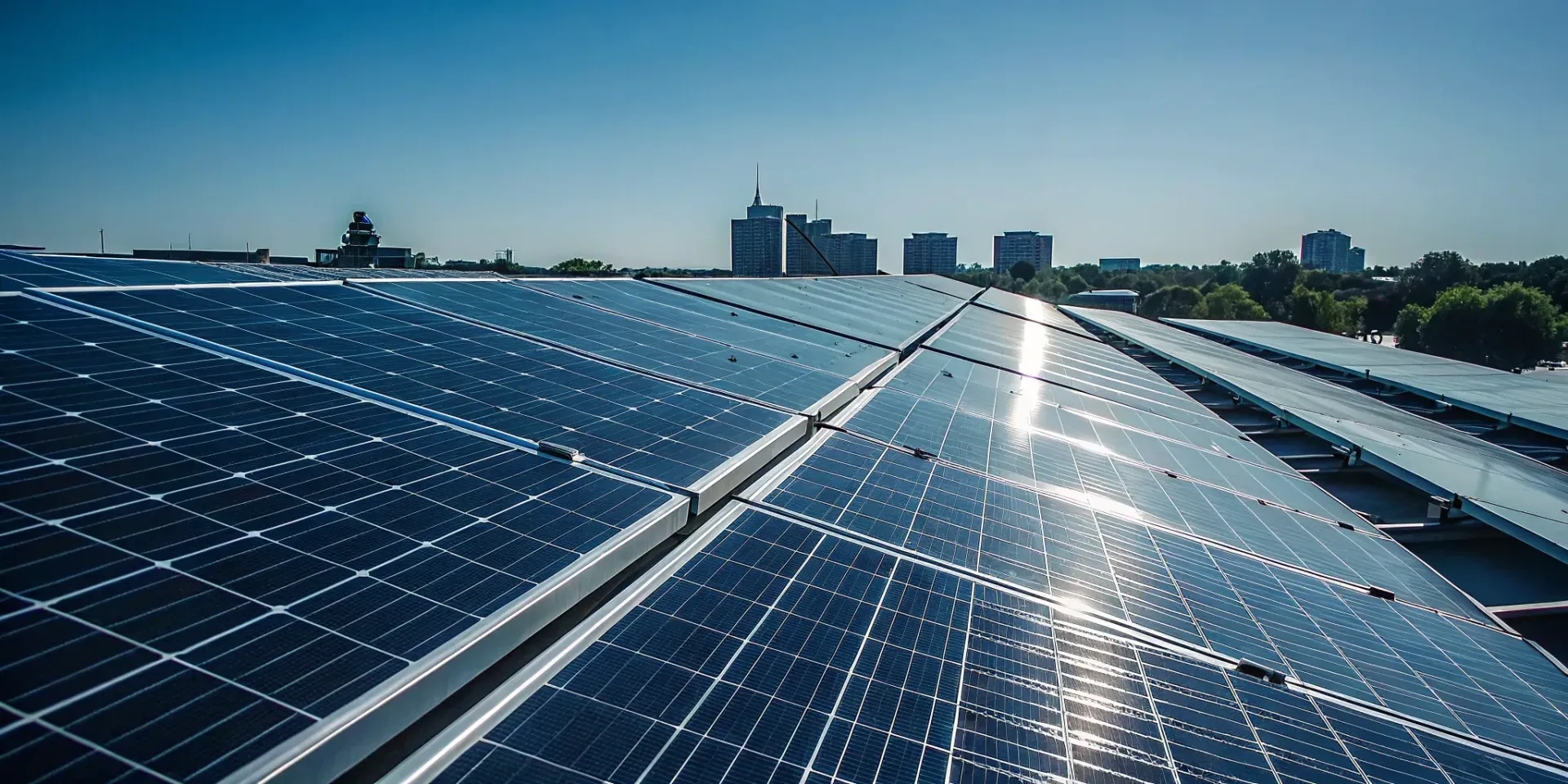
Think of your solar panels like windows for sunlight. When they’re clean, the maximum amount of light gets through. But when dirt, dust, leaves, or bird droppings accumulate on the surface, they block that sunlight and make your panels produce less electricity. Here in Kansas, that can mean a layer of dust from a dry spell or pollen in the spring. Even a thin, seemingly harmless film of grime can reduce your system's efficiency, preventing you from generating all the clean energy you could be.
The Hidden Costs of Neglecting Your Panels
When your panels produce less energy, you have to pull more power from the grid, which means your electricity bill will be higher than it should be. This buildup can slowly lower your panel's efficiency over time, chipping away at the savings you expect from your solar investment. Because the change can be gradual, you might not even notice it at first. Regularly cleaning your panels helps you capture every possible ray of sun, keeping your energy bills low and ensuring your system delivers the financial benefits you signed up for.
Protect Your Warranty: Why Cleaning Is Key
Did you know that how you maintain your panels can affect your warranty? Most manufacturers provide specific guidelines for cleaning, and failing to follow them could potentially void your coverage. For example, using harsh chemicals or abrasive tools can cause permanent damage that isn't covered. Before you start cleaning, it’s always a good idea to check your warranty documents to understand the dos and don'ts. Following the rules ensures your investment remains protected for years to come, giving you total peace of mind.
How Often Should You Clean Your Solar Panels?
One of the most common questions I hear is about cleaning solar panels. The simple answer is, there’s no magic number that works for everyone. How often you need to clean your panels depends on where you live, the weather in your area, and even how your system is set up. Think of it less like a strict chore and more like checking in to make sure your investment is working its best for you. A little bit of awareness goes a long way in keeping your energy production high.
What Affects Your Cleaning Schedule?
Several factors determine how often your panels need a good wash. If you live in a dusty part of Kansas or near a busy road, you’ll likely need to clean them more frequently. The same goes for areas with a lot of pollen in the spring or pollution from nearby industrial sites. The tilt of your panels also plays a role; steeper panels tend to stay cleaner as rain can wash away debris more effectively. A good rule of thumb is to keep an eye on your energy output. If you notice a dip that you can’t explain, it might be time for a cleaning, regardless of when you last did it.
A Guide to Seasonal Cleaning in Kansas
For most homeowners in Kansas, a bi-annual cleaning schedule is a great starting point. A good plan is to clean your panels once in the late spring, after the heavy pollen season has passed, and again in the late fall to clear off any summer dust and grime before winter. This ensures your panels are ready to capture as much sunlight as possible during the longest and shortest days of the year. If your panels are on a steep or hard-to-reach roof, it’s always safest to hire a professional. We’re used to working on roofs and have the right safety gear to get the job done without any risk to you or your home.
Is Rain Enough to Clean Your Panels?
It’s tempting to think a good Kansas thunderstorm will do the cleaning for you, and to some extent, it helps. Rain can rinse away light layers of dust and loose debris, which is certainly better than nothing. However, it’s not a substitute for a real cleaning. Rainwater won’t remove stubborn, caked-on grime, bird droppings, or oily residues. Think of it like rinsing your car with a hose versus actually washing it with a sponge and soap. To get the best performance and ensure your system is running at peak efficiency, you’ll need to thoroughly clean your panels from time to time.
What Tools Do You Need to Clean Solar Panels?
Before you get started, let’s talk tools. The good news is that you don’t need a lot of fancy or expensive equipment to clean your solar panels safely. In fact, the best approach uses simple, gentle tools that you might already have. The goal is to remove dirt and grime without scratching the glass or damaging the sensitive components of your panels. Using the wrong supplies can unfortunately do more harm than good, potentially leading to costly repairs or a drop in your system's performance. Think of it like washing a car; you wouldn't use a steel wool pad, and the same principle applies here. Getting it right is all about having the correct, gentle supplies ready to go before you start.
The Right Supplies for a Safe Clean
Your solar panel cleaning kit is pretty straightforward. You’ll want a soft-bristle brush, preferably on a long extension pole to help you reach without having to stretch or lean. A standard garden hose with a spray nozzle that can produce a gentle shower is perfect for rinsing. You’ll also need a bucket to mix a simple cleaning solution, which should consist of just water and a small amount of mild, biodegradable soap. Dish soap works well. These simple tools are all you need to wash away dust, pollen, and bird droppings, helping your panels capture as much Kansas sun as possible.
What to Never Use on Your Solar Panels
Just as important as knowing what to use is knowing what to avoid. Never use abrasive sponges, scouring powders, or hard-bristled brushes, as these will scratch the surface of your panels. Also, steer clear of harsh chemicals like bleach, ammonia-based window cleaners, or strong detergents. These can damage the anti-reflective coating on the glass and degrade the seals around the panel. A pressure washer is also a definite no; the high-pressure stream can force water past the seals and into the panel itself, causing electrical damage. Using the wrong materials can not only reduce your panels' efficiency but could also void your warranty. If a cleaning job seems too tough for soap and water, it may require professional service.
How to Clean Your Solar Panels: A Step-by-Step Guide
Ready to give your solar panels a little TLC? Cleaning them is a straightforward job you can tackle yourself with the right tools and a bit of care. Following these steps will help you clean your panels safely and effectively, ensuring they continue to perform at their best for years to come. Let’s walk through the process together.
Step 1: Power Down Your System
Before a single drop of water touches your panels, your first and most important step is to power down the entire system. This is a critical safety measure to prevent any risk of electrical shock. You can typically do this by shutting off the system at your main breaker box or a dedicated AC/DC disconnect switch. If you’re unsure how to do this, check the manual provided with your installation or give a professional a call. Your safety is always the top priority when performing any kind of maintenance on your residential solar system.
Step 2: Pick the Right Time and Weather
Timing is everything. Plan to clean your panels on a cool, overcast day or during the early morning or late evening. Cleaning panels when they are hot, like in the middle of a sunny Kansas afternoon, can cause thermal shock if you spray them with cool water. This rapid temperature change can potentially damage the glass. A cool, calm day is your best bet, as it gives you time to work without the sun beating down on you or the water evaporating too quickly, which can leave behind residue.
Step 3: Start With a Gentle Rinse
Once your system is off and the weather is right, start with a simple rinse. Using a standard garden hose with a spray nozzle, gently wash the surface of the panels from the ground. This initial rinse will wash away any loose dust, leaves, and other debris that has collected on the surface. Don't be tempted to use a high-pressure washer, as the intense spray can damage the panels or force water into the seals. A gentle rinse is all you need to prep the surface for a deeper clean.
Step 4: Scrub Gently with Soap and a Soft Brush
For grime that the hose didn’t wash away, it’s time for a little soap. Mix a small amount of mild, biodegradable dish soap with a bucket of clean water. Using a soft-bristled brush or a sponge on a long extension pole, gently scrub the surface of the panels. This allows you to work safely from the ground. The key here is to be gentle; you want to avoid scratching the glass at all costs. Our team is experienced in the proper solar panel removal and handling, and we know that a soft touch is essential for protecting your investment.
Step 5: Rinse, Squeegee, and Inspect
After you’ve finished scrubbing, rinse the panels thoroughly with your hose to remove all soap residue. Any leftover soap can create a film that attracts more dirt. For a perfect, streak-free finish, use a soft rubber squeegee to wipe away the excess water. While you’re there, take a moment to visually inspect your panels for any cracks, chips, or other issues you might not have noticed before. If you see anything concerning, it’s a good idea to contact a trusted professional. As your local experts, we’re always here to help you protect your system, and you can learn more about us and our commitment to our customers.
Key Safety Tips for Cleaning Solar Panels
Cleaning your solar panels is a straightforward task, but putting safety first is non-negotiable. Your well-being and the integrity of your solar system are the top priorities. A simple cleaning job should never turn into an accident or a costly repair bill. By following a few key guidelines, you can ensure the process is safe, effective, and keeps your panels working at their best. Think of it like any other home maintenance task: having the right approach makes all the difference. We’ll cover how to stay safe physically, avoid electrical risks, and prevent accidental damage to your panels.
Work from the Ground When Possible
Your feet should stay firmly on the ground whenever you clean your solar panels. Getting on your roof is incredibly dangerous, especially when you introduce water into the mix, creating a slippery surface. A fall can lead to serious injury, and it’s a risk that simply isn’t worth taking. Instead, use a long-handled, soft-bristled brush designed for this purpose. This allows you to reach your entire array safely from below. If your panels are on a steep roof or are too high to reach from the ground, that’s a clear sign to call a professional. We have the proper safety equipment and experience to handle the job without any risk to you or your home.
How to Avoid Electrical Hazards
Before you even think about spraying your panels with water, you must completely power down your system. Solar panels are designed to generate electricity whenever they are exposed to light, even on an overcast day. Mixing water with an active electrical system is a recipe for disaster. To stay safe, locate your system’s shutdown switch, which is often a red button or lever, and turn it off. You should also turn off the corresponding circuit breaker in your home’s main electrical panel. If you’re unsure how to do this, check your system’s manual or contact your installer. We’re always here to help our customers operate their systems safely.
Common Mistakes That Can Damage Your Panels
Using the wrong tools or cleaners can cause permanent damage and reduce your system’s efficiency. Never use a pressure washer, as the high-powered stream can get under the panel’s seals and damage the sensitive solar cells inside. Similarly, avoid abrasive brushes or scouring pads that can scratch the glass, creating micro-shadows that lower your energy output. Harsh chemicals like bleach or ammonia-based window cleaners are also off-limits. They can strip the anti-reflective coating off the glass, hurting your panel’s performance. Protecting your residential solar investment means sticking to the basics: a soft brush, gentle soap, and low-pressure water.
When Is It Time to Hire a Professional?
DIY cleaning can be a great way to keep your panels in top shape, but there are times when calling in a professional is the smartest and safest move. Knowing when to hand the job over to an expert not only protects you but also ensures your solar investment is properly cared for. If you find yourself in any of the following situations, it’s a good sign that it’s time to contact a pro.
For Hard-to-Reach Panels and Steep Roofs
Your safety should always come first. If your solar panels are on a second-story or a steeply pitched roof, cleaning them yourself involves serious risks. Balancing on a ladder while handling cleaning tools is a recipe for a dangerous fall. Professionals have the right safety equipment, like harnesses and specialized ladders, to do the job securely. They are trained to work at heights and can clean your panels efficiently without putting anyone in harm’s way. If you have any doubts about safely accessing your panels, it’s always best to hire an expert team that handles solar panel removal and maintenance regularly. It’s simply not worth risking an injury.
After a Major Kansas Storm
Kansas weather can be unpredictable and intense. After a big storm with high winds, hail, or heavy snow, it’s wise to call for a professional inspection. While you might be able to see obvious debris, a trained technician can spot subtle damage that isn't visible from the ground. They’ll check for things like microcracks, loose mounting hardware, or water intrusion that could compromise your system’s performance and safety over time. A post-storm professional checkup is more than a cleaning; it’s a crucial assessment to ensure optimal performance and catch small problems before they become big, expensive ones.
Signs You Need More Than a Simple Cleaning
Have you noticed a significant drop in your energy production that a simple rinse didn’t fix? If your solar output has fallen off a cliff, it might be a sign of an issue that goes beyond a layer of dust. While dirt is a common cause of reduced efficiency, a major dip could point to electrical problems, inverter malfunctions, or damaged cells. A professional can run diagnostics to get to the root of the problem. Instead of just guessing, they can accurately identify what’s wrong and get your residential solar system back to producing the power you expect.
Check Your Warranty for Maintenance Rules
Before you attempt any DIY maintenance, take a moment to review your solar panel warranty. Some manufacturers have specific guidelines for cleaning and maintenance, and failing to follow them could potentially void your coverage. Using unapproved cleaning solutions or abrasive tools can cause damage that isn’t covered. Hiring a certified professional ensures the work is done according to industry standards, keeping your warranty intact. A reputable company will understand these requirements and use the proper techniques to protect your investment. When you work with an established team, you can feel confident your system is in good hands.
Solar Panel Cleaning Myths, Busted
When it comes to taking care of your solar panels, there's a lot of advice floating around. Some of it is helpful, but some of it can do more harm than good. Let's clear the air and tackle some of the most common myths about solar panel cleaning. Knowing the facts will help you protect your investment and keep your system producing clean energy for years to come.
Myth: Harsh Chemicals Clean Better
It’s tempting to grab a heavy-duty cleaner or a pressure washer to blast away grime, but this is one of the worst things you can do. Harsh chemicals, detergents, and abrasive sponges can permanently damage the anti-reflective coating on your panels. This special coating is designed to maximize sunlight absorption, and scratching it away will reduce your system's efficiency. Even worse, using these aggressive cleaning methods can void your panel warranties. The best approach is always the gentlest one; a little soap and water is usually all you need to keep your residential solar system in top shape.
Myth: Rain Is Nature's Squeegee
While a good Kansas rainstorm can certainly wash away a light layer of dust, it’s not a substitute for a proper cleaning. Rainwater alone often isn't enough to remove stuck-on debris like bird droppings, pollen, or the film of grime that can build up over time. In some cases, rain can even make things worse by mixing with dirt to create a muddy residue that dries on the panel's surface. Think of it like your car’s windshield; a rain shower helps, but it doesn’t get it truly clean. To ensure your panels are performing at their peak, they still need an occasional, more thorough wash.
Myth: If They Look Clean, They Are Clean
Solar panels can lose efficiency long before the dirt is obvious to the naked eye. A thin, even layer of dust, pollen, or soot can be nearly invisible from the ground but can still block a surprising amount of sunlight. Even small obstructions like a few bird droppings or leaves can create "hot spots" that reduce the output of the entire panel. The only real way to know if your panels are clean enough is to monitor their energy production. If you notice a dip in performance that isn't related to cloudy weather, it’s likely time for a cleaning, regardless of how they look.
How to Check Your Panel Performance Post-Clean
You’ve done the work, and your panels are sparkling. Now for the satisfying part: seeing the results. Checking your system’s performance after a good clean isn’t just about confirming you did a good job; it’s a crucial step in regular maintenance. By keeping an eye on your energy production, you can make sure your system is running at its peak and catch any potential issues before they become bigger problems. Think of it as a regular health check-up for your solar investment, ensuring you get the most out of your residential solar system for years to come.
How to Spot a Drop in Energy Production
Your solar monitoring app is your best friend here. After cleaning, you should see a noticeable increase in energy production. If you don't, or if you notice your output suddenly drops, it’s time to investigate. A significant dip in your solar power output could signal a few different things. It might be a broken inverter, which can sometimes shut down a whole section of your system. Pests, like birds building nests or rodents chewing on wires, can also cause trouble. While panels are built tough, severe weather can sometimes cause hidden damage. Getting into the habit of checking your numbers weekly helps you create a baseline, making it easy to spot when something is off.
When to Call Barkley Solar for an Inspection
While you can handle routine checks, some situations call for a professional eye. If you’ve noticed that drop in energy production and can’t figure out why, it’s time to give us a call. We also recommend a professional inspection after a major Kansas storm, just to be safe. According to experts, you should also consider a professional cleaning and inspection once a year if you live in a particularly dusty area. For general safety and long-term care, a full system check-up every 5 to 10 years is a great idea. If you need a hand with a tricky diagnosis or require a professional panel service, our team is here to help keep your system safe and efficient.
Related Articles
- Residential Solar Maintenance in Wichita, KS | Barkley
- Wichita's #1 Home for Solar Power | Barkley Solar
- Commercial Solar Maintenance in Wichita, KS | Barkley
- Solar Installation in Wichita, KS | Barkley
- KS Solar Power FAQs | Barkley Solar
Frequently Asked Questions
How much does a little dirt actually affect my solar panel output? Even a thin layer of dust or pollen that you can barely see can make a difference. Think of it like a dusty window; less light gets through. Over time, this buildup prevents your panels from absorbing the maximum amount of sunlight, which means they produce less electricity. This gradual drop in efficiency can lead to you pulling more power from the grid and seeing higher electricity bills than you should.
Is it really necessary to shut down my system before cleaning? Yes, absolutely. This is the most important safety step, and it's not one you should ever skip. Your solar panels generate electricity whenever they are exposed to light, not just bright sun. Introducing water to a live electrical system is extremely dangerous and creates a serious risk of shock. Always power down your entire system according to the manufacturer's instructions before you begin.
What's the biggest mistake people make when cleaning their own panels? The most common and damaging mistake is using a pressure washer. The high-pressure stream can force water underneath the panel's protective seals, causing electrical damage that can be very expensive to fix. Another frequent error is using harsh chemicals or abrasive sponges. These can scratch the glass or strip away the anti-reflective coating, permanently reducing your system's performance.
My roof is pretty steep. What's the safest way for me to clean my panels? The safest way is to hire a professional. If you cannot easily and safely reach your panels from the ground with a long-handled brush, you should not attempt to clean them yourself. Getting on a steep roof, especially one that will become wet and slippery, is incredibly risky. Professionals have the training, safety harnesses, and proper equipment to do the job without risking injury.
How do I know if a drop in energy production is from dirt or a bigger problem? A great first step is to give your panels a proper cleaning. After you clean them, check your monitoring app to see if your energy production bounces back to its normal levels. If it does, the issue was likely just grime. If your output stays low even after a thorough cleaning, it could point to a more complex issue like an inverter malfunction or a wiring problem, which is a clear sign to call a professional for an inspection.