Agricultural Solar Panel Installation: A Farmer's Guide
What if you could get two harvests from the same field? It sounds futuristic, but it’s happening on farms today through a practice called agrivoltaics. This innovative approach allows you to generate clean solar energy and grow crops or graze livestock on the same piece of land. The idea that you have to sacrifice productive acreage is one of the biggest myths about farm solar. In reality, a well-designed agricultural solar panel installation can work in harmony with your operations, providing shade that reduces water needs and protects certain crops, all while powering your farm. It’s about making your land work smarter, not harder.
Key Takeaways
- Focus on the financial return of your solar investment: Solar directly cuts your farm's highest operational costs, and powerful incentives like the 30% federal tax credit and USDA grants can significantly lower the upfront price. This allows the system to pay for itself, often in under 10 years, and generate profit for decades.
- Integrate solar without losing valuable farmland: You have several practical options for placing panels. Use the roofs of your existing barns and sheds for a zero-footprint solution, or adopt agrivoltaics to grow crops and graze livestock on the same land as your ground-mounted system.
- Secure your farm's future with energy independence: Generating your own electricity protects you from rising utility costs and provides reliable power for critical equipment. A solar system is a long-term asset that adds property value and builds a sustainable legacy for the next generation.
What is Agricultural Solar?
At its core, agricultural solar is about using solar panels on your farm to generate your own electricity. It’s a straightforward way for farmers to take control of one of their biggest and most unpredictable operational costs: their power bill. Modern farms depend on a steady supply of electricity for everything from irrigation pumps and barn lighting to grain dryers and workshop tools. These costs add up quickly and can eat into your profits. By installing a solar energy system, you can significantly reduce or even eliminate your monthly bill from the utility company, freeing up capital for other parts of your business.
This isn’t just about saving money, though. It's about creating a stable, independent power source right on your property. Instead of relying entirely on the grid and its fluctuating rates, you're harnessing the sun to power your daily operations. This makes your farm more resilient and self-sufficient, protecting you from power outages that can disrupt critical tasks. Agricultural solar can be designed to fit the specific needs of your land and business, whether that means placing panels on the roofs of your barns or integrating them directly into your fields. It’s a practical investment that supports the long-term sustainability and financial health of your farm, and our team specializes in creating these custom commercial solar solutions for Kansas farms.
How Agrivoltaics Works
Agrivoltaics is an innovative approach that lets you use the same plot of land for two purposes: farming and generating solar energy. Think of it as harvesting the sun twice. Solar panels are installed in a way that allows crops to grow or livestock to graze underneath or between them. This dual-use model is incredibly efficient because the land best suited for farming, with its wide-open access to sunlight, is also perfect for solar panels.
The benefits go both ways. The panels produce clean electricity for your farm, and in return, they can create a more favorable microclimate for what's growing below. The shade from the panels can protect plants from harsh sun, reduce evaporation, and lower water needs. In fact, the Department of Energy notes that this can improve water efficiency and even enhance the growth of certain crops.
Types of Agricultural Solar Installations
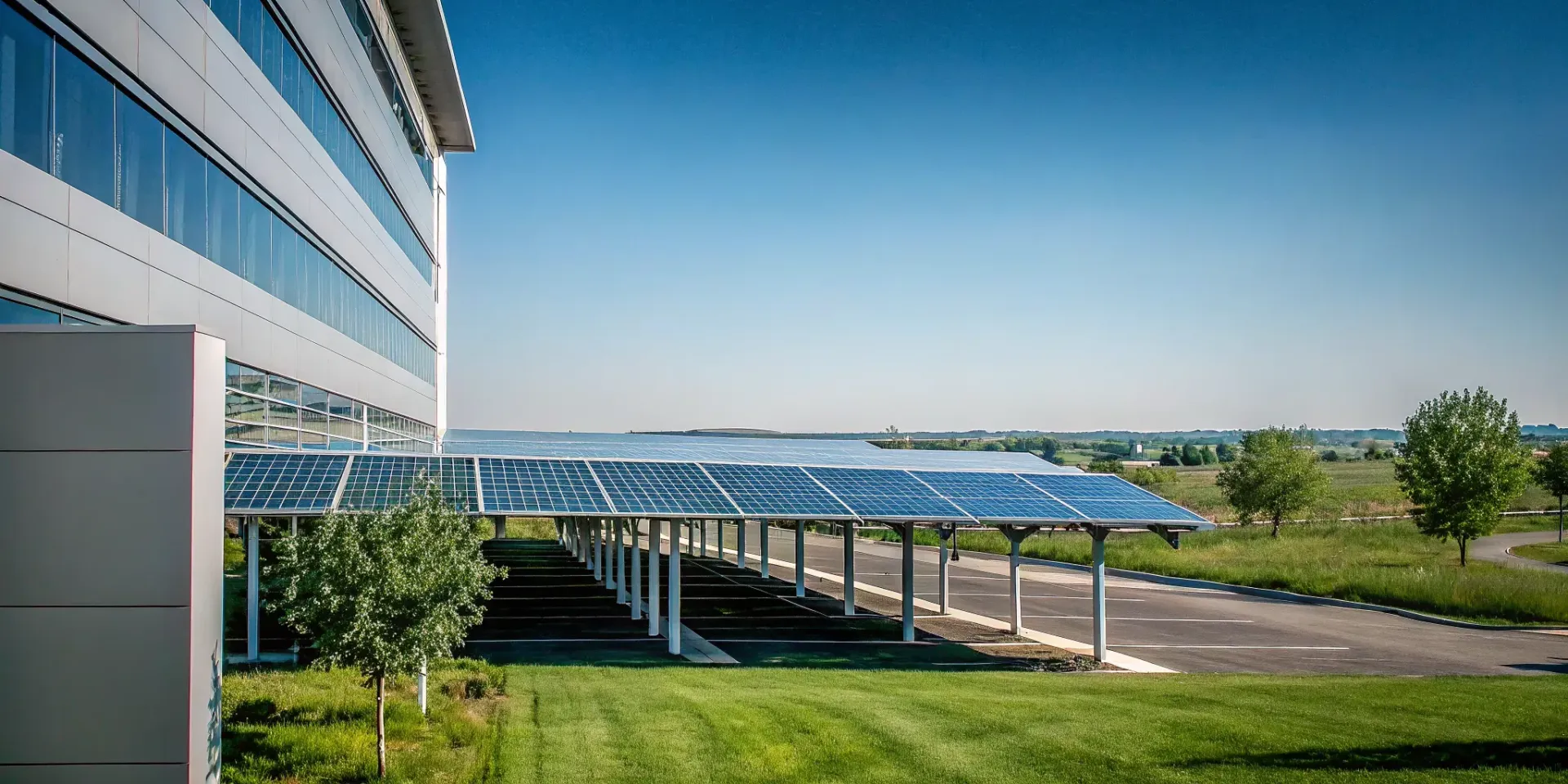
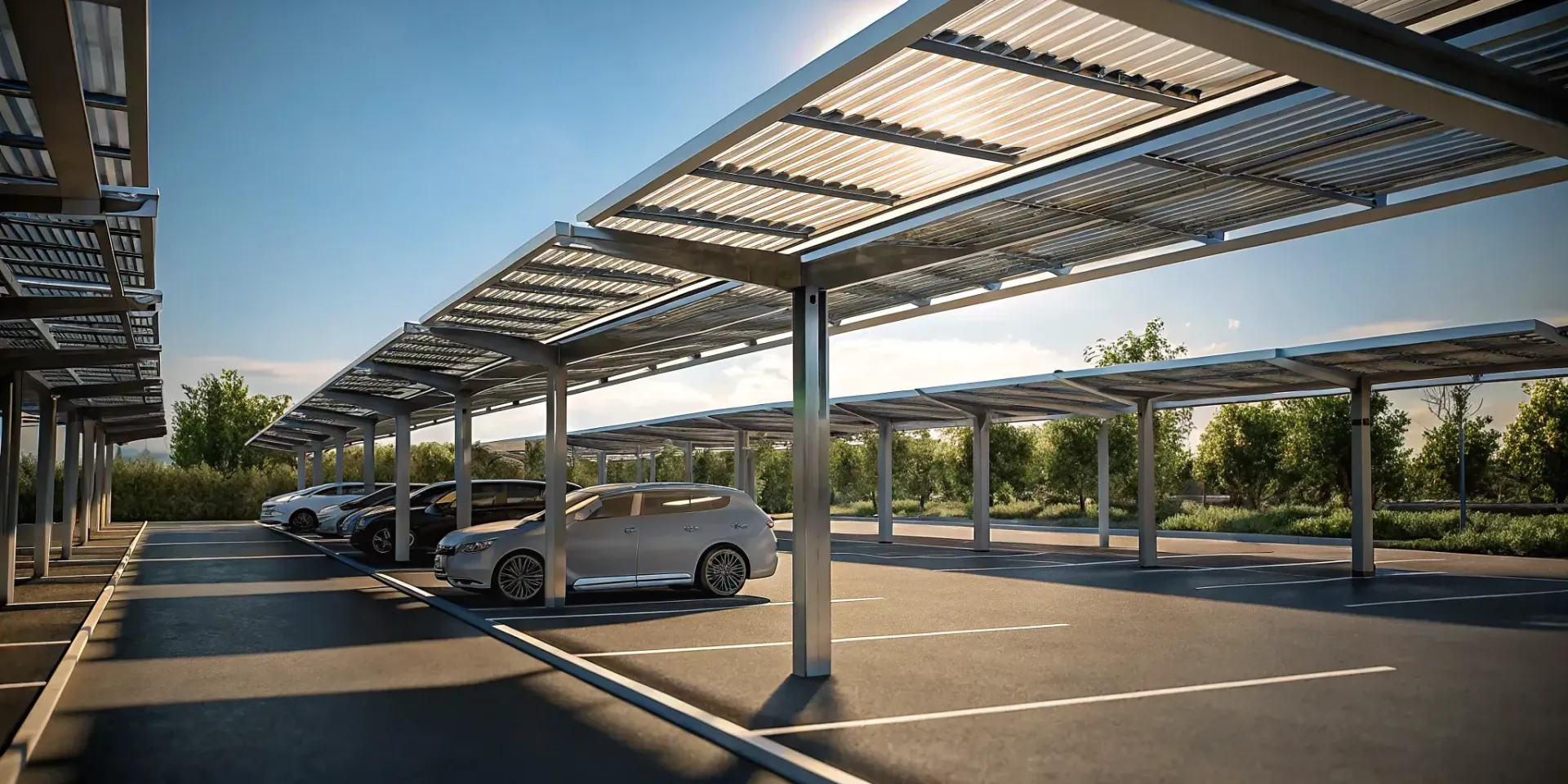
When you add solar to your farm, you have a few options for where to put the panels. The most common approach for agrivoltaics is a ground-mounted system. These can be customized to your operations. For example, panels can be elevated high enough for tractors to pass underneath, though this requires more structural support and can increase the initial cost. Another option is to space the panels farther apart, allowing more sunlight to reach crops and creating clear pathways for machinery.
To give you an idea of the land required, a 100-kilowatt (kW) system, which can often offset a monthly electric bill of around $1,200, typically needs about 0.2 acres. You can also install panels on the roofs of barns and sheds, which is a great way to use existing structures without taking up farmland. We can help you figure out the best setup for your specific needs, whether it's a ground-mounted or rooftop solar system.
How Solar Panels Benefit Your Farm
Installing solar panels on your farm is more than just a modern upgrade; it’s a strategic business decision with long-term financial and operational rewards. From cutting down your highest operating costs to securing your farm’s energy future, solar power offers practical advantages that can strengthen your bottom line. By generating your own clean electricity on-site, you can create a more resilient, profitable, and sustainable operation for years to come. Let's walk through some of the biggest benefits you can expect when you make the switch.
Lower Your Farm's Energy Costs
Energy is one of the biggest expenses on any farm. Running irrigation pumps, ventilation fans, milking equipment, and grain dryers adds up quickly. Solar panels generate free electricity from the sun, directly cutting into these high operational costs. A properly designed commercial solar system can significantly reduce or even eliminate your monthly utility bill. After the initial investment, which often pays for itself in just a few years, your system will continue to produce free, clean power for 25 to 30 years or more. This creates predictable, low energy costs, giving you more financial stability and freeing up capital to reinvest in other areas of your farm.
Earn Extra Income with Net Metering
What happens when your panels produce more electricity than your farm needs, like on long, sunny summer days? With a policy called net metering, you don’t lose that value. Instead, the excess energy is sent back to the utility grid, and your power company gives you credits on your bill. You can then use these credits to cover your electricity costs at night or during cloudy weather when your system isn't producing as much. This arrangement helps you get the most financial benefit from your solar investment and can even result in a credit balance with the utility. Our team can help you understand the specific net metering policies in your area and explore your financing options.
Achieve Energy Independence
Utility electricity prices are unpredictable and tend to rise over time, making it difficult to budget for the future. When you generate your own power with solar, you protect your farm from these fluctuating costs. You become your own power producer, creating a stable and predictable source of energy right on your property. This energy independence gives you more control over your farm’s operational expenses and makes your business more resilient. By locking in your energy costs, you can plan for the long term with greater confidence. We are a local Kansas company committed to helping our neighbors, and you can learn more about our mission to empower communities with clean energy.
Improve Your Farm's Sustainability
As a farmer, you are a steward of the land. Integrating solar power is a powerful way to deepen that commitment by reducing your farm’s environmental impact. Solar panels produce clean energy without any carbon emissions, which helps improve air quality and fight climate change. By adopting solar, you are demonstrating a forward-thinking approach to agriculture that aligns with growing consumer demand for sustainably produced goods. A commercial solar installation not only benefits your business but also contributes to a healthier planet, preserving your land and resources for future generations. It’s a legacy of sustainability you can be proud of.
Increase Your Property Value
A solar energy system is a significant upgrade that can increase your farm's market value. It’s an attractive feature for potential buyers, as it promises lower energy bills and energy independence from day one. This added value protects your investment and provides a financial return if you ever decide to sell. More importantly, for family farms, it’s an asset you can pass down to the next generation, giving them a head start with a more profitable and sustainable operation. Investing in solar is not just about saving money today; it’s about building a more valuable and resilient legacy for your farm's future.
What Does Farm Solar Cost?
Thinking about the price tag is often the first step, and the cost of a farm solar installation can vary quite a bit. The final price depends on your farm’s energy needs, the size of the system you choose, and the type of installation. For a clearer picture, consider that a 100-kilowatt (kW) system, which is a common size for agricultural operations, might have an initial cost of around $238,600. However, that number doesn't tell the whole story.
After you factor in federal tax credits and other incentives, that same system's cost could drop to about $114,147. That’s a significant reduction that makes solar a much more attainable investment for many farms. The key is to remember that the upfront cost is just one part of the equation. We work with farmers to find the right system for their budget and explore all available financing options to make the transition to solar smooth and affordable. The following factors will give you a better idea of what goes into the total cost.
What Affects Installation Costs?
Several key factors determine the final cost of your agricultural solar project. The most obvious is the system's size; the more energy you need to generate, the more panels you'll need, which increases the price. The location of the installation also plays a big role. Panels can be installed on existing building roofs, like barns, which saves you from using valuable farmland.
Another critical factor is your farm's proximity to the grid. Being close to existing power lines and substations can save you a lot of money. If your chosen site is far from a connection point, the cost to trench and run lines can add up quickly. Finally, the condition of your site matters. We’ll assess if land needs to be cleared or if a roof needs reinforcement before panels can be installed. Our team helps you evaluate these variables to create a clear and accurate plan for your commercial solar project.
Rooftop vs. Ground-Mounted Systems
You have two main options for placing your solar panels: on a roof or on the ground. Many Kansas farms have large barns, sheds, and other outbuildings with plenty of unused roof space, making them perfect for a rooftop solar installation. The biggest advantage here is that you don't have to sacrifice any land that could be used for crops or grazing. It’s an efficient way to use a surface that’s already there.
If you don’t have suitable roof space, a ground-mounted system is an excellent alternative. These systems are installed on open land and can be built to any size. Worried about losing productive land? It might take less space than you think. For example, a 100 kW system large enough to offset a $1,200 monthly electric bill typically requires only about 0.2 acres. Plus, ground-mounted panels can be integrated with grazing or shade-tolerant crops, allowing you to use the same piece of land for multiple purposes.
ROI and Payback Timelines
A solar installation is an investment in your farm's future, and it’s one that pays for itself over time. While the initial cost for a farm solar system can range from $60,000 to over $500,000 after incentives, the return on investment is substantial. Once the system is paid off, you get to enjoy free electricity for the life of the panels, which is often 25 to 30 years or more.
Most larger agricultural solar systems pay for themselves in under 10 years through energy savings alone. For many farmers, this means a decade of predictable energy costs followed by two decades of pure profit from the energy generated. By eliminating or drastically reducing your electricity bill, you free up capital that can be reinvested into other areas of your operation. As your long-term energy partner, our team is here to help you calculate the specific payback timeline for your farm.
Find Funding and Incentives for Your Farm
The initial cost of a solar installation can seem like a big hurdle, but many programs are designed to make it much more manageable for farmers. Think of these incentives as a financial toolkit to help you transition to clean energy. From federal tax credits to local grants, these programs can significantly reduce your upfront investment and shorten your payback period. By combining a few of these options, you can build a powerful financial case for bringing solar to your farm. Let's walk through some of the most impactful programs available.
Federal Investment Tax Credit (ITC)
One of the most valuable incentives is the Federal Investment Tax Credit, often called the ITC. This program allows you to claim a tax credit for 30% of your solar system's total cost. A tax credit is a dollar-for-dollar reduction of the income tax you owe, which makes it much more powerful than a simple deduction. For example, a $10,000 tax credit cuts your tax bill by $10,000. This federal incentive directly lowers the net cost of your commercial solar installation, making your investment in energy independence significantly more affordable from day one. It’s a straightforward way the government supports your move to renewable energy.
Evergy Net Metering and Kansas Agricultural Solar Incentives
Kansas farmers benefit from Evergy's 1:1 net metering program, which credits excess solar generation back to your electricity bill at the full retail rate. Combined with the 30% federal Investment Tax Credit (ITC) and MACRS 5-year accelerated depreciation, most agricultural solar systems pay for themselves in 7–10 years and generate free power for 15+ years after that. Barkley Solar works with commercial and agricultural clients across the greater Wichita 50-mile radius to model your specific ROI based on actual Evergy bills and usage data.
Bonus Depreciation
As a business, your farm can take advantage of powerful tax deductions, and bonus depreciation is a game-changer for a solar investment. This tax incentive allows you to deduct 100% of the cost of your solar system from your federal taxes in the very first year it’s put into service. Normally, you would have to spread this deduction over several years. By taking the full deduction upfront, you can substantially lower your taxable income for that year, which can result in a major improvement to your cash flow. It’s another financial tool that makes the numbers work in favor of going solar sooner rather than later.
State and Local Incentives
On top of federal programs, don't forget to look for incentives at the state and local levels. Many states, including Kansas, and even local utility companies offer their own grants, rebates, or tax credits to encourage solar adoption. These programs can vary quite a bit from one place to another, so it’s worth doing some homework to see what’s available in your specific area. A local solar installer is your best resource here, as they will be experts on the regional incentives that can be stacked with federal programs to maximize your savings. They can help you find every available dollar to put toward your project.
Explore Financing and Power Purchase Agreements (PPAs)
Even with incentives, the upfront cost can be a challenge. That’s where financing comes in. Options like Property-Assessed Clean Energy (PACE) allow you to finance your solar installation and pay it back over time through your property tax bill. Another popular route is a Power Purchase Agreement (PPA), where a developer installs a solar system on your property with little to no upfront cost, and you simply agree to buy the power it produces at a fixed rate. We believe everyone deserves access to clean energy, which is why we offer a range of flexible financing options to fit your farm’s budget and goals.
How to Integrate Solar on Your Farm
Bringing solar to your farm doesn't mean you have to sacrifice productive land. In fact, some of the most effective solar strategies work directly with your existing operations. By thinking creatively, you can add clean energy generation while maintaining or even improving your agricultural output. Let's look at a few practical ways you can integrate solar panels into your farm's layout and daily workflow.
Install Solar on Barns and Buildings
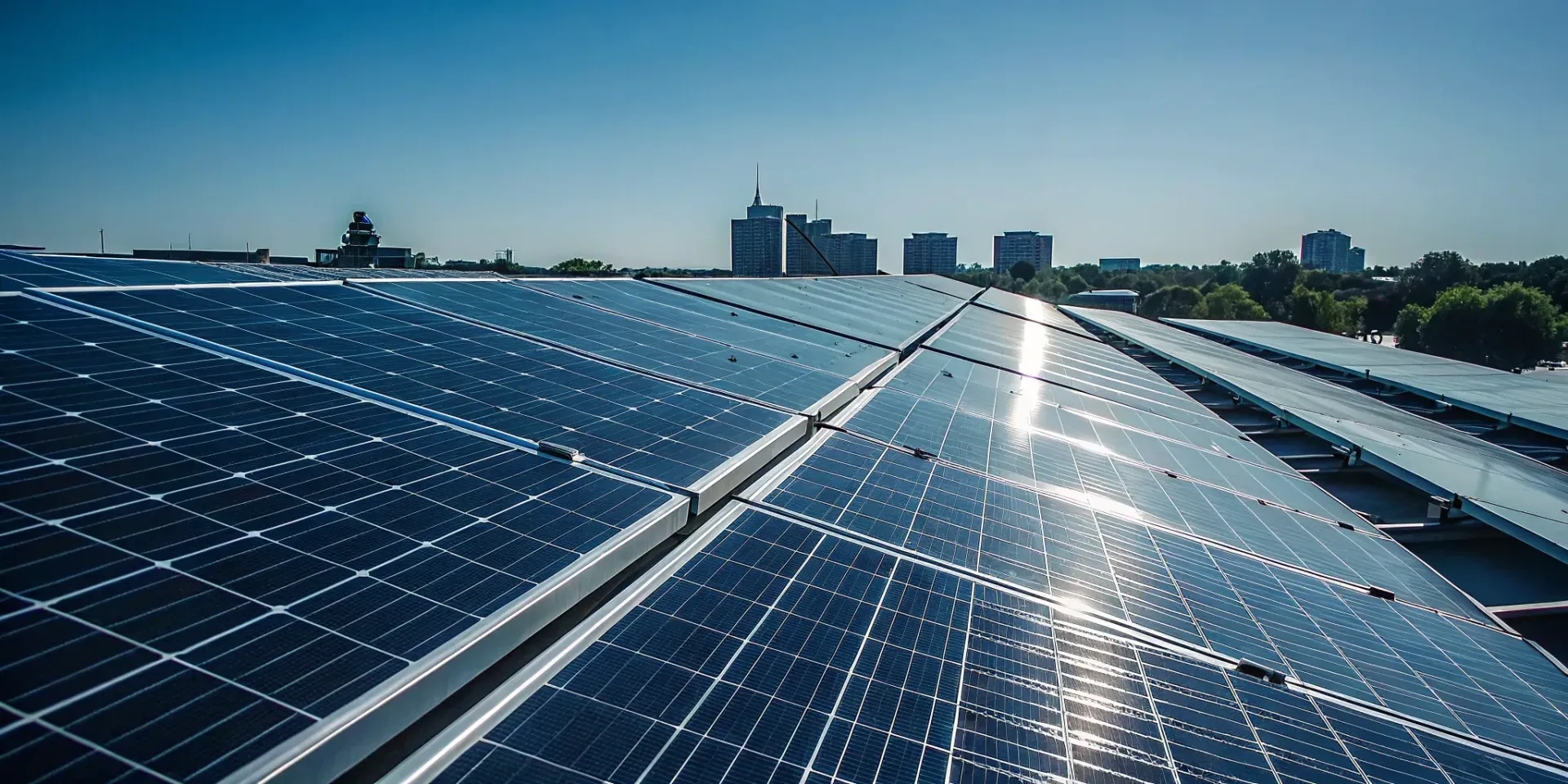
One of the most straightforward ways to add solar is to use the buildings you already have. Your barns, workshops, and storage sheds often have large, sturdy roofs that are perfect for mounting solar panels. Installing panels on building roofs uses no extra land, leaving your valuable fields free for cultivation or grazing. This approach turns underutilized space into a power-generating asset that works for you around the clock.
Before installation, our team will conduct a thorough assessment to make sure your roof structure can safely support the system. We handle everything from design to installation, ensuring your commercial solar project is built to last. By using existing infrastructure, you can start producing your own clean energy quickly and efficiently, without disrupting your farm's layout.
Power Your Irrigation and Water Pumps
Energy for irrigation and water systems is a major operational cost for many Kansas farms. Solar offers a powerful solution. As one industry guide notes, solar is an excellent fit for farms because it can "power irrigation for crops, provide water for livestock, and help with other water needs." Imagine running your pumps during the sunniest parts of the day using energy you generated for free, significantly cutting your utility bills.
This strategy also gives you more control over your essential operations. A solar-powered water pump isn't dependent on the grid, providing a reliable water source for your crops and animals even if there's a power outage. It’s a practical step toward energy independence that directly supports your farm’s productivity and resilience.
Combine Solar with Livestock Grazing
If you’re considering a ground-mounted system, you don’t have to choose between solar panels and pasture. You can have both through a practice called solar grazing. This involves raising livestock, typically sheep, on the same land as your solar array. The panels provide welcome shade for the animals, reducing heat stress during hot summer days. In turn, the sheep act as natural lawnmowers, keeping the vegetation under the panels trimmed and reducing your maintenance costs.
This symbiotic relationship does more than just save you time and money. Research from the Department of Energy shows that grazing sheep under panels can even increase healthy carbon in the soil. Sheep are the preferred animal for this practice because they are the perfect height to graze under most solar panels without damaging the equipment. It’s a smart, sustainable way to get double the value from your land.
Plant Crops Under Your Panels
Another innovative dual-use strategy is known as agrivoltaics. The U.S. Department of Energy defines agrivoltaics as "using the same land for both farming... and producing solar energy with solar panels." Instead of leaving the ground under your panels bare, you can cultivate shade-tolerant crops. The panels create a unique microclimate, shielding plants from intense sun and reducing water evaporation from the soil. This can be especially beneficial for leafy greens like lettuce and kale, as well as certain herbs and root vegetables.
To make this work, the solar array is typically designed with higher-than-normal clearance and wider spacing between rows to allow sunlight to reach the crops and to accommodate farm machinery. This approach can lead to more efficient land use and, in some cases, even improve crop yields. The Farmer's Guide to Going Solar offers great insights into how you can make agrivoltaics work for you.
Will Solar Affect Your Crop Production?
It’s a fair question. Your land is your most valuable asset, and the idea of covering it with solar panels can seem counterintuitive. But what if you could get two harvests from the same field: one of crops and one of solar energy? This is the idea behind agrivoltaics, a practice that pairs agriculture with solar power generation. By installing solar panels over your crops, you can create a system where both can thrive.
The land that’s best for farming, which is typically flat and open, is also perfect for solar installations. Instead of competing, the two can work together. The panels provide valuable shade, which can protect certain crops from the harsh sun, reduce heat stress, and create a more stable growing environment. This dual-use approach means you don’t have to choose between producing food and producing energy; you can do both and make your land more productive than ever. Our team at Barkley Solar can help you design a commercial solar system that works in harmony with your agricultural operations.
Choose the Right Crops for Shade
The shade from solar panels isn't a bug; it's a feature. While some sun-loving crops might not be the best fit, many others flourish with a bit of protection from the intense afternoon sun. This partial shade creates a unique microclimate that can be a game-changer for your farm. Research from the Department of Energy shows that shade-tolerant crops, like lettuce, kale, and other leafy greens, can grow just as well, if not better, under solar panels. This can even extend your growing season, allowing you to get more harvests in a single year. By choosing the right crops, you can turn your solar array into a tool for better, more efficient farming.
Improve Soil Health and Water Retention
The benefits of agrivoltaics go deeper than just shade. The microclimate created by the panels has a significant impact on your soil and water usage. The ground beneath the panels stays cooler during the day and retains warmth at night, creating a more stable environment for root systems. This stability, combined with reduced evaporation from the shade, can lead to incredible water savings, with studies showing a reduction in water use by as much as 14% to 50%. In some cases, crops grown in this environment may even grow up to 20% better. Furthermore, integrating livestock like grazing sheep can improve the carbon content in the soil, leading to better long-term soil health.
Common Myths About Farm Solar
When you’re considering a big change for your farm, it’s natural to have questions. Solar energy is a powerful tool, but there’s a lot of information out there, and not all of it is accurate. Let's clear up some of the most common myths I hear from farmers about going solar. Getting the facts straight can help you see if a solar installation is the right move for your agricultural business.
Myth: "Solar panels will take up all my usable farmland."
This is a big concern for farmers, and it’s completely valid. Your land is your livelihood. The good news is that you have options that don’t require sacrificing productive acreage. We can install solar panels on the roofs of your barns, sheds, and other buildings, which uses no extra land at all. If a ground-mounted system makes more sense, it often requires less space than you might think. For example, a system large enough to offset a $1,200 monthly electric bill takes up only about 0.2 acres. Plus, this land can be used for agrivoltaics, a practice where you can grow shade-tolerant crops or graze smaller livestock like sheep or chickens right under the panels.
Myth: "The upfront cost is too high."
There’s no denying that a solar system is a significant investment. But thinking of it only as a cost is missing the bigger picture. It’s more like prepaying for your electricity for the next several years to get decades of power at a fixed, low rate. Plus, generous incentives can dramatically reduce the initial price tag. Federal tax credits and USDA grants are specifically designed to make commercial solar more accessible for farms. When you factor in these savings and explore our flexible financing options, the numbers often look much more manageable. You’re not just buying equipment; you’re investing in long-term financial stability for your farm.
Myth: "Solar panels need constant maintenance."
As a farmer, the last thing you need is another piece of equipment that requires constant attention. Luckily, solar panel systems are designed to be incredibly durable and largely self-sufficient. They have no moving parts, so wear and tear is minimal. Here in Kansas, regular rainfall is usually enough to wash away any dust or debris that might accumulate on the panels. When you work with a reputable installer, your system and the installation work are covered by warranties. We stand by our expert craftsmanship and use only high-quality products, so you can feel confident your system will operate smoothly for years to come.
Myth: "Grid-tied solar works during an outage."
This is a common and important point of confusion. For safety reasons, a standard grid-tied solar system will automatically shut down during a power outage. This prevents your system from sending electricity back to the grid while utility workers are trying to fix the lines. However, if having power during an outage is a priority for your farm’s operations, you can absolutely achieve that. By pairing your solar panels with a battery storage system or a backup generator, you can create a system that provides uninterrupted power. This gives you true energy independence, keeping your critical systems running no matter what’s happening with the grid.
Plan for Your Farm Solar Installation
Once you’ve decided that solar is a good fit for your farm, the next step is planning the installation. A little bit of prep work goes a long way in making sure your project runs smoothly from start to finish. Thinking through these key details ahead of time will help you avoid surprises and set your farm up for decades of clean energy production. Here’s what you need to consider.
Understand Local Zoning and Permits
Before you break ground, it’s important to get familiar with your local regulations. Every county and municipality has its own rules for land use, and some may have specific requirements or even restrictions on solar projects. You’ll need to secure the right permits to ensure your installation is fully compliant. This might sound like a lot of paperwork, but it’s a standard part of the process that protects your investment. Working with an experienced local installer is a huge help here, as they will be familiar with the regional requirements and can manage the permitting process for you.
Meet Grid Interconnection Requirements
Your farm’s connection to the electrical grid is another key piece of the puzzle. For your system to send excess power back to the utility (and earn you credits), it needs to be interconnected. The cost of this connection can vary quite a bit depending on how close your property is to existing power lines and substations. If your planned solar array is far from this infrastructure, the cost to run new lines can be significant. That’s why a professional site assessment is so important. We can evaluate your location and map out the most cost-effective way to connect your system, giving you a clear picture of the total project cost upfront.
Factor in Insurance and Land Use
Finally, let’s talk about your land itself. If you lease your farmland, you’ll want to review your agreement to make sure you have permission to install a solar energy system. It’s also a good idea to chat with your insurance provider to understand how a solar installation might affect your policy. You’ll also need to decide where the panels will go. Installing them on barn or shed roofs is a great way to use existing space without taking up valuable acreage. If you opt for a ground-mounted system, you’ll need to set aside land for the panels. This can be a great use for less-productive parts of your property and can even be combined with grazing or shade-tolerant crops.
Is Solar Right for Your Farm?
Deciding to go solar is a big step, and the right answer really depends on your unique agricultural operation. To figure out if it’s a good fit, let’s walk through a few key questions. First, think about your energy bills. If you run equipment like milking machines, ventilation fans, or grain dryers, you know how quickly those costs add up. Solar panels generate electricity right on your property, which can dramatically reduce those expenses. For many farms, especially dairy operations with high energy demands, a solar system can pay for itself in just a few years and then continue producing power for decades.
Next, consider your available space. One of the biggest questions for farmers is about land use. The great news is that you have options. Installing panels on barn or shed roofs is a fantastic way to use existing structures without taking up any productive land. If you do have open space, a ground-mounted system is also an option. This is where the exciting field of agrivoltaics comes in. This approach involves installing panels over crops or grazing areas. It’s a win-win: you generate clean energy while the panels provide shade that can reduce water use and even help certain crops grow better.
Finally, you don't have to figure out the financial side alone. There are many programs designed to help farmers make the switch. The U.S. Department of Energy offers a helpful Farmer's Guide to Going Solar that outlines tax credits and grants. Here at Barkley Solar, we can also walk you through our flexible financing options to find a plan that works for your budget. The best way to know for sure if solar is right for your farm is to get a custom assessment of your energy needs and property.
Related Articles
- Full Efficiency Approach to Solar Power
- KS Solar Power FAQs
- Residential Solar Company in Maize, KS
- Residential Solar Installation in Maize, KS
- Expert Solar Services in Wichita, KS
Frequently Asked Questions
How much land will a solar system actually take up on my farm? This is a great question, and the answer is often less than you think. The most efficient option is to use the roofs of your existing barns and buildings, which requires no farmland at all. If a ground-mounted system is a better fit, a 100-kilowatt system can often be installed on just 0.2 acres. We can also design the system so you can still use the land for grazing sheep or growing shade-tolerant crops, which means you get both energy and agricultural production from the same plot.
What happens to my power during a grid outage if I have solar? This is an important point to understand. For safety, a standard solar system that is tied to the grid will automatically shut down during an outage. This prevents it from sending power back to the lines while utility crews are working. However, if keeping your critical operations running is a priority, we can pair your solar panels with a battery storage system. This setup gives you a reliable, independent power source that keeps the lights on even when the grid is down.
How long will it take for a farm solar system to pay for itself? The payback period depends on your farm's energy use and the size of your system, but many larger agricultural solar projects pay for themselves in under 10 years. This happens through a combination of energy savings, tax credits, and grants. After the system has paid for its initial cost, it will continue to generate free electricity for another 20 years or more, turning a monthly expense into a source of profit for your farm.
I'm interested in the grants and tax credits, but where do I even start? Navigating the financial incentives can feel overwhelming, but you don't have to do it alone. Part of our job is to help you identify and apply for every program you're eligible for, from the federal tax credit to accelerated depreciation (MACRS). We can help you understand how these programs stack together which reduces your tax bill. Our goal is to stack these incentives to make your project as affordable as possible.
Can I really grow crops or graze animals under the panels? Yes, you absolutely can. This practice, called agrivoltaics, is a smart way to get more value from your land. The panels provide shade that helps certain crops, like leafy greens, herbs, and root vegetables, thrive by protecting them from the intense sun and reducing water needs. For grazing, sheep are a perfect fit because they are short enough to move under the panels without damaging them and they keep the vegetation trimmed, which lowers your maintenance costs.