Heating a House with Solar Panels: A Full Guide
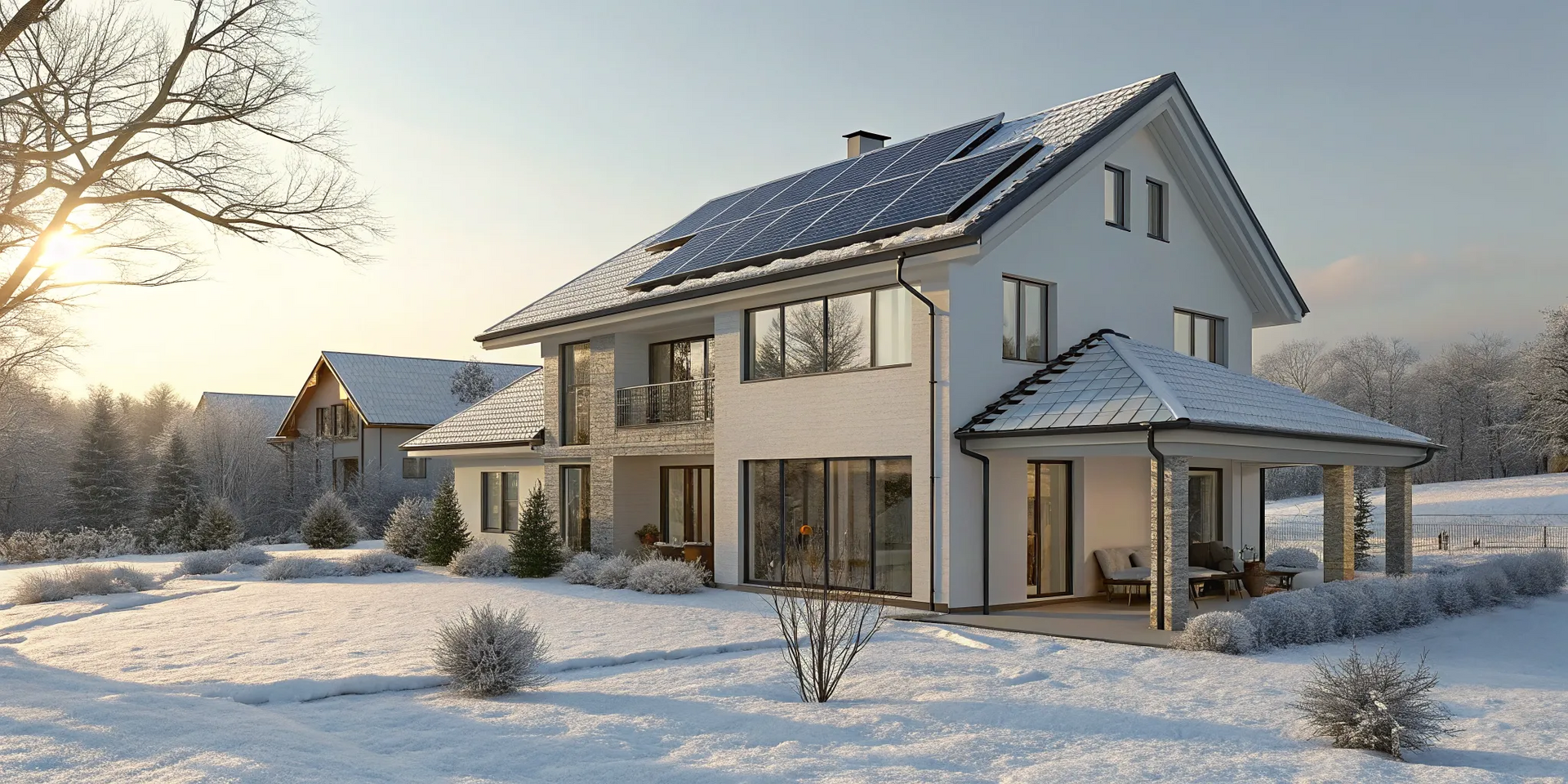
In Kansas, we get plenty of sunshine, but we also get utility bills that can skyrocket during the winter. It feels like a contradiction, but it’s actually an opportunity. What if you could use that abundant, free sunlight to fight back against high heating costs? That’s exactly what a solar heating system is designed to do. Instead of relying entirely on expensive natural gas, propane, or grid electricity, you can harness the sun’s energy to keep your home comfortable. This article explains the practical steps of heating house with solar panels, showing you how this smart investment can lead to significant long-term savings.
Key Takeaways
- Prioritize home efficiency first: Before investing in solar panels, make sure your home is well insulated and air sealed. A home that retains heat better requires less energy, allowing you to get maximum performance from a more appropriately sized solar heating system.
- Choose between direct heat or whole home power: A solar thermal system is a specialized tool that efficiently heats your water or air. In contrast, a solar PV system is a versatile power source, generating electricity for your entire home, including modern heating options like an electric heat pump.
- Plan for a hybrid solution: Solar heating is designed to work with your existing furnace or boiler, not replace it. This team approach uses free solar energy whenever possible and relies on your conventional system for backup, giving you consistent comfort and lower energy bills.
How Can Solar Panels Heat Your Home?
When you picture solar panels, you probably think of them generating electricity to power lights, appliances, and maybe an electric car. And you’re right, that’s their most common job. But what about keeping your home warm and cozy during a chilly Kansas winter? It’s a great question, and the answer is a definite yes. Solar energy can absolutely be used for home heating, and there are a couple of smart ways to do it.
Using the sun for warmth isn't a new idea, but modern technology has made it more efficient and accessible than ever. The approach you take depends on your home’s needs, your existing heating system, and your overall energy goals. The first step is understanding the two main types of solar technology that can get the job done: one that creates heat directly and another that creates electricity to power your heating systems. Both paths can lead to lower utility bills and a more comfortable, sustainable home. Let's look at how each one works so you can figure out which might be the best fit for you.
Solar Thermal vs. Solar PV Systems
The two main technologies for solar heating are solar thermal and solar photovoltaic (PV) systems. A solar thermal system is designed specifically for heating. It uses collectors, often tubes or flat panels, to absorb sunlight and heat a fluid (like water or a water-glycol mix). This hot fluid is then circulated to a storage tank or used directly to heat your home’s water or air. Think of it as a super-efficient version of a garden hose left in the sun. It’s a direct way to turn sunlight into warmth, and it can significantly reduce your water heating costs.
On the other hand, solar photovoltaic (PV) systems are what most people recognize as traditional solar panels. These systems convert sunlight directly into electricity. That electricity can then power anything in your home, including electric heating systems like furnaces, baseboard heaters, or highly efficient heat pumps. While solar thermal is a specialized tool for heat, solar PV is a versatile power source for your entire home.
Turning Sunlight into Warmth
So, how does this energy actually make your living room feel warmer? With a solar thermal system, the heated fluid moves through pipes to a heat exchanger, which warms up the water in your hot water tank or the air that your furnace blows through your vents. It’s a direct heat-transfer process.
With a solar PV system, the process is a bit different but incredibly flexible. The panels generate electricity that feeds into your home’s main electrical panel. From there, you can use that power for your electric heating system. This is a popular choice because the electricity isn't just for heat; it also runs your lights, refrigerator, and everything else. As photovoltaic technology becomes more affordable, many homeowners choose PV systems for their all-around utility, providing power for heating, cooling, and all of life's other electrical needs.
What Are Your Solar Heating Options?
When you think about using the sun to heat your home, you might picture solar panels generating electricity. While that’s one way to do it, solar heating actually covers a few different technologies. The right approach for your home depends on your goals, your budget, and even your home’s design. Understanding these options is the first step toward finding a solution that keeps you warm while lowering your energy bills.
The main methods fall into three categories: active systems that use mechanical parts to move heat, passive designs that rely on smart architecture, and dedicated systems for heating your water. Each one offers a unique way to harness the sun's power, and some can even work together to create a comprehensive heating solution for your home. Let's break down what each one means for you.
Active Solar Heating
Active solar heating systems are what most people imagine when they think of solar heat. These systems use solar collectors, typically on your roof, to absorb the sun's energy and heat up a liquid (like water or an antifreeze solution) or air. From there, pumps or fans kick in to distribute that warmth throughout your home. It’s a proactive approach that gives you a lot of control over your home’s temperature.
Think of it like a conventional furnace, but with the sun as its fuel source. The heat can be sent directly into your living spaces or moved to a storage system for later use, ensuring you have warmth even after the sun goes down. These active solar heating systems are powerful and can be designed to meet a significant portion of your home's heating needs.
Passive Solar Design
Passive solar design is a more subtle, architectural approach to heating. Instead of using mechanical equipment, it relies on the design of your home itself to capture and store the sun’s warmth. The core idea is to let the sun in during the winter and keep it out during the summer. This is often achieved with large, south-facing windows that allow winter sunlight to stream in and warm up materials like concrete floors or brick walls.
These materials, known as thermal mass, absorb the heat and release it slowly throughout the day and into the evening. While it’s easiest to incorporate these features when building a new home, some elements of passive solar homes can be added to existing structures. It’s an elegant, low-maintenance way to let your home work with the sun, not against it.
Solar Water Heaters
Heating water is one of the biggest energy expenses in any household, often accounting for a large chunk of your utility bill. A solar water heater tackles this specific job head-on. These systems use solar collectors, called solar thermal systems, to heat water that is then stored in an insulated tank, ready for you to use for showers, laundry, or washing dishes.
This is a highly efficient way to use solar energy because it converts sunlight directly into heat for a single, high-demand purpose. A solar water heater can work on its own or alongside a solar PV system that generates electricity for the rest of your home. For many Kansas homeowners, it’s a practical and cost-effective first step into solar energy.
Why Choose Solar for Home Heating?
When you think about home upgrades, you probably want something that offers a real, tangible return. Solar heating is exactly that. It’s a practical investment that pays you back in multiple ways, from your monthly budget to your home's long-term value. Making the switch isn't just about adopting new technology; it's about choosing a smarter, more independent way to live comfortably in your home, especially during those chilly Kansas winters.
The benefits of using solar for your home’s heating go far beyond just feeling good about your environmental choices. You’re taking a significant step toward energy independence, relying less on utility companies and more on a clean, abundant resource right above your head. It’s a forward-thinking move that modernizes your home and prepares it for the future. Whether you're looking to cut down on unpredictable energy bills, reduce your carbon footprint, or simply make a wise financial investment, exploring residential solar solutions is a great place to start. Let's look at the three biggest reasons why homeowners are turning to the sun for warmth.
Lower Your Energy Bills
One of the most immediate and rewarding benefits of solar heating is the relief you’ll see in your monthly energy bills. Solar heating systems work alongside your existing setup to capture the sun's free and abundant energy, which means you use far less of the expensive stuff like natural gas, propane, or electricity from the grid. This is especially noticeable during the colder months when heating costs typically spike. By generating your own heat, you gain more control over your expenses and are less affected by fluctuating energy prices. It’s a straightforward way to keep more money in your pocket every month.
Reduce Your Environmental Footprint
Choosing solar heating is also a powerful way to make a positive impact on the environment. Traditional heating systems often rely on burning fossil fuels, which releases harmful greenhouse gases and contributes to air pollution. A solar heating system, on the other hand, produces clean, emission-free energy. By making this switch, you directly reduce your household's carbon footprint and help create a healthier community. It’s a decision that feels good because it aligns your home life with your values, contributing to a more sustainable future for everyone. You’re not just warming your home; you’re helping protect the planet.
Increase Your Property Value
A solar heating system is more than just an appliance; it's a significant upgrade that can increase the market value of your home. Today's homebuyers are increasingly savvy, and they look for properties with modern, energy-efficient features that promise lower long-term costs. A home equipped with solar is often seen as a premium, future-proofed investment. Studies have shown that homes with solar panel systems can sell for more than those without. So, while you enjoy the immediate savings on your energy bills, you can also have peace of mind knowing you’re building equity and making your property more attractive to potential buyers down the road.
Solar Thermal vs. PV with Heat Pumps: Which Is Right for You?
When you think about using solar to heat your home, you have two main paths you can take: a solar thermal system or solar photovoltaic (PV) panels paired with an electric heat pump. It sounds technical, but the difference is pretty simple. Solar thermal systems use the sun's energy to directly heat a fluid, like water or a special transfer liquid, which then circulates through your home to provide heat and hot water. Think of it as a solar-powered water heater on a much larger scale.
On the other hand, solar PV panels, the kind you typically see on rooftops, convert sunlight into electricity. This electricity can then power a high-efficiency heat pump, which works like an air conditioner in reverse to warm your home. While solar thermal is a dedicated heating solution, a PV system provides electricity for your entire home, including your heating and cooling. The best choice really comes down to your specific energy goals, your home’s current setup, and what you want to achieve in the long run.
Comparing Installation Costs
Let's talk about the investment. You might be surprised to learn that the initial installation costs for a solar thermal system and a solar PV system with a heat pump can be very similar. The final price tag for either will depend on the size of your home and your specific heating needs. A solar thermal system is fantastic at its one job: heating. It can dramatically lower your water heating bills, which often account for a big chunk of a home's energy use.
A residential solar PV system might have a broader scope since it powers your entire home, but the combination of panels and a heat pump is a powerful duo for efficient heating. Regardless of which path you choose, flexible financing options are available to make the transition to solar more manageable, so you can focus on the long-term savings instead of just the upfront cost.
Understanding Efficiency and Performance
Efficiency is where these two systems really show their differences. Solar thermal systems are incredibly efficient at what they do, which is converting sunlight into heat. They use collectors to absorb solar radiation and transfer that thermal energy directly to where it's needed. It’s a very direct and effective process for heating water or air.
In contrast, solar PV systems convert sunlight into electricity. That electricity then powers a heat pump, which moves heat from outside to inside your home. The big advantage here is versatility. The same PV panels that run your heat pump in the winter will power your air conditioner in the summer and your lights and appliances all year long. So, while solar thermal is a heating specialist, a PV system is a whole-home energy solution.
Factoring in Long-Term Maintenance
Both solar thermal and PV systems are built to last for decades, but their maintenance needs are a little different. A solar thermal system contains moving parts like pumps and has a transfer fluid that might need to be checked or replaced every few years. Because the system is mechanically simpler overall, the upkeep is generally straightforward.
Solar PV panels are famously low-maintenance. They have no moving parts and usually just need an occasional cleaning to keep them free of dirt and debris. The heat pump paired with the system will require regular service, just like any standard HVAC unit. Ultimately, both are reliable technologies, but a PV system often requires less hands-on attention over its lifespan, giving you one less thing to worry about.
Is Your Home Ready for Solar Heating?
The idea of heating your home with sunshine is exciting, but it’s smart to check a few boxes first. Your home's suitability for solar heating comes down to three main things: your local climate, the layout of your property, and the heating system you already have. Let's walk through each one so you can get a clearer picture of what solar heating could look like for you.
Assess Your Climate and Sunlight Exposure
You might be surprised that the best places for solar heating are often cold and sunny, which is great news for us in Kansas. We get plenty of sunshine, even during chilly winters, creating perfect conditions for a solar heating system to perform well. If you currently heat your home with expensive fuels like electricity, propane, or oil, the switch can be especially rewarding. An effective solar setup captures that abundant sunlight and turns it into warmth, cutting your reliance on pricey traditional fuels. Our team can help you understand the solar potential of your location with a custom solar solution.
Check Your Home's Orientation and Roof Space
Next, let's look at your home. The ideal setup for solar collectors is a south-facing roof with a slope between 15 and 40 degrees, as this angle captures the most sunlight. It's also important to check for anything that might cast a shadow on your roof, like large trees or nearby buildings. But don't worry if your roof isn't perfect. Not every home is an exact match, and there are often workarounds, like ground-mounted panels. A professional solar assessment is the best way to get a clear answer on what's possible for your property and to consider any local rules.
Evaluate Your Current Heating System
A common misconception is that you have to start from scratch. In reality, a solar heating system is designed to be a powerful teammate to your existing furnace or boiler. It works alongside your current system, using the sun's free energy first, which means your primary heater runs less often and saves you money. Because the sun doesn't shine 24/7, you will need a reliable backup heating source for cloudy days and overnight. Think of it as an upgrade that makes your entire heating setup more efficient, not a total replacement. Exploring financing options can make this energy-saving upgrade even more accessible.
Can Solar Work with Your Existing Heater?
One of the most common questions we hear is whether you have to rip out your entire heating system to go solar. The great news is, you don’t. Solar heating is designed to be a team player. It works alongside your current system to cut down on your reliance on traditional fuels like propane or natural gas, which is fantastic for both your wallet and the environment.
Think of it as giving your furnace or boiler a much-needed break. On sunny days, your solar setup takes the lead, using the sun’s free and abundant energy to warm your home. Your existing heater then steps in as a reliable backup when needed, like during a string of cloudy winter days or on extra-cold nights. This integrated approach, often called a hybrid system, gives you the best of both worlds: the cost-saving and environmental benefits of solar, plus the peace of mind that comes with having a conventional heating source you can count on. It’s a practical and efficient way to make your home more comfortable and sustainable without starting from scratch.
Creating a Hybrid Heating Solution
A hybrid heating solution is all about smart integration. Instead of a complete overhaul, we combine the power of solar with the reliability of your existing system. One of the most effective ways to do this is by pairing residential solar panels with a modern, cold-climate heat pump. Heat pumps are incredibly efficient because they don't create heat; they move it. In the winter, they pull warmth from the outside air into your home, and in the summer, they reverse the process for cooling.
When you power a heat pump with electricity generated by your own solar panels, you create a highly effective and low-cost system for year-round comfort. The clean energy from your roof runs one of the most efficient heating and cooling technologies available. This combination significantly reduces your utility bills and your carbon footprint.
Planning for a Backup System
Even in sunny Kansas, we get our share of gray, overcast days. That’s why having a backup heating system is a crucial part of any solar heating plan. No one wants to worry about staying warm when the sun isn’t shining. Your existing furnace, boiler, or even a wood stove can serve as this essential backup.
The system is designed so that when your solar panels can't generate enough energy to meet your home's heating demands, your conventional system automatically kicks in to fill the gap. This ensures your home stays consistently comfortable, no matter the weather. A well-designed hybrid system provides a seamless transition between solar and backup heat, giving you total confidence and reliability through every season. The goal isn't to go completely off-grid overnight, but to build a smarter, more resilient home energy plan.
Sizing Your System for the Best Results
When it comes to solar heating, bigger isn’t always better. While it might seem tempting to install a system that covers 100% of your heating needs, it’s often not the most cost-effective approach. The sweet spot for most homes is a system designed to provide between 40% and 80% of your total heating requirements. This range typically delivers the best return on your investment by tackling the bulk of your heating load without the high cost of a system built for the coldest, darkest days of the year.
The right size for your home depends on factors like your home's insulation, window efficiency, and local climate. Our team at Barkley Solar performs a detailed assessment to recommend a system that’s perfectly tailored to your specific needs, ensuring you get maximum performance and savings.
Common Myths About Solar Heating
When it comes to solar heating, there's a lot of information floating around, and not all of it is accurate. It’s easy to get tangled up in misconceptions that can make solar seem more complicated or less effective than it really is. Let's clear the air and tackle some of the most common myths head-on. Understanding the reality of how solar heating works will help you make a confident and informed decision for your home.
The truth is, solar heating is a practical and powerful way to reduce your energy costs and your carbon footprint. But like any home upgrade, it’s important to go in with realistic expectations. We’ll walk through what’s true, what’s not, and what you really need to know about integrating a solar heating solution into your life. From system requirements to year-round performance, here’s a straightforward look at the facts behind the fiction.
Myth: You Have to Replace Your Entire System
One of the biggest worries we hear is that you have to rip out your existing furnace or water heater to go solar. Thankfully, that’s not the case. Solar heating systems are designed to work alongside your current setup, not completely replace it. Think of it as adding a powerful assistant that takes on a huge chunk of the workload.
A solar thermal system, for example, can dramatically cut down on your water heating costs, which are often one of the largest energy expenses in a household. Your traditional water heater remains as a reliable backup for cloudy days or periods of high demand. This hybrid approach gives you the best of both worlds: significant savings from the sun and the peace of mind that you’ll never be without heat or hot water.
Myth: Solar Provides Heat Year-Round
While it would be amazing if solar could cover 100% of your heating needs all year, that’s not a realistic goal for most homes, especially with our chilly Kansas winters. Solar panels can generate a substantial amount of heat during the sunnier months, but relying on them entirely when the days are short and overcast is usually impractical.
The real goal of a residential solar installation is to significantly lower your utility bills, not eliminate them completely every single month. By using solar to handle a large portion of your heating load, you reduce your dependence on the grid and lock in long-term savings. It’s about creating a smarter, more efficient system that keeps your home comfortable without breaking the bank.
Myth: Panels Are More Important Than Insulation
Putting solar panels on your roof is a fantastic step, but it shouldn't always be the first one. Before you invest in generating new energy, it’s crucial to make sure you aren’t wasting the energy you already have. The most effective way to lower your heating costs is to start with proper insulation. A well-insulated home keeps the warm air inside during the winter, which means your heating system doesn't have to work nearly as hard.
Think of it this way: you wouldn't try to fill a leaky bucket with water. Sealing up air leaks and ensuring your attic and walls are properly insulated is like patching the bucket. This simple step reduces your home's overall heating demand, allowing you to get the most out of every bit of energy your solar panels produce.
What's the Investment for Solar Home Heating?
Let's talk about the numbers. Thinking about the cost of a solar heating system is a huge part of the decision-making process. It's helpful to see it not just as an upfront expense, but as a long-term investment in your home's efficiency and your financial future. The total investment depends on the initial cost of the system, the savings you'll see on your energy bills over time, and the financial incentives you can use to lower the price tag. Let's break down each of these pieces so you can get a clear picture of what to expect.
Breaking Down the Initial Costs
The upfront cost is the first number everyone wants to know. The price of a solar heating system varies based on the technology you choose and the size of your home. Generally, solar thermal systems can have a lower initial cost than a full solar PV setup with a heat pump, mainly because they have fewer components. The size of the system is a major factor; larger collector arrays will cost more, but they also generate more heat. Your final cost will depend on your home's specific needs, but we can give you a clear and detailed quote for your residential solar project.
Calculating Your Long-Term Savings
This is where the investment really starts to pay off. While a solar heating system has an upfront cost, it's designed to save you money for years to come. Solar thermal systems, for example, can dramatically reduce your water heating costs, which are often one of the biggest expenses on your monthly utility bill. Every month that you use the sun's free energy instead of paying the utility company, you're getting a return on your investment. Over time, these savings add up, making your home more sustainable and cost-efficient. It’s a powerful step toward gaining control over your energy expenses.
Finding Tax Credits and Financing Options
You don't have to cover the entire cost on your own. Several financial incentives are available to make solar more affordable. The federal government offers a Residential Clean Energy Credit, which can significantly reduce your net cost. There may also be state or local rebates available. We can help you identify every incentive you qualify for. On top of that, we offer flexible financing options to help you manage the initial investment without straining your budget. Our goal is to make clean energy accessible, and we'll work with you to find a financial plan that fits your needs perfectly.
Is Solar Heating a Smart Choice for Your Kansas Home?
Living in Kansas means we get plenty of sunshine, but we also know how quickly those winter heating bills can add up. Using the sun to heat your home is a practical way to lower those costs and rely less on the grid. A solar heating system can be a fantastic investment, offering decades of savings and a smaller carbon footprint. But before you make the switch, it’s important to confirm that it’s the right fit for your specific property and that you understand what ownership looks like.
So, is it the right move for you? For many Kansas homeowners, the answer is a resounding yes. The technology has become more efficient and affordable than ever, making it a viable option for families looking to take control of their energy expenses. It’s about more than just saving money, though. It’s about the peace of mind that comes from knowing your home is powered by a clean, renewable resource. Making a smart decision comes down to two key steps: getting a clear picture of what your home needs and knowing what to expect from your system over the long run. By working with a professional and learning about the equipment's lifespan and care, you can feel confident about your move to solar. A well-designed residential solar heating system is more than just an upgrade; it’s a step toward energy independence for your family.
Get a Professional Assessment
Every home is unique, and a solar heating system that works for your neighbor might not be the best setup for you. That’s why the first step is always a professional assessment. According to the Department of Energy, "The system's performance depends a lot on good design and installation." An experienced solar contractor will evaluate your home’s sunlight exposure, roof condition, and existing heating system to design a solution tailored to your needs.
This isn't a DIY project. A professional ensures your system is sized correctly and installed for maximum efficiency and safety. At Barkley Solar, our team has the expertise to guide you through this process, making sure you get a system that delivers reliable warmth for years to come. You can learn more about our commitment to quality and our community on our About Us page.
Understand Your System's Lifespan and Maintenance Needs
A solar heating system is a long-term investment in your home. The good news is that the equipment is built to last. Solar collectors, a key component of active solar heating systems, "often come with 10+ year warranties and can last for decades." This durability means you can look forward to many years of reduced energy bills, making the initial cost well worth it.
To ensure your system performs at its best, some routine care is needed. Just like your car or traditional HVAC unit, "all systems need regular maintenance." This typically involves simple checks of the fluids, wiring, and components to keep everything running smoothly. Following the manufacturer's and installer's recommendations will protect your investment and ensure you get the most out of your solar heating system for its entire lifespan.
Frequently Asked Questions
Do I have to get rid of my current furnace to use solar heating? Not at all. In fact, solar heating systems are designed to work with your existing furnace or boiler. Think of the solar system as the primary worker that handles the bulk of the heating on sunny days, allowing your conventional system to act as a reliable backup for cloudy weather or extra cold nights. This hybrid approach is the most practical and ensures you're always comfortable.
What's the real difference between solar thermal and solar PV for heating? The simplest way to think about it is that solar thermal systems create heat directly, while solar PV systems create electricity. A solar thermal system uses collectors to heat a fluid that warms your home's air or water. A solar PV system, which uses the familiar solar panels, generates electricity that can power a high-efficiency electric heating system, like a heat pump, along with the rest of your home.
Will I still have heat on cloudy days or at night? Yes, absolutely. A solar heating system is designed as part of a larger, integrated setup. Your home will still be connected to your traditional heating source, whether it's a furnace, boiler, or heat pump. This backup system automatically takes over whenever the sun isn't providing enough energy, so your comfort is never interrupted.
How do I know if my roof is right for a solar heating system? The ideal roof for solar is south-facing and has plenty of space without shade from trees or other buildings. However, many homes without this perfect setup are still great candidates. We can often use east or west-facing roofs or even install ground-mounted panels. The best way to know for sure is to have a professional come out and perform a detailed assessment of your specific property.
How much of my heating bill can solar actually cover? While it's not realistic to expect solar to cover 100% of your heating needs, especially during a Kansas winter, a well-designed system can make a huge difference. Most systems are sized to handle between 40% and 80% of a home's heating load. This approach provides the best financial return by significantly cutting your reliance on expensive utility power without the extra cost of an oversized system.