How Often to Clean Solar Panels for Peak Efficiency
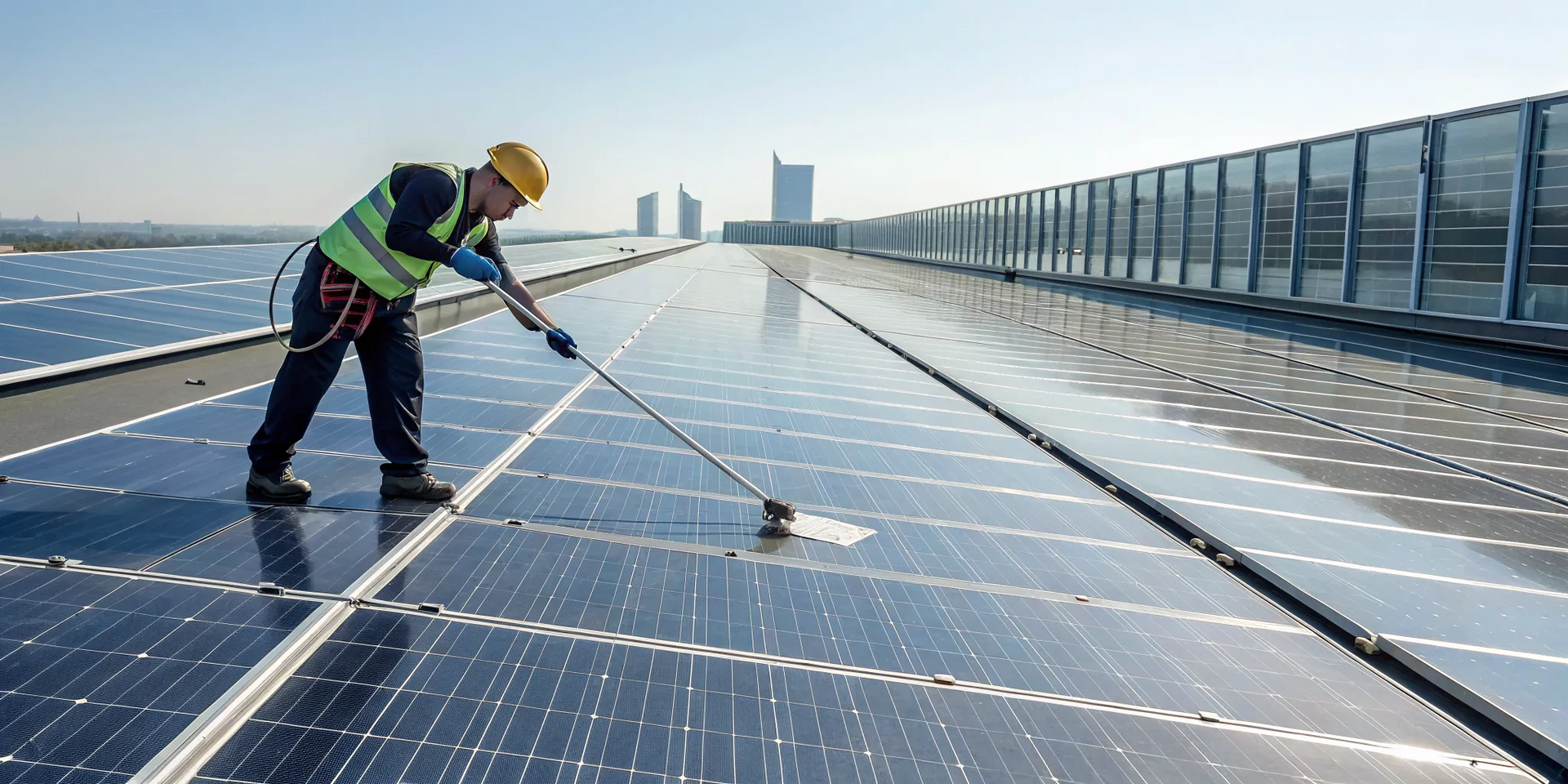
Here in Kansas, our solar panels face a unique set of challenges. From the fine dust carried on the wind to the thick pollen that blankets everything in the spring, there’s plenty that can settle on your roof. While a good rainstorm can rinse away some of the loose debris, it’s often not enough to scrub off the stubborn grime that builds up over time. This film can slowly reduce your system’s performance without you even noticing. That’s why knowing how often to clean solar panels is so important for homeowners in our state. It’s about creating a simple maintenance plan that accounts for our local weather.
Key Takeaways
- Let your system's performance be your guide: While cleaning once or twice a year is a good starting point, the most reliable sign your panels need a wash is a noticeable drop in energy production. Regularly check your monitoring app to stay on top of performance.
- Use gentle methods to protect your investment: The right way to clean involves simple tools like a soft brush, mild soap, and a standard garden hose. Avoid common mistakes like using a pressure washer or cleaning on a hot, sunny day, as these can cause permanent damage.
- Prioritize your safety over potential savings: A DIY cleaning is fine for easily accessible panels, but never risk your safety on a steep or high roof. When in doubt, hiring a professional ensures the job is done correctly and without putting you in harm's way.
How Often Should You Clean Your Solar Panels?
One of the best things about solar panels is how little maintenance they require. But to keep them working at their best, they do need a good cleaning now and then. Think of it like washing your car's windshield; a clear view lets in the most light. For your panels, more light means more energy production. The key is finding a cleaning schedule that works for your specific home and environment, because what works for a house in a leafy suburb might be different from a home in a dusty, rural area. Let’s figure out the right rhythm for keeping your panels sparkling and efficient.
A General Cleaning Schedule
For most homeowners, a simple rule of thumb is to clean your solar panels once or twice a year. This is usually enough to wash away the dust and grime that naturally builds up over time. Many people find that scheduling a cleaning in the spring and again in the fall works perfectly. A spring cleaning clears away winter debris and pollen, preparing your panels for the long, sunny days of summer. A fall cleaning removes summer dust and leaves, ensuring your panels are ready to capture every bit of sunlight during the shorter winter days. This basic routine helps maintain your residential solar system’s health and performance.
Cleaning Through Kansas Seasons
Here in Kansas, our weather can throw a lot at your panels. From dusty winds and spring pollen to agricultural dust, there’s plenty that can coat your system and reduce its efficiency. If you live near a busy highway, a construction site, or in a particularly windy area, you might notice your panels get dirty faster. In these cases, you may want to inspect them more often and consider cleaning them every few months instead of just twice a year. While a good rainstorm can rinse away some of the loose dust, it won’t scrub off stubborn grime or bird droppings, so you can’t rely on weather alone to do the job.
When to Adjust Your Cleaning Routine
The best way to know if your panels need a wash is to pay attention to their performance. If you notice a sudden or significant drop in the amount of energy your system is producing, dirty panels are a likely culprit. Take a look at them from the ground. Can you see a visible layer of dirt, leaves, or bird droppings? If so, it’s definitely time for a cleaning, even if it’s outside of your regular schedule. Being proactive helps you get the most out of your investment. Regular cleaning ensures your panels are always working their hardest to lower your electricity bills and power your home with clean energy.
What Determines How Often You Need to Clean?
There isn't a single magic number for how often your solar panels need a good scrub. While a general guideline is once or twice a year, the ideal frequency really comes down to where you live and the specific conditions around your property. Think of it less as a rigid schedule and more as a response to your environment. For some homeowners, an annual cleaning is plenty. For others, especially those in dustier parts of Kansas or near active farms, a quarterly cleaning might be necessary to keep your system running at its best and protect your investment.
Kansas Weather and Your Panels
Here in Kansas, we get a little bit of everything: dusty winds, seasonal pollen, and the occasional downpour. Your solar panels are built tough and designed to last for more than 25 years with very little upkeep. However, our weather can leave its mark. A long dry spell can allow a fine layer of dust and dirt to settle on your panels, and windy days can carry soil from nearby fields right onto your roof. While your panels will still produce power when they're a bit dirty, that grime can block sunlight and reduce their overall efficiency. That’s why it’s smart to give them a visual check after a major dust storm or during particularly dry, windy periods.
Your Property's Unique Environment
Beyond the general Kansas climate, take a look at your immediate surroundings. Do you live near a construction site, a busy road, or an agricultural field? These can all contribute to more dust and debris in the air, which will eventually land on your panels. Lots of trees can mean pollen in the spring and falling leaves in the autumn, while a high population of birds can lead to more frequent and stubborn messes. If your property is in a particularly dusty area with little rainfall, you might find that cleaning your panels every few months is necessary to keep them performing optimally. Assessing your unique environment is key to figuring out the right schedule for you.
How Panel Tilt and Angle Matter
The way your panels are installed on your roof also affects how clean they stay. Panels with a steeper tilt are better at self-cleaning because rain and wind can more easily wash away loose dirt and debris. On the other hand, panels with a lower tilt or those installed on a flat roof are more prone to collecting grime, pollen, and standing water, which can leave behind residue as it evaporates. Even a thin layer of dirt can reduce how much electricity your panels generate, so it's important to keep them clear. This is one reason why professional custom solar solutions are so valuable; an expert ensures your panels are positioned for both maximum sun exposure and effective runoff.
Does Rain Actually Clean Your Panels?
It’s a common belief that a good rainstorm is all your panels need to stay clean, but that’s only partially true. Rain can certainly help rinse away some of the loose dust that has accumulated on the surface. However, it’s not powerful enough to scrub off caked-on grime, bird droppings, or oily residue. Think about your car’s windshield: rain might clear some dust, but it often leaves streaks and doesn’t get rid of the tough spots. While rain helps, it’s no substitute for a thorough solar panel cleaning to ensure your system is producing at its peak.
Signs Your Solar Panels Need a Wash
Your solar panels are built to be durable and require very little upkeep, but they aren't completely maintenance-free. Over time, a layer of grime can build up and get in the way of all that beautiful Kansas sunshine. Paying attention to a few key signs will tell you exactly when it’s time for a cleaning, ensuring your system keeps running at its best.
A Sudden Drop in Energy Production
The most reliable sign that your panels need a wash is a noticeable dip in their energy output. You invested in a residential solar system to save money and generate clean power, so you want it working as efficiently as possible. If you check your monitoring app and see that your system is producing less energy than it did during the same time last year, a dirty surface is the likely culprit. As one expert notes, "If you notice a significant drop in your energy production, it is a sign that cleaning is needed." This simple check is the best way to stay on top of your system’s performance.
Visible Dirt, Dust, and Debris
A quick visual inspection can tell you a lot. While a good rainstorm can wash away some loose dust, it often isn't enough to do a thorough job. Rainwater can even leave behind a thin film of dirt that builds up over time. Look for obvious offenders like bird droppings, caked-on dust from nearby fields, pollen in the spring, or fallen leaves. Even a light, seemingly harmless layer of grime can block sunlight and reduce your system's efficiency. Keeping an eye out for this buildup helps you know when it's time to act.
Tips for Monitoring Performance
Staying proactive is the best way to keep your solar panels in top shape. Get in the habit of regularly checking your system’s monitoring app to track its daily and monthly output. This data makes it easy to spot any downward trends that aren't related to cloudy weather. It’s also a good idea to occasionally look over your panels and equipment for any visible issues like cracks or rust. If you’ve cleaned your panels but the energy output doesn't improve, it could point to a different issue. That’s the perfect time to contact a professional for a system check-up.
How to Clean Your Solar Panels Safely
Cleaning your solar panels is a straightforward task, but doing it correctly is key to protecting your investment and ensuring your safety. With the right approach, you can keep your system running at peak performance.
The Best Time and Weather for Cleaning
Timing is everything when it comes to cleaning your solar panels. The best time to give them a wash is in the early morning or late evening on an overcast day. Your panels can get surprisingly hot under the Kansas sun, and spraying cold water on a hot glass surface can cause it to crack. Cleaning when they’re cool protects them from this thermal shock. As a general guideline, plan to clean your panels twice a year. However, if you live in a dusty area or notice a lot of pollen, you might want to do it more frequently, perhaps once a season.
The Right Tools for the Job
You don’t need any high-tech gadgets for this job. The best tools are often the simplest. All you need is a bucket of warm water with a little mild dish soap, a soft brush or microfiber cloth on a long pole, and a standard garden hose with a spray nozzle. What you don’t use is just as important. Never use a pressure washer, as the high-pressure stream can damage the cells and might even void your warranty. Abrasive sponges and harsh chemicals are also off-limits because they can scratch the glass and wear away the anti-reflective coating.
A Step-by-Step Cleaning Guide
Ready to get started? Here’s a simple process for cleaning your panels. Before you begin, check your system’s manual for any specific shutdown procedures.
- Dry brush first: Gently sweep away loose debris like leaves and dirt with your soft brush.
- Wash with soapy water: Dip your soft cloth into the soapy water and gently scrub the panel surface, working from top to bottom.
- Rinse thoroughly: Use your garden hose on a gentle spray setting to rinse all the soap residue off. A clean rinse is important, as leftover soap film can attract more dirt.
Safety First: What to Avoid
Your safety is the top priority. If your panels are on a steep or hard-to-reach roof, please don’t risk it. It’s always safer to call in a professional. Our team at Barkley Solar offers expert maintenance services to handle the job safely. Also, remember to avoid harsh cleaners like laundry detergent or ammonia-based products, which can damage your panels. And it’s worth repeating: never spray cold water on hot panels. Following these simple rules will keep your solar array working at its best without putting you or your investment at risk.
DIY vs. Professional Cleaning: Which Is Right for You?
Deciding whether to clean your solar panels yourself or hire a professional comes down to safety, confidence, and your specific setup. While DIY can save you money, professional cleaning offers expertise and peace of mind. Let’s walk through the pros and cons of each so you can make the best choice. Remember, clean panels are efficient panels, and your safety is the top priority. Choosing the right method is a decision worth thinking about.
The Risks and Rewards of DIY
The biggest reward of cleaning your own solar panels is saving money. If your panels are easily and safely accessible, like on a ground-mounted system or a low-incline roof, a DIY cleaning can be a straightforward task. The process is similar to washing your car: use a soft brush, mild soapy water, and a gentle rinse to remove light dust. However, the risks can quickly outweigh the rewards. Safety is the number one concern, as climbing on a roof is dangerous. You also risk damaging the panels with the wrong tools or too much pressure, which can cause scratches and reduce their efficiency.
The Benefits of Hiring a Pro
Hiring a professional for your solar panel cleaning is about protecting your investment. Professionals use the right tools, including specialized brushes and purified water systems that won't leave mineral deposits. They know how to clean panels thoroughly without causing damage. More importantly, trained technicians have the safety equipment and experience to work on roofs without risk. While they’re up there, they can also perform a quick visual inspection of your system. This check-up can help you catch small problems before they become big ones.
When to Call Barkley Solar for Maintenance
There are clear signs that it’s time to call in a professional. You should leave the cleaning and maintenance to our team in these situations:
- Your panels are on a steep or hard-to-reach roof. Your safety isn't worth the risk. We have the training and equipment to handle it.
- You notice any physical damage. If you see cracks or chips in the glass, contact us for an inspection instead of cleaning them.
- Your energy output is still low after cleaning. This might signal a more complex electrical or mechanical issue.
Our expert team can safely clean your panels and diagnose any underlying problems. We’re here to ensure your residential solar system operates at its best.
How Cleaning Protects Your Solar Investment
Think of cleaning your solar panels like regular maintenance for your car. It’s not just about keeping them looking good; it’s about making sure they perform their best for years to come. A clean solar panel system is a happy, efficient system. By taking the time to wash away the grime, you’re actively protecting the significant financial commitment you made to sustainable energy. This simple act ensures you get the most out of your panels, extends their lifespan, and keeps your energy savings on track. It’s one of the easiest ways to safeguard your move to clean energy.
Maximize Your Energy Production
The primary job of your solar panels is to soak up sunlight, and they can’t do that effectively if they’re covered in dirt, dust, or bird droppings. Even a thin layer of grime can block sunlight and reduce the amount of electricity your panels generate. This means less power for your home and smaller savings on your utility bills. Studies show that a simple annual cleaning can help your panels produce significantly more energy compared to those left to be cleaned by rain alone. Keeping them clean is a direct path to maximizing the output of your home's energy system and getting the best possible return.
The Long-Term Benefits of Maintenance
Regular cleaning is also a great opportunity to give your system a quick visual inspection. This proactive approach helps you spot small issues, like loose wiring or minor cracks, before they turn into major, expensive problems. Consistent maintenance is key to extending the life of your panels and ensuring they operate safely and efficiently for their entire 25- to 30-year lifespan. Neglecting them can lead to a gradual decline in performance and could eventually result in costly repairs. Think of us as your long-term partner in keeping your system in top shape.
Create Your Personal Cleaning Schedule
So, how often should you clean your panels? A good rule of thumb is to plan for a cleaning once or twice a year, typically in the spring and fall. However, your specific schedule might vary. If you live in a particularly dusty part of Kansas, near a construction site, or have lots of trees that drop pollen and leaves, you may want to clean them more frequently, perhaps every few months. Pay attention to your system’s performance and visual appearance to create a routine that works for you and protects your solar investment.
Common Cleaning Mistakes (and How to Avoid Them)
Knowing how to clean your solar panels is just as important as knowing when. Using the wrong methods can do more harm than good, potentially scratching the glass, leaving residue, or even voiding your warranty. To keep your system in top shape and ensure your safety, let’s walk through a few common mistakes and how you can easily avoid them. Getting this right means you’ll protect your investment and keep that clean energy flowing for years to come.
Using Harsh Chemicals or Abrasive Tools
When you see stubborn grime, it’s tempting to reach for a heavy-duty cleaner or a stiff brush. But your solar panels are a precision instrument, and their glass surface is more delicate than it looks. Never use a pressure washer, as the high-powered stream can damage the seals and the surface of the panels. Similarly, avoid abrasive tools like standard brooms, scouring pads, or anything that could scratch the glass. Even tap water can be a problem in areas with hard water, as it can leave behind mineral deposits that block sunlight. Stick to a soft-bristled brush designed for solar panels and use distilled or deionized water.
Cleaning in Direct Sunlight or Bad Weather
Timing is everything. Cleaning your panels in the middle of a hot, sunny Kansas afternoon is a recipe for a streaky finish. The sun will cause the water to evaporate almost instantly, leaving behind dirt and soap residue that can reduce your system’s efficiency. More importantly, panels get extremely hot in direct sunlight. Spraying cold water onto hot glass can cause thermal shock, which could lead to microcracks and permanent damage. The best time to clean your panels is on a cool, overcast day or early in the morning before the sun gets too intense. This gives you plenty of time to rinse and squeegee the surface properly for a crystal-clear result.
Forgetting Basic Safety Precautions
Your safety should always come first. Many residential solar arrays are installed on rooftops, and climbing up there comes with obvious risks. Before you even think about a DIY cleaning, assess the situation. Is your roof steep? Is it wet or windy? If you have any doubts about your ability to work safely, it’s best not to try. If you do proceed, wear sturdy, non-slip shoes and make sure your ladder is secure. For ground-mounted systems, the risks are lower, but you should still be mindful. When in doubt, the smartest and safest option is to call a professional. Our team at Barkley Solar can handle any necessary maintenance or service, ensuring the job is done right.
Frequently Asked Questions
Is rain enough to keep my solar panels clean? While a good rainstorm can rinse away some of the loose dust on your panels, it’s not a substitute for a real cleaning. Rain won't remove stubborn grime, bird droppings, or the thin film of dirt that can build up over time. Think of it like your car's windshield; rain helps, but you still need to wash it properly to see clearly.
How do I know if my panels are dirty enough to need cleaning? The most reliable sign is a noticeable drop in your system's energy production that isn't related to cloudy weather. If you check your monitoring app and see that your output is lower than it should be, it's a strong indicator that a layer of grime is blocking sunlight. A quick visual check from the ground for a visible layer of dirt is also a good clue.
What's the safest way to clean my panels myself? If your panels are easily accessible from the ground, the safest method is to use a soft brush on an extension pole with a bucket of water and a small amount of mild dish soap. Gently scrub the surface and then rinse it thoroughly with a standard garden hose. It's best to clean them on a cool, overcast day to prevent the water from evaporating too quickly and leaving streaks.
When should I definitely hire a professional instead of doing it myself? You should always call a professional if your panels are on a steep, high, or otherwise hard-to-reach roof. Your safety is not worth the risk. It's also wise to call for service if you've cleaned the panels but your energy production doesn't improve, as this could signal a different issue that requires an expert diagnosis.
Can using the wrong cleaning method actually damage my panels? Yes, you can cause permanent damage by using the wrong tools or chemicals. Abrasive brushes can scratch the glass, and harsh cleaners can wear away the protective anti-reflective coating. Never use a pressure washer, as its high-powered stream can damage the panel seals and the solar cells themselves, potentially voiding your warranty.