How Much Do Solar Panels Cost for a House? Explained
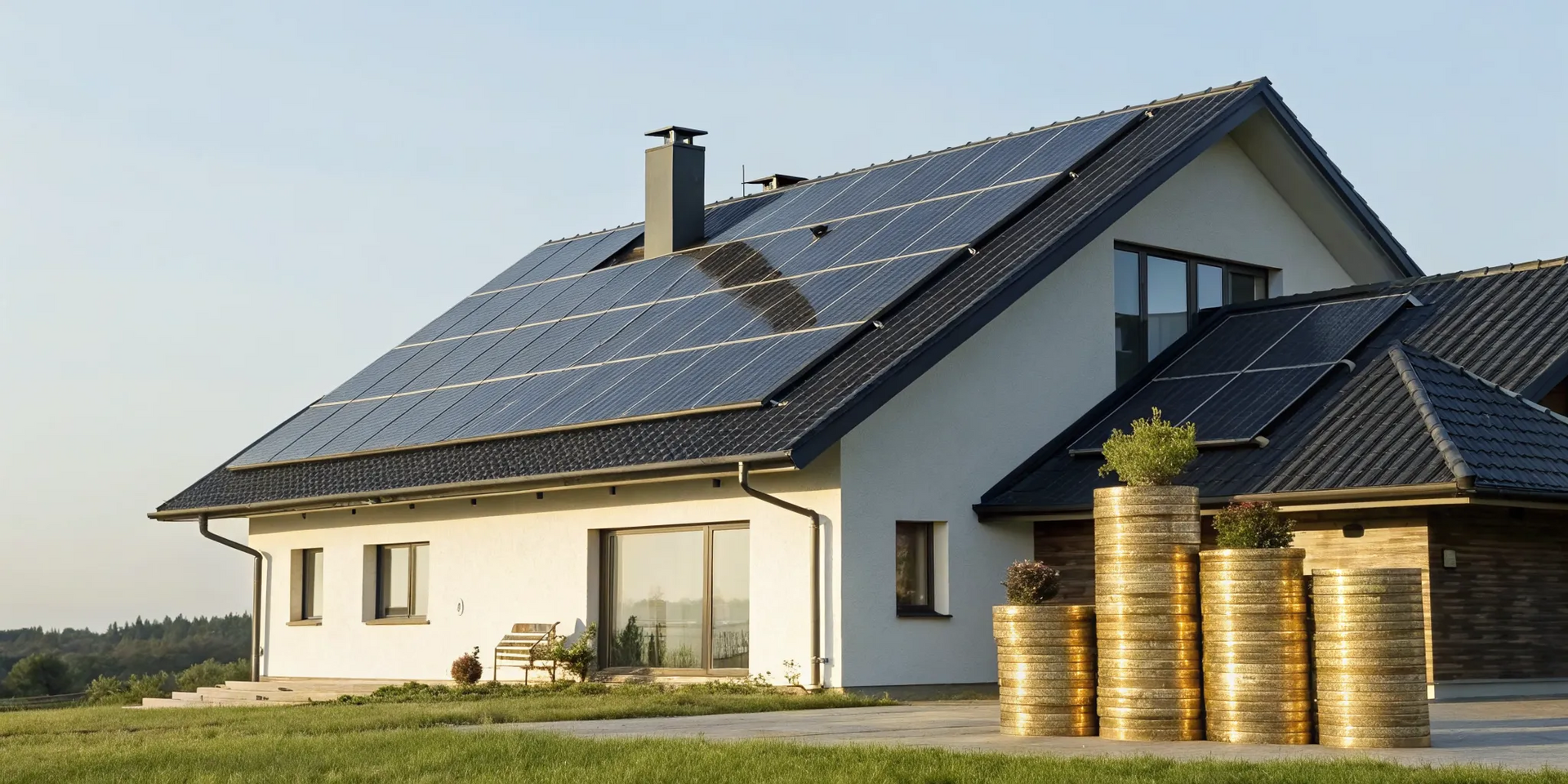
Opening your electricity bill can feel like you’re at the mercy of unpredictable rates, especially during our hot Kansas summers. You have no control over price hikes, leaving you to just pay whatever the utility company demands. Going solar is about taking that control back. It’s a path to predictable energy costs and financial peace of mind. But that journey starts with a practical question: how much do solar panels cost for a house? We’re going to give you a clear, honest look at the investment required to achieve energy freedom and protect your family’s budget from rising utility costs for decades.
Key Takeaways
- Price is tied to your home's needs: The final cost of a solar system isn't a flat rate because it's designed to match your family's energy consumption and your roof's unique layout. This custom approach ensures you only pay for what you need to maximize your savings.
- You don't have to pay the full price upfront: Take advantage of the 30% federal tax credit to significantly reduce the total cost of your system. Combined with flexible solar loans, you can start saving on your electricity bills immediately without a large initial cash payment.
- Focus on the long-term savings, not just the initial cost: A solar system is an investment that pays for itself over time, typically within 5 to 15 years. After this payback period, the energy your panels produce is essentially free, protecting you from rising utility rates for decades.
How Much Do Solar Panels Cost for a House?
Let’s get straight to the point: you want to know how much solar panels will cost for your home. It’s one of the first questions everyone asks, and for good reason. Installing a solar system is a significant home improvement project, and understanding the price tag is key. While the final cost depends on your specific home and energy needs, most homeowners can expect to invest between $14,000 and $28,000 for a complete system.
Think of it less as an expense and more as a long-term investment in your home’s value and your energy independence. The price you pay upfront covers everything needed to start generating your own clean power, from the panels themselves to the installation and connection to the grid. The exact cost will vary, but this range gives you a solid starting point. At Barkley Solar, we focus on creating a custom residential solar solution that fits your budget and maximizes your savings, ensuring you get the most value from your investment.
Breaking Down Costs by System Size
The biggest factor determining your total cost is the size of the solar system you need, which is measured in kilowatts (kW). A larger home with a higher electricity bill will naturally require a larger system to offset its energy use. For example, a typical 7-kilowatt system, which is a common size for many homes, costs around $19,500 on average before any incentives. A larger 12-kilowatt system might cost closer to $30,000.
The goal is to design a system that produces enough electricity to match your family’s annual consumption. We figure this out by looking at your past utility bills and your home’s characteristics. Don’t worry about calculating this yourself; a professional consultation will give you a precise recommendation tailored to your energy habits. You can explore national solar panel cost data to see how these figures compare across the country.
What Does "Cost Per Watt" Mean?
When you start getting quotes, you’ll hear the term "cost per watt." This is the standard unit price for solar, and it helps you compare different offers fairly. It’s like looking at the price per square foot when you’re buying a house. The average cost per watt for a residential solar system typically falls between $2.50 and $3.50. This price includes the panels, inverters, racking, labor, permits, and all other components.
So, if you’re quoted $2.80 per watt for a 7,000-watt (7-kW) system, your total cost would be $19,600 (7,000 x $2.80). Using this metric makes it easier to see the value you’re getting from different installers. It’s also why it’s so important to get a custom quote, as the final cost per watt can be influenced by equipment quality and installation complexity. We offer flexible financing options to help make this investment manageable for your family’s budget.
What Factors Influence Your Final Solar Cost?
Pinpointing the exact cost of a solar panel system is a bit like asking, "How much does a house cost?" The answer is always: it depends. There’s no one-size-fits-all price tag because every home, family, and energy goal is unique. The final number on your quote is shaped by a handful of key factors that are specific to your situation. Understanding these variables will help you see why a custom assessment is so important for getting an accurate price.
The size of your home and how much electricity you use are the biggest drivers of cost. Beyond that, the specific characteristics of your roof, your location here in Kansas, and the quality of the equipment you choose all play a significant role. Think of it as creating a custom energy solution tailored just for you. A professional installer will look at all these pieces to design a system that meets your needs and budget. This ensures you’re not overpaying for panels you don’t need or getting a system that won’t cover your energy demands. Getting a personalized quote is the best way to explore your residential solar options.
Your Home's Size and Energy Needs
The most significant factor in your solar system's cost is how much electricity you use. A larger home with more occupants and appliances will naturally consume more power, requiring a bigger system with more panels to offset that usage. The first thing we do is look at your past utility bills to get a clear picture of your average monthly and yearly energy consumption. This data helps us determine the right system size to meet your goals, whether you want to cover a portion of your bill or aim for complete energy independence. It’s a straightforward relationship: the more power you need, the more panels you’ll need, which influences the final cost.
Your Roof's Unique Characteristics
Your roof is the foundation of your solar system, and its specific features can influence the installation cost. An ideal roof for solar is south-facing with plenty of open space, but we can design systems for almost any roof. Things like steep pitches, complex angles, or materials like slate or tile can require more specialized equipment and labor, which can add to the cost. We also assess the condition of your roof to ensure it can support the panels for decades to come. Obstructions like chimneys, vents, and skylights, as well as shading from nearby trees, are all considered when we create a custom solar panel layout to maximize your sun exposure.
Your Location and Local Regulations
Where you live matters when it comes to solar costs. Prices can vary from state to state and even between cities due to differences in labor costs, local permitting fees, and specific building codes. Here in Kansas, we have our own set of regulations and incentive programs that will affect your bottom line. Handling these local requirements is part of the installation process. A local expert who understands the ins and outs of permitting and inspections in your specific area can make the process much smoother and ensure your project is completed without any costly surprises or delays. This local knowledge is key to getting an accurate and comprehensive quote.
The Quality of Your Solar Equipment
Not all solar panels are created equal. The equipment you choose has a direct impact on both the upfront cost and the long-term performance of your system. You can choose from standard, mid-range, or premium panels, with higher-efficiency models typically costing more. While it might be tempting to go with the cheapest option, investing in high-quality panels and inverters from reputable manufacturers often provides a better return over time. These components tend to have lower degradation rates and longer warranties, meaning they’ll produce more reliable energy for decades. We believe in using top-tier products and demonstrating our commitment to expert craftsmanship on every project.
What Other Expenses Come With a Solar Installation?
When you get a quote for a solar panel system, the price includes more than just the panels. The final cost covers everything needed to get your system up and running safely and efficiently. These additional expenses, often called "soft costs," include the skilled labor for installation, local permits, and any necessary upgrades to your home. A trustworthy installer will walk you through a detailed breakdown of these costs so you know exactly what you’re paying for. It's important to understand these components because they are crucial for a high-quality, long-lasting system that performs as expected.
Think of it like building a house; you're not just paying for the lumber, but for the architects, electricians, plumbers, and inspectors who ensure it's a safe and functional home. In solar, these soft costs ensure your system is compliant with local codes, integrated seamlessly with your existing electrical setup, and installed by qualified professionals who stand by their work. They also cover project management, system design, and customer support throughout the process. Understanding this full picture helps you compare quotes accurately and appreciate the value that comes with a comprehensive, professional installation, rather than just focusing on the price per panel. Let’s look at the key expenses that are part of a professional solar installation.
Installation and Labor
The physical installation of your solar panels is a major part of the total cost, often accounting for a significant portion of your final bill. This isn't just about bolting panels to your roof. This cost covers the team of certified electricians and installers who design a custom system for your home, secure the racking, mount the panels, and handle all the complex wiring. Investing in professional labor ensures your system is safe, efficient, and built to last for decades. At Barkley Solar, our expert craftsmanship means you can have peace of mind knowing the job is done right the first time.
Permits and Electrical Upgrades
Before any work begins, your solar project needs a green light from your local municipality. This involves securing permits and scheduling inspections to ensure your system meets all safety and building codes, which can cost anywhere from a few hundred to a thousand dollars. In some cases, an older home might need an electrical panel upgrade to support the new energy flowing from your solar panels. A great solar partner handles all the paperwork and coordination for you, making the process seamless. We manage these details so you can focus on the excitement of switching to clean energy for your home.
Necessary Roof Repairs
Your roof is the foundation of your solar panel system, so it needs to be in great shape before installation. If your roof is nearing the end of its life, it’s far more cost-effective to repair or replace it before the panels go on. Having to remove and reinstall your solar panels down the road for a roof replacement can be a complicated and expensive job, potentially costing $5,000 or more. We always assess your roof's condition as part of our initial consultation and can coordinate with your roofer to ensure a smooth process. Our solar panel removal and reset services are designed to work seamlessly with roofing projects.
Optional Add-Ons like Battery Storage
While not required, you might consider add-ons to get even more out of your solar system. The most popular option is a solar battery, which stores the excess energy your panels produce during the day. This gives you backup power during a grid outage and can help you avoid pulling expensive electricity from the utility during peak hours. Adding a battery can increase the project cost by $7,000 to $18,000, but it provides true energy independence. Because this is a significant investment, we offer flexible financing options to help make it more accessible for Kansas homeowners.
How Can You Pay for Your Solar System?
One of the biggest questions people have about going solar is, "How will I pay for it?" The good news is, you have options. Flexible payment plans make solar accessible for many different budgets. Whether you want to own your system outright or simply pay less for electricity each month, there’s a path for you. Let’s walk through the most common ways to fund your solar project.
Solar Loans
A solar loan works much like one for a car or home renovation. You borrow the money to purchase your system and pay it back over time with monthly installments, typically from $100 to $300. The best part is that you own the system from day one. This means you get to claim all the valuable tax credits and incentives, which significantly reduces the overall cost. It’s a fantastic way to get the full financial benefits of solar ownership without a large upfront payment. We can help you explore different financing options to find a loan that fits your budget.
Solar Leases and Power Purchase Agreements (PPAs)
If you want a low-to-no-cost way to start using solar energy, a lease or a Power Purchase Agreement (PPA) might be for you. With these options, a third party owns and maintains the panels on your roof. You simply pay a fixed monthly fee to lease the equipment or pay a set rate for the electricity it produces, often between $150 and $250 per month. This lets you enjoy lower energy bills without the responsibility of ownership. While you won't be eligible for tax credits, it's a hassle-free way to switch to clean energy.
Paying with Cash
Paying for your solar system with cash is the most direct and financially rewarding path if you have the funds. By purchasing the system outright, you avoid interest payments completely, which maximizes your long-term savings and gives you the fastest return on your investment. When you pay with cash, you immediately own your system and are entitled to all the benefits, including the federal solar tax credit and any local incentives. It’s a powerful investment in your home’s value and your energy independence.
How to Lower Your Costs with Solar Incentives
The initial investment in a solar system is a significant consideration, but it's not a number you have to face alone. The great news is that a combination of federal, state, and local incentives are available to significantly reduce the cost of going solar. These programs are designed to make clean energy more accessible for homeowners just like you. When combined with flexible financing options, these incentives can make the switch to solar a smart and manageable financial decision.
The Federal Solar Tax Credit
One of the most impactful incentives available is the Residential Clean Energy Credit, often called the Federal Solar Tax Credit. This isn't a simple rebate; it's a powerful, dollar-for-dollar reduction of your federal tax liability. It allows you to deduct 30% of your total solar installation cost directly from what you owe. This credit applies to the entire system cost, including panels, inverters, labor, and even battery storage if you choose to add it. The 30% rate is set to continue through 2032, giving you a fantastic window to take advantage of this major financial benefit and significantly lower the net cost of your investment.
Kansas-Specific Rebates and Programs
Beyond the federal level, Kansas offers its own set of benefits to make solar more attractive. While the state doesn't have a universal rebate program right now, you can still benefit from a valuable property tax exemption. This means that even though your solar panels add significant value to your home, your property taxes won't increase because of them. It's a great long-term financial perk. It's also smart to check for any new state-specific incentives that may become available, as energy policies can change. We stay on top of these local policies to ensure our customers in Wichita and across Kansas get every dollar of savings they qualify for.
Local Utility Company Incentives
Don't forget to check with your local utility provider, as this is another great avenue for savings. Many electric companies in Kansas offer their own unique solar rebates and programs to encourage homeowners to adopt renewable energy. These incentives can range from one-time rebates that lower your upfront installation cost to performance-based incentives that pay you for the energy your system produces. Because these programs vary widely and can have specific eligibility requirements, it’s a good idea to see what your provider offers. We can help you review the programs available from your utility to maximize your savings.
Common Myths About the Cost of Solar
When it comes to solar energy, cost is one of the biggest topics of conversation, and it’s surrounded by a lot of myths. It’s easy to get overwhelmed by conflicting information, but understanding the real costs and benefits is the first step toward making a smart decision for your home. Let’s clear up a few of the most common misconceptions about the price of going solar.
Myth: "It's too expensive upfront."
The initial price tag for a solar system can seem daunting. While the average solar panel cost for a home system is a significant purchase, it’s more helpful to think of it as an investment rather than an expense. Over 25 years, a solar system can save a homeowner tens of thousands of dollars on electricity bills. Most systems pay for themselves in about a decade, and after that, the energy you generate is practically free. Plus, flexible financing options mean you don’t have to pay the full amount out of pocket, making solar accessible without a huge upfront payment.
Myth: "My electricity bill will be $0."
Wouldn't a zero-dollar electricity bill be amazing? While solar panels will drastically reduce your monthly utility costs, it's uncommon to have a $0 electric bill every single month. Most homes remain connected to the grid to draw power at night or on very cloudy days. You may also have small, fixed charges from your utility company for grid access. The goal of solar is to get your bill as low as possible and protect you from rising electricity rates, and a custom-designed system will maximize your savings based on your energy usage.
Myth: "The panels won't last."
Some people worry that solar panels are a fragile technology that will need replacing in just a few years. In reality, today’s solar panels are incredibly durable and built to last for decades. Most high-quality panels come with a 20 to 25-year warranty guaranteeing they will still produce at a high capacity. In fact, many systems continue generating clean energy long after that, with a lifespan of 30 to 40 years or more. You can learn more about what happens to solar panels after 25 years and see just how reliable this technology is for your home.
How Much Money Can Solar Panels Save You?
Thinking about the cost of solar panels is only half the equation. The other, more exciting half is figuring out how much money they’ll save you. Going solar is a long-term investment in your home’s energy future, and the financial returns can be substantial. While the exact amount you save depends on factors like your system’s size, your family’s energy consumption, and local utility rates, the outcome is almost always the same: lower electricity bills and more money in your pocket over time.
The savings start the moment your system is turned on and continue for decades. It’s not just about reducing a monthly expense; it’s about gaining financial predictability and protecting yourself from unpredictable rate hikes. By generating your own clean power, you take control of your energy costs. Let’s break down what those savings can look like, both in the short term and over the entire life of your solar panel system.
Your Monthly Bill Reduction
The most immediate financial benefit you’ll see is a smaller (or even non-existent) monthly electricity bill. Your solar panels generate power during the day, which your home uses first. If you produce more electricity than you need, the excess energy is often sent back to the grid, and you can earn credits from your utility company through a program called net metering. This means you’re only paying for the small amount of electricity you might need from the grid at night or on cloudy days. For many homeowners, this drastically cuts their monthly energy spending and frees up that money for other things.
Your Long-Term Savings Potential
While lower monthly bills are great, the long-term savings are where solar truly shines. Over the 25-year lifespan of your solar panels, the savings add up significantly. According to a report from EnergySage, homeowners can save anywhere from $37,000 to $148,000 on electricity bills. Think of it as a return on your investment that continues to grow year after year. By making a one-time investment in a solar system, you’re pre-paying for decades of electricity at a fixed cost. We offer several financing options to make this long-term investment accessible from day one.
Protection from Rising Utility Rates
Electricity rates aren't static; they tend to increase over time. According to the U.S. Energy Information Administration, residential electricity prices have been on a steady upward trend for years. When you have solar panels, you insulate yourself from these unpredictable hikes. You’ve essentially locked in your electricity costs for the next 25 years or more. Every time your local utility company raises its rates, your savings from solar increase. This provides incredible peace of mind and makes budgeting for your residential solar system a stable and predictable part of your financial plan.
How to Choose the Right Solar Installer
Picking your solar panels is just one part of the equation. The team you hire to design and install your system is just as critical to your long-term success and satisfaction. Think of your solar installer as your partner for the next 25 years or more. They’re the ones who will conduct the initial site assessment, create a custom design tailored to your home’s energy needs, handle all the permits, and perform the physical installation. A great installer makes this entire process feel seamless and ensures your system performs optimally for decades.
Choosing the right company is what separates a smooth, rewarding experience from a frustrating one filled with unexpected issues. You want a team that is not only technically proficient but also communicative, transparent, and reliable. A reputable installer will stand by their work, answer your questions clearly, and be there for you if you need support down the road. This is a significant investment in your home, so it’s worth taking the time to find a team you can trust to get the job done right from the very beginning. A local expert will also be familiar with Kansas-specific building codes, permitting processes, and utility company requirements, which helps everything move forward without a hitch.
Check Their Experience and Credentials
Before you sign any contracts, do a little homework on the company’s background. A reputable installer should have a proven track record and be happy to share their credentials. Start by looking for industry certifications, like those from the North American Board of Certified Energy Practitioners (NABCEP), which is the gold standard for solar professionals. You’ll also want to confirm they are licensed and insured to work in Kansas.
Next, look for social proof. Check online reviews on platforms like Google to see what past customers have to say about their experience. Don’t be afraid to ask for references, especially from homeowners in your area. A confident installer with a history of successful projects will have no problem connecting you with satisfied clients.
Review Warranty and Maintenance Options
Your solar panel system is built to last for decades, but strong warranties provide essential peace of mind. It’s important to understand that there are two main types of warranties: one for the equipment and one for the installation itself. The manufacturer covers the panels and inverters, but your installer should provide a separate workmanship warranty. This covers issues related to the quality of their installation work, like leaks or loose wiring. A long workmanship warranty is a great sign that the company stands by its quality.
Ask what the process looks like if you need service or maintenance in the future. Who do you call? What are their typical response times? A reliable installer will have a clear plan for post-installation support.
Ask About Their Customization and Installation Process
A one-size-fits-all approach doesn’t work for solar. A good installer will create a custom system designed specifically for your home’s architecture, your family’s energy consumption, and your financial goals. Their process should always start with a detailed site assessment to evaluate your roof’s condition, orientation, and any potential shading issues. From there, they should provide a comprehensive proposal that explains why they chose certain equipment and what you can expect in terms of energy production.
Be sure to ask who will be performing the installation. Many top-tier companies use their own in-house crews rather than subcontractors, which generally leads to higher quality control and better communication. The right partner will work with you to develop the perfect residential solar solution that meets your needs today and for years to come.
Is Solar Cheaper Than Traditional Electricity?
This is one of the biggest questions we hear, and the short answer is a resounding yes. While there's an upfront investment, thinking about solar isn't like buying a new appliance. It's about fundamentally changing how you pay for power. Instead of renting electricity from a utility company forever, you're investing in your own personal power plant. Over time, this shift not only pays for itself but also generates significant savings, especially as traditional utility rates continue to climb. Let's break down how the costs and benefits really stack up.
Comparing Cost Per Kilowatt-Hour
When you get your monthly utility bill, you’re paying a certain rate for every kilowatt-hour (kWh) of electricity you use. With solar, you make a one-time investment in a system that will produce power for 25 years or more. While the cost of solar panels has dropped significantly, averaging around $2.79 per watt, the real magic is that your fuel, which is sunlight, is free. When you spread the system's cost over its long lifespan, the price you pay per kWh is often much lower than what the utility charges. Plus, your solar rate is locked in, protecting you from the unpredictable price hikes that are common with traditional electricity.
The Long-Term Value of Solar
Think of a solar panel system as an investment in your financial future. While the initial cost is a key consideration, the long-term return is where solar truly shines. Over a 25-year period, homeowners can expect to save anywhere from $37,000 to $148,000 on electricity bills. Most systems pay for themselves through these savings within 5 to 15 years. After that payback period, every bit of energy your panels produce is pure savings. It’s one of the few home improvements that not only adds value but also actively puts money back in your pocket month after month. Our team can help you calculate the specific long-term value for your residential solar project.
Other Benefits: Home Value and Energy Independence
The financial perks of solar go beyond just your monthly bills. Homes equipped with solar energy systems are often more attractive to buyers and can sell for more than homes without them. But perhaps the most empowering benefit is energy independence. By generating your own clean power, you reduce your reliance on the grid. This gives you a powerful shield against fluctuating energy prices and a greater sense of security. You're not just saving money; you're taking control of your energy future. It’s a core part of our mission at Barkley Solar to help homeowners achieve this peace of mind.
Is Solar a Smart Investment for Your Kansas Home?
When you think about major home upgrades, you want to know if they’re truly worth it. Solar panels are no different. For Kansas homeowners, going solar is more than just an environmental choice; it's a significant financial decision that can pay off for decades. It’s about taking control of your energy costs, increasing your home's value, and investing in a more sustainable future for our community. The idea of generating your own clean power right from your rooftop is empowering, but it's natural to wonder about the bottom line.
But is it the right move for your specific situation? The answer depends on a few key factors, from the amount of sunshine your roof gets to how quickly you can recoup your initial investment through energy savings. The cost of solar panels and how much you save can change a lot depending on where you live, your roof, and how much electricity you use. Understanding these elements will help you see the full picture. Let's break down what makes solar a smart investment in the Sunflower State, how to calculate your potential return, and the positive impact you can make along the way. This isn't just about saving money on your electricity bill; it's about building long-term energy independence and security for your family.
Tapping into Kansas's Sunshine
Kansas is called the Sunflower State for a reason, and all that sunshine is perfect for generating solar power. Our state gets ample sunlight throughout the year, making it an ideal location for residential solar systems. However, every home is unique. The amount of energy your panels produce depends on factors like your roof’s angle, its orientation toward the sun, and any potential shading from trees or nearby buildings. Your family's specific energy consumption also plays a huge role in designing a system that meets your needs without overproducing. That’s why a one-size-fits-all approach doesn’t work; a custom assessment is the first step to understanding your home’s true solar potential.
Calculating Your Payback Period
The solar payback period is the time it takes for your energy savings to cover the initial cost of your system. Think of it as your break-even point. In most cases, solar panels pay for themselves in about 5 to 15 years through the money you save on electricity bills. After that period, the clean energy you generate is practically free. The exact timeline for your home depends on the total system cost, your average energy usage, and any solar incentives you qualify for. With flexible financing options, the upfront cost becomes much more manageable, allowing you to start saving from day one while investing in your home's future.
The Environmental and Community Impact
While the financial savings are a major draw, the benefits of going solar extend far beyond your wallet. Choosing solar is a powerful way to reduce your household's carbon footprint and contribute to a healthier environment for everyone. It’s a commitment to your home's future, providing decades of energy savings and independence from unpredictable utility rate hikes. By partnering with a local company, you're also investing in the Kansas economy. We're proud to be a part of this community, and our mission is to empower our neighbors with clean, reliable, and affordable energy for years to come.
For a deeper look at what drives solar pricing, read our guide on the average cost to install solar panels and compare your options with our review of the best solar panels for home use. You can also use our solar loan calculator to estimate monthly payments after incentives. When you are ready to move forward, Barkley Solar offers residential solar installation in Wichita with a solar loan calculator to fit your budget.
Frequently Asked Questions
How can I find out the exact cost for my home? The best way to get an accurate price is through a personalized consultation. Since the final cost depends on your home’s specific energy usage, roof design, and your personal goals, a custom quote is essential. During a consultation, a solar expert will review your electricity bills and assess your property to design a system that’s perfectly sized for your needs, giving you a clear and detailed price breakdown.
How does the 30% federal tax credit actually work? The federal tax credit is a dollar-for-dollar reduction of the income tax you owe. For example, if your system costs $20,000, you would be eligible for a $6,000 tax credit. If you owe $7,000 in federal taxes that year, the credit would reduce your tax liability to just $1,000. It is not a cash rebate, so you must have a tax liability to take advantage of it.
What happens if I need a new roof after my solar panels are on? This is a great question and highlights why we always assess your roof's condition first. If you need a roof replacement after your panels are installed, the system will need to be professionally removed and then reinstalled. This process involves extra costs, so we strongly recommend addressing any roofing needs before you go solar to save you time and money down the road.
Will my solar panels still generate power on cloudy days? Yes, your solar panels will still produce electricity on cloudy days, just not as much as they do in direct sunlight. Modern panels are very efficient and can capture diffused sunlight. Your system is designed based on your area's annual sun exposure, accounting for seasonal changes and cloudy weather to ensure it meets your energy goals over the course of the year.
How long does the entire solar installation process take? From the initial consultation to the moment your system is turned on, the process typically takes one to three months. This timeline includes the site assessment, system design, securing local permits, and coordinating with the utility company. The physical installation on your roof is usually completed in just one or two days, with the rest of the time dedicated to the necessary administrative steps.