The 4 Best Solar Panels for Home Use Reviewed
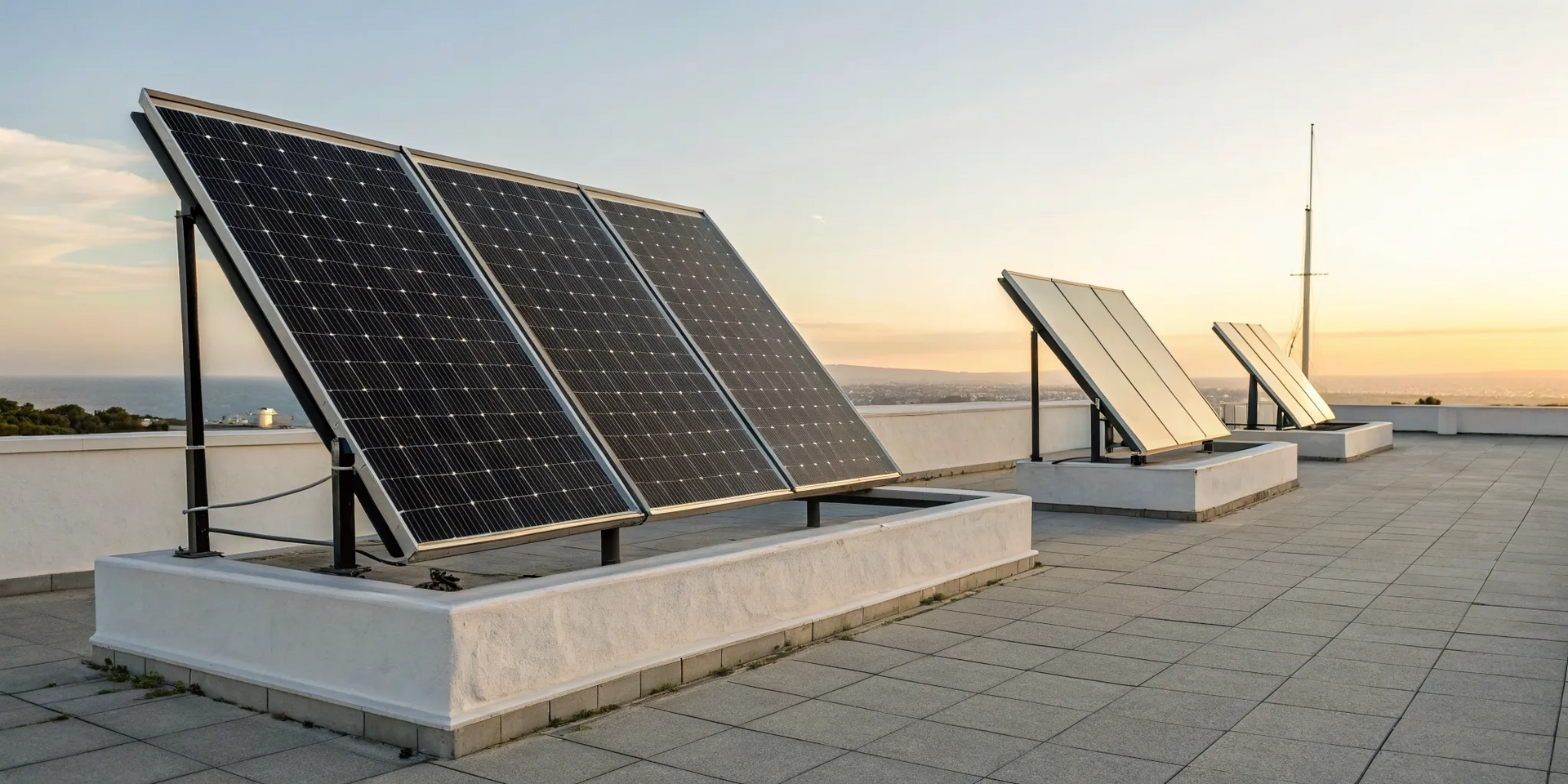
Every solar company will tell you they offer the "best" panels, but what does that really mean? The most powerful, expensive panel isn't always the right choice for every situation. Think of it like buying a car; a high-performance sports car is fantastic, but it might not be the best option for a family of five. The same principle applies to solar. The best solar panels for home use are the ones that perfectly match your specific energy goals, roof size, and financial plan. We'll break down the essential features to look for so you can define what "best" means for you and your home.
Key Takeaways
- Define your own "best" panel: The ideal solar panel for you is a personal balance of four key factors: efficiency, warranty, cost, and durability. Consider your specific roof, budget, and energy goals to find the perfect fit.
- Look beyond the price tag to long-term performance: A quality solar system is a decades-long investment, so prioritize panels with low degradation rates and comprehensive warranties from established companies to ensure reliable energy production for years.
- Choose efficiency based on your roof space: High-efficiency panels (22% or more) are excellent for maximizing power on smaller roofs, while panels in the 20-22% range provide a great combination of performance and value for most homeowners.
- Prioritize your installer: Your choice of a local installation partner is just as important as the panel brand, ensuring expert craftsmanship, optimal system performance, and reliable long-term support.
What Makes a Solar Panel "the Best"?
When you start looking at solar panels, the options can feel overwhelming. Every brand claims to be the best, but what does that really mean for your home? The truth is, the "best" solar panel isn't a one-size-fits-all answer. It's about finding the perfect balance of performance, protection, and price for your specific needs, your roof, and your budget.
Think of it like buying a car. A sports car might be the "best" for speed, but an SUV is better for a growing family. Similarly, the right solar panel for a huge commercial roof might be different from the one that makes the most sense for your Wichita home. To help you sort through the noise, we focus on four key factors that truly define a quality solar panel: efficiency, warranty, cost, and durability. Understanding these will help you make a confident choice for your home's energy future.
Efficiency: How Much Power Can You Get?
Solar panel efficiency is simply a measure of how much sunlight the panel can convert into usable electricity. A higher efficiency percentage means the panel can generate more power from a smaller surface area. The top-tier panels on the market now reach efficiencies of around 23%, which is a game-changer, especially if you have limited roof space.
This impressive performance is thanks to new technologies like N-type solar cells, which are designed to capture more light and last longer. For you, this means you can meet your home's energy needs with fewer panels, leaving a cleaner look on your roof. When we design a residential solar system, we help you find the sweet spot between efficiency and cost to maximize your energy production.
Warranty: How to Protect Your Investment
A solar panel system is a significant investment in your home, and a strong warranty is your long-term protection. You'll typically see two types of warranties: a product warranty and a performance warranty. The product warranty covers defects in the panel itself, like a faulty frame or junction box, usually for 25 years. The performance warranty guarantees the panel will still produce a certain percentage of its original power after 25 or 30 years.
Look for manufacturers that offer a combined 25 to 30-year warranty. Just as important, however, is the company behind the warranty. A great warranty is only valuable if the company is still around to honor it decades from now. That's why we partner with established, financially stable manufacturers who have a proven track record of standing by their products.
Cost: Balancing Your Budget with Quality
Let's talk about the price tag. While it's tempting to go for the cheapest option, cost should be weighed against long-term value. A more helpful way to compare prices is by looking at the cost per watt, which typically ranges from $2.50 to $3.00 for a full installation. This metric helps you compare the power-generating potential of different systems on an even playing field.
Remember, the panels are just one part of the total system cost, which also includes inverters, mounting hardware, and professional installation. The good news is that federal tax credits and local incentives can significantly reduce the final price. We can also walk you through flexible financing options to find a payment plan that fits your family's budget without compromising on quality.
Durability: Will Your Panels Last for Decades?
Your solar panels will be on your roof for a long time, facing everything Kansas weather can throw at them, from intense summer sun to hail and snow. That's why durability is non-negotiable. High-quality solar panels are built to last 30 years or even longer. A key indicator of durability is the panel's degradation rate, which is the small amount of efficiency it loses each year.
Top-performing panels have a degradation rate of 0.4% or less per year. This means that after 25 years, they are still guaranteed to produce over 90% of their original power. When you choose durable, well-made panels and have them installed by our expert team, you can trust that your system will be reliably generating clean energy for your home for decades to come.
Our Top Solar Panel Picks for Homeowners
When you start looking at solar panels, the number of brands and models can feel a little overwhelming. We get it. That's why we've done the homework for you. At Barkley Solar, we only work with manufacturers that have a proven track record of quality, reliability, and excellent customer support. We've installed thousands of panels across Kansas, so we know what works best in our climate. Below are the brands we trust to power our customers' homes for decades to come.
Maxeon (SunPower): For Top-Tier Efficiency
If your goal is to generate the absolute most power possible, Maxeon is hard to beat. Formerly the manufacturing arm of SunPower, Maxeon produces some of the most efficient panels available to homeowners, with some models converting over 24% of sunlight into electricity. This is fantastic for homes with limited roof space. They also back their technology with an incredible 40-year warranty, one of the longest in the industry. While the company has navigated some financial shifts recently, their product quality remains top-tier, and when installed by a certified partner like us, you get peace of mind knowing your system is built to last.
REC Solar: For European Engineering
REC Solar panels are known for their robust performance and durability, especially when the Kansas sun is beating down. Their Alpha Pure-RX series boasts an impressive 22.6% efficiency rating and is designed to perform exceptionally well in high temperatures. What really sets REC apart is its incredibly low degradation rate. They guarantee their panels will still produce at least 92% of their original power after 25 years of use. This means you get more predictable energy production and long-term savings. For homeowners who want a reliable, high-performing panel that will stand the test of time, REC is a fantastic choice.
Qcells: For German Quality at a Great Price
Qcells has quickly become a favorite for homeowners across the country, and for good reason. They offer a perfect blend of high-quality German engineering and affordability, making them an outstanding value. Their panels use a special technology that improves performance and reliability, so you aren't sacrificing quality for cost. This balance makes them an accessible option for many families looking to go solar without stretching their budget too thin. We can help you explore financing options that make top-tier panels like these even more attainable.
Canadian Solar: For Reliable Performance and Value
Canadian Solar has earned a solid reputation in the industry as a dependable workhorse. These panels deliver consistent, reliable performance year after year, making them a smart and safe investment for your home. While they may not always have the absolute highest efficiency numbers, they provide excellent output and are backed by a strong warranty. This focus on reliable, long-term value is why we often recommend them for residential solar projects. If you're looking for a trusted brand that gets the job done without the premium price tag, Canadian Solar is an excellent option to consider for your home.
Silfab Solar: For North American Quality and Value
For many homeowners, the perfect solar panel strikes a balance between great performance and a competitive price. Silfab Solar hits that sweet spot. This North American manufacturer produces high-efficiency panels that deliver impressive power without the premium price tag of some other top-tier brands. Their Prime NTC line offers excellent output and is built to last, backed by a 30-year performance warranty. This gives you confidence that your panels will continue producing significant power for decades. If you're looking for strong value and reliable, North American-made quality, Silfab is an excellent brand to consider for your home.
Panasonic: For Trusted Brand Reliability
For many people, brand reputation and long-term stability matter just as much as product specs. Panasonic is a household name with over a century of history, and that legacy of quality extends to their solar panels. Choosing a panel from a company like Panasonic gives you confidence that the brand will be around to honor its warranty for the full 25-year term. Their panels are known for high efficiency and excellent performance in hot weather. When you choose Panasonic, you're not just buying a solar panel — you're investing in a product backed by one of the world's most trusted electronics companies.
How to Compare Solar Panel Efficiency
When you start looking at solar panels, "efficiency" is a term you'll see a lot. It's a key factor, but what does it really mean for you? Simply put, efficiency is how well a panel converts sunlight into usable electricity. A higher rating means more power from less space, which is great for smaller roofs or maximizing your energy output. Let's break down the common efficiency tiers to help you choose.
What Do Efficiency Percentages Actually Mean?
Solar panel efficiency is the percentage of sunlight hitting a panel that becomes electricity. A decade ago, 15% was standard, but today's panels often exceed 24%. This leap in technology means you can generate much more power with fewer panels. For you, this translates to needing less roof space to meet your energy goals, whether that's lowering your monthly bill or getting rid of it completely. It's the most important number for understanding a panel's power potential and long-term savings.
Top Tier: Panels with 22%+ Efficiency
For the best performance, look for panels with efficiency ratings of 22% or higher. These premium models generate the most electricity from every sunbeam, making them a fantastic choice if you have limited roof space or want to maximize power production. Brands like Maxeon lead this category, reaching up to 24% efficiency. Choosing a top-tier panel is an investment in the best technology available for your residential solar system, ensuring you get the highest possible energy output.
Great Value: Panels with 20-22% Efficiency
Most homeowners find their perfect match in the 20-22% efficiency range. This tier hits the sweet spot between strong performance and great value. These panels are industry workhorses, producing more than enough power to dramatically reduce or eliminate your electricity bills without the premium price of top-tier models. It's a practical choice for Kansas families looking for a reliable investment in clean energy that delivers excellent long-term savings and dependable performance.
Solid Starters: Panels with 18-20% Efficiency
Going solar is more accessible than ever, thanks to panels in the 18-20% efficiency range. These are a solid, budget-friendly choice for homeowners ready to switch to clean energy. While they produce less power per square foot, they still deliver significant savings and offer a great entry point into energy independence. When paired with flexible financing options, these panels make it easy for many families to start saving with solar power.
Temperature Coefficient: Why It Matters in Kansas Summers
It might seem counterintuitive, but solar panels actually lose a bit of efficiency when they get too hot. The temperature coefficient tells you exactly how much performance drops for every degree the temperature rises above 77°F (25°C). In a place with sweltering Kansas summers, this is a critical number to check. A lower temperature coefficient is better. For example, some of the best solar panels for hot climates have a temperature coefficient as low as 0.24% per degree Celsius. When we design your residential solar system, we always factor in the temperature coefficient to ensure your panels perform reliably through our hottest months.
What's the Real Cost of Quality Solar Panels?
Talking about the cost of solar panels can feel a bit like asking, "How much does a car cost?" The answer depends on whether you're looking for a reliable daily driver or a high-performance luxury model. The final price of a solar installation is influenced by the quality of the panels, the size of your system, and available financial incentives. The good news is that going solar is more affordable than ever. Let's break down the numbers so you can see how a high-quality solar system fits into your budget and delivers long-term value for your home.
Breaking Down the Cost Per Watt
When you start comparing solar quotes, you'll often see the price listed as "cost per watt." Think of this as the unit price for solar power. It helps you make an apples-to-apples comparison between different panels and installation companies. On average, the cost for solar panels is around $3.04 per watt before any tax credits are applied. Higher-efficiency panels might have a higher cost per watt, but they also generate more electricity from a smaller space. This metric is a great starting point for understanding your investment, but the total system cost is what really matters for your home.
What a Full System Costs in Kansas
So, what does that cost per watt translate to for a complete system here in Kansas? The average home solar installation costs about $22,600 before any incentives. While that number might seem high, it doesn't tell the whole story. After applying the 30% federal tax credit, that average cost drops to around $15,820. Of course, this is just an average. The final price for your home will depend on your specific energy usage, roof size, and the equipment you choose. Getting a custom quote is the best way to understand the cost for your unique residential solar project.
How Tax Credits and Incentives Lower the Price
Financial incentives are a game-changer for homeowners going solar. The most significant one is the federal solar tax credit, also called the ITC, which allows you to claim 30% of your total system cost as a dollar-for-dollar credit on your federal income taxes — not just a deduction. For example, if your system costs $25,000, you could receive a $7,500 credit directly off your tax bill. This powerful incentive was extended as part of the Inflation Reduction Act and applies to systems installed through 2032, making now an excellent time to act. Note that you need to have a federal tax liability to take full advantage of the credit.
Kansas-Specific Savings: Net Metering and Tax Exemptions
Here in Kansas, state-level benefits make solar even more attractive. Kansas net metering allows you to send any excess electricity your panels generate back to the grid, and your utility company credits your account in return — effectively lowering your future electric bills. On top of that, Kansas law ensures that the added home value from your solar installation will not increase your property tax bill. It's a long-term financial benefit that keeps more money in your pocket year after year without any additional action on your part.
Don't Miss Out on Local Utility Rebates
Many local utility companies in Kansas also offer their own programs to encourage solar adoption, often in the form of direct cash rebates that lower your upfront installation cost. Because these rebates vary from one provider to another, check directly with your local utility to see what is currently available. At Barkley Solar, we keep a close eye on these local incentives and help our customers identify every available saving to make their transition to solar as affordable as possible.
Find a Financing Option That Fits Your Budget
You don't have to pay for your entire solar system at once. Just like with any major home improvement, there are excellent financing options available that make the investment manageable. Many homeowners use a solar loan to cover the cost, turning a large one-time expense into a predictable monthly payment. Often, this payment is similar to or even less than what you were already paying for electricity. Exploring your financing options can help you go solar with little to no money down, so you can start saving on your energy bills right away.
Which Warranties Offer the Best Protection?
Think of a solar panel warranty as a promise from the manufacturer that your investment is built to last. Since solar panels are a long-term addition to your home, you want a guarantee that protects you for decades, not just a few years. The best warranties cover both the physical product and its power output, giving you complete peace of mind.
So, what should you look for? The industry standard is a 25-year warranty, but top brands are pushing that even further. It's smart to seek out panels with a 25 to 30-year combined product and performance warranty. This comprehensive coverage ensures that if a panel fails or its energy production drops unexpectedly, you're not left with the bill. A strong warranty signals that the manufacturer has confidence in its product's durability and long-term performance, which is exactly what you want when making such an important upgrade to your home.
Product vs. Performance: What's the Difference?
When you look at a solar panel's warranty, you'll see two key parts: the product warranty and the performance warranty. It's helpful to understand how each one protects you.
A product warranty covers defects in the panel's materials and workmanship. Think of it like the warranty on a new appliance; if it stops working due to a manufacturing flaw, the company will repair or replace it. This protects you from issues like faulty wiring, frame defects, or cracked glass.
The performance warranty, on the other hand, guarantees that the panel will produce a certain amount of electricity over time. All solar panels degrade slightly, but this warranty ensures they won't lose efficiency too quickly. For example, it might guarantee the panel will still operate at 90% of its original output after 25 years.
Is a 30-Year Warranty Better Than a 25-Year?
In short, yes. A longer warranty is almost always a better deal for the homeowner. While a 25-year warranty has long been the gold standard and offers excellent protection, a 30-year or even 40-year warranty provides an extra layer of security. It shows that a manufacturer is so confident in its technology and materials that it's willing to stand behind its product for an entire generation.
For instance, premium brands like Maxeon offer a 40-year warranty, which is significantly longer than most competitors. This extended coverage means you can count on your system to deliver clean energy and savings for decades to come. Choosing a panel with a longer warranty can give you greater confidence that your system will continue performing efficiently well into the future.
How to Read the Fine Print on Your Warranty
The details of a warranty are just as important as its length. It's crucial to understand that you'll have two separate warranties: one from the panel manufacturer and another from your installer covering the workmanship. You need to be confident that both companies will be around to honor their promises. That's why working with a trusted, local installer like Barkley Solar is so important.
When reviewing the fine print, check if the warranty covers the cost of labor and shipping for a replacement panel. Some only cover the cost of the new panel itself, leaving you to pay for the installation. Also, find out if the warranty is transferable to a new owner if you sell your home. A transferable warranty can be a great selling point and adds value to your property.
Key Features to Look for in a Modern Solar Panel
When you start comparing solar panels, you'll notice they aren't all the same. The technology has advanced so much, and today's panels are more powerful and resilient than ever before. Understanding a few key features will help you see what separates a good panel from a great one. Think of it like shopping for a car; you want to know what's under the hood. Looking at the cell technology, degradation rate, and durability will ensure you invest in a system that delivers value for decades.
What Are N-Type Cells and Other New Tech?
You might hear solar professionals talk about different types of solar cells, and right now, N-type cells are leading the pack. These are the foundation of the most efficient solar panels on the market. Within this category, you'll find names like back-contact (BC), heterojunction (HJT), and TOPcon. While the terms are technical, the takeaway is simple: these technologies are designed to capture more sunlight and convert it into electricity. Back-contact cells currently offer the highest efficiency, while TOPcon technology provides an excellent balance of high performance and cost, making it a popular choice for modern solar installations.
Why a Low Degradation Rate Matters
A solar panel's job is to produce power, but over time, its output naturally declines slightly. This is called the degradation rate, and it's a crucial measure of a panel's quality. A well-made panel is built for the long haul. For example, a top-tier panel might lose just 1% of its production capacity in the first year, and then 0.4% or less each year after that. This means that after 30 years, it could still be producing at least 87% of its original power. A lower degradation rate means more energy and bigger savings for you over the life of your residential solar system.
Built to Last: Features That Improve Durability
The quality of the materials and the manufacturing process directly impact how long your solar panels will last, especially here in Kansas where they'll face everything from intense sun to hail. High-quality panels are engineered to withstand harsh weather and perform reliably for decades. It's also important to remember that durability extends to the installation itself. A common myth is that panels can damage your roof, but the opposite is true when installed correctly. When experienced professionals handle the installation, the panels and mounting hardware actually provide an extra layer of protection for your roof.
How Different Panel Technologies Compare
When you start looking at solar panels, you'll quickly notice there are a lot of different technologies out there. It can feel a bit like comparing car engines without knowing what's under the hood. But understanding the basics is simpler than you think, and it helps you choose the right panels for your home and budget. Let's break down the most common types of panels and how they stack up, especially for homes here in Kansas.
Monocrystalline vs. Polycrystalline: Which Is Right for You?
You'll often hear these two terms when discussing solar panels. Monocrystalline panels, with their sleek, uniform black appearance, are made from a single silicon crystal. This structure makes them more efficient, so you can generate more power with less roof space. They also tend to perform better on overcast days and have a longer lifespan. Polycrystalline panels have a blue, marbled look because they're made from multiple silicon fragments. While they are typically a more budget-friendly option, they are less efficient than their monocrystalline counterparts. For most homeowners, especially those with limited roof space, choosing monocrystalline panels is a smart investment for your residential solar system.
A Quick Look at Back-Contact and HJT Panels
If you're looking for the latest in solar technology, you'll want to know about Back-Contact (BC) and Heterojunction (HJT) panels. These represent the cutting edge, using advanced N-type cells that deliver incredible efficiency and performance. What makes them stand out is how well they capture sunlight, even in low-light conditions like early mornings or cloudy afternoons. This means more consistent power generation throughout the day. While they come at a premium price, their superior output can lead to greater long-term savings. Our team can help you understand if these advanced panels are the right fit for your home, drawing on our deep expertise in solar technology.
How Panels Perform in Kansas Weather
A common question we get is, "Will my panels still work when it's cloudy or cold?" The answer is a resounding yes. Solar panels are designed to be durable and can generate electricity even on overcast days, which is perfect for the variable Kansas weather. In fact, solar panels can be slightly more efficient in colder temperatures than in extreme heat. This reliable performance means you can count on your system to consistently reduce or even eliminate your electricity bills, no matter the season. Investing in solar is a practical way to gain energy independence and control your monthly expenses, and there are great financing options available to make it even more accessible.
Common Solar Panel Myths, Busted
Let's clear the air on a few things. When you're considering a big home improvement project like going solar, you're bound to run into some common misconceptions. It's easy to get overwhelmed by conflicting information, but I'm here to walk you through some of the biggest myths so you can make a decision with confidence. We'll look at the real story behind the cost, performance, and quality of today's solar panels.
Myth: "Solar is too expensive and high-maintenance."
This is probably the most common concern I hear, and it's completely understandable. The good news is that it's largely outdated. While solar was once a luxury, solar costs have dropped dramatically over the last decade, making it a competitive and affordable option for many homeowners. Plus, with federal tax credits and flexible financing options, the initial investment is more manageable than ever. As for maintenance, solar panels are incredibly durable and require very little upkeep. A simple cleaning now and then is usually all it takes to keep them running efficiently for decades.
Myth: "They don't work when it's cloudy."
It's a logical question: if panels are powered by the sun, what happens when it's hiding behind the clouds? While it's true that solar panels produce the most energy in direct sunlight, they absolutely still work in cloudy and cold climates. Think of it like your skin getting sunburned on an overcast day; UV rays still penetrate the clouds. In the same way, solar panels continue to capture ambient light and generate electricity. Here in Kansas, we get plenty of sunshine, but even on those gray days, your system will still be hard at work reducing your energy bills.
Myth: "All solar panels are the same."
This couldn't be further from the truth. Just like with cars or appliances, there are significant differences in quality, performance, and durability between solar panel brands. The materials and manufacturing process play a huge role in how well a panel performs and how long it lasts. Some panels are designed for maximum efficiency, making them perfect for smaller roofs, while others offer a great balance of performance and value. That's why working with an expert is so important; we can help you choose the right residential solar panels that fit your home, energy goals, and budget perfectly.
Myth: "All solar warranties are the same."
A warranty is a promise, and its value depends entirely on the company making it. A 25-year warranty means very little if the manufacturer goes out of business in five years. That is why it is so important to choose a reputable manufacturer with a long history of reliability. At Barkley Solar, we partner exclusively with brands that have a proven track record, ensuring your investment is protected for decades to come. We stand by the quality of our products and our craftsmanship.
Myth: "Solar panels need constant maintenance."
The idea of adding another item to your home maintenance checklist can feel daunting, but solar panels are surprisingly self-sufficient. Unlike other home systems, they have no moving parts and are built to withstand the elements for 30 years or more. For the most part, rain is enough to wash away any dust or pollen that accumulates. We recommend an occasional inspection to ensure everything is running smoothly, but quality panels require very minimal upkeep. If a panel ever needs to be removed for roof work, our team offers professional detach and reset services to handle it for you.
Are High-Efficiency Panels Worth the Higher Price?
It's a question we hear all the time: do I really need the most efficient solar panels, or are they just an expensive upgrade? It's true that high-efficiency panels come with a higher price tag, but it's helpful to think of them as a long-term investment rather than just a purchase. The real value comes from their ability to generate more power in a smaller amount of space. Top-tier panels can now reach efficiencies of 23% or more, meaning you can get the energy you need with fewer panels on your roof.
This is a huge advantage if you have limited roof space, want to leave room for a future addition, or simply prefer a more minimalist look. Over the lifespan of your system, that extra efficiency translates into greater energy production and bigger savings on your electricity bills. While the initial cost is higher, the return on investment can be much greater, especially as utility rates continue to rise. For many Kansas homeowners, paying a bit more upfront for premium panels is a strategic move that pays for itself many times over.
When to Invest in Premium Panels
Deciding to go with premium panels makes the most sense when you're thinking about the long game. If you plan on staying in your home for many years, investing in higher quality is a smart financial move. According to the experts at EnergySage, better panels typically save you more money over time because they are more efficient and have a longer lifespan. They degrade slower, meaning they'll still be producing a high percentage of their original output 25 or 30 years from now. This durability and sustained performance are what make our residential solar solutions a lasting asset for your home.
Small Roof? Why High Efficiency Is Key
If you're looking at your roof and wondering how you'll ever fit enough panels to power your home, high-efficiency models are your answer. They are specifically designed to make more electricity from a smaller footprint. This is a game-changer for homes with limited or complex rooflines, lots of vents, or dormer windows. As Clean Energy Reviews points out, this technology is perfect if you have a small roof or want to maximize your system's size without covering every available inch. It allows you to get the power you need without compromise, turning even a modest roof into a powerful energy generator.
How to Calculate Your Long-Term Savings
Thinking about the numbers can really put the value of solar into perspective. While every home is different, EnergySage estimates that the average homeowner saves around $60,000 over a 25-year period by switching to solar. To figure out your potential return, you can start with the average cost of about $3.04 per watt before any tax credits. From there, we can help you calculate your system's expected energy production and compare it to your current utility bills. Don't let the initial cost hold you back; our flexible financing options are designed to make the switch to clean energy accessible and affordable for your family.
How to Choose the Right Solar Panels for Your Home
Picking the right solar panels can feel like a huge decision, but it doesn't have to be complicated. The "best" panel isn't a one-size-fits-all answer; it's about finding the perfect match for your home, your energy needs, and your budget. Think of it like choosing a car. You want something reliable that fits your lifestyle, not just the flashiest model on the lot. To get it right, you'll want to look at your specific energy goals, the realities of your roof and local climate, and most importantly, the team you trust to put it all together.
Match Panels to Your Energy Goals and Roof
First, let's think about what you want your solar system to do. Are you hoping to wipe out your electricity bill completely or just reduce it? Your answer helps determine how much power your system needs to generate. The best starting point is to review your last 12 months of electricity bills — this gives you a clear picture of your household's energy appetite across all seasons. From there, we look at your roof. If you have a large, south-facing roof with no shade, you have a lot of flexibility. But if your roof space is limited or has some tricky angles, you'll want to get the most out of every square foot. This is where high-efficiency panels shine. They produce more power in a smaller space, ensuring you can meet your energy goals even without a massive roof. A quality residential solar system is a long-term investment, with top-tier panels expected to last around 30 years.
Account for Your Local Climate and Home
Here in Kansas, we get a bit of everything: bright sunny days, cloudy spells, and the occasional hailstorm. It's a common myth that solar panels only work in perfect sunshine. The truth is, modern panels are incredibly resilient and can produce energy even on overcast days. However, our weather does make panel quality extra important. You'll want panels built with durable materials that can stand up to the elements and perform well year-round. A panel's construction, efficiency rating, and temperature coefficient will tell you a lot about how well it can handle both a scorching Kansas summer and a cloudy winter day. As a local company, we only select panels that we know are tough enough to handle the Kansas climate.
Why You Should Always Work with a Pro
You can research panel brands for weeks, but the truth is, your installer is the most important choice you'll make. Even the highest-rated solar panels on the market won't perform well if they're installed incorrectly. A professional installer does more than just attach panels to your roof. We design a custom system tailored to your home's specific needs, handle all the permits, and ensure every connection is safe and optimized for peak performance — including selecting the right inverter to convert your panels' power for home use. Reputable installers have already done the hard work of vetting equipment for you. We build our reputation on quality, so we only work with panels that have a proven track record of reliability and excellent warranties. Finding a great installer means you'll get a great system, period.
Once you have chosen your panels, the next step is understanding costs. See our guide on how much solar panels cost for a house or our breakdown of the average cost to install solar panels. You can also use our solar loan calculator to plan your investment. Barkley Solar installs top-tier panels across Kansas. Have questions about storage? See our storage options.
Frequently Asked Questions
What's more important: the panel brand or the company that installs them? This is a great question, and the answer might surprise you. While choosing a quality panel brand is definitely important, the installer you choose is the single most critical factor in your project's success. Even the best, most efficient panels in the world will underperform if they are installed incorrectly. A professional installer ensures your system is designed specifically for your home's energy needs and roof, handles all the permitting, and guarantees the work is safe and built to last. We vet all the equipment we use, so when you work with us, you know you're getting quality panels and an installation you can trust.
Is it always worth paying more for the most efficient solar panel? Not necessarily. The most efficient panels are a fantastic choice if you have limited roof space and want to generate the maximum amount of power possible. However, if you have a large, sunny roof, you might get a better financial return by choosing a slightly less efficient, more affordable panel. The goal is to design a system that meets your energy needs and budget, so the best choice is always about finding the right balance for your specific home — not simply buying the highest number on the spec sheet.
How do you figure out how many panels my home needs? Determining the right number of panels is a custom process for every home. It's not just about the size of your roof; it's about your specific energy goals. We start by looking at your past electricity bills to understand how much power your family uses throughout the year. Then, we assess your roof's size, orientation, and any potential shading to calculate how much energy we can generate. This allows us to design a system that meets your goal, whether you want to significantly reduce your bill or eliminate it completely.
How do solar panels handle Kansas weather like hail and extreme heat? Solar panels are built to be incredibly durable and undergo rigorous testing to ensure they can withstand harsh weather, including hail. For our hot summers, the key metric to look at is the temperature coefficient — the number that tells you how well a panel maintains its power output as temperatures rise above 77°F. We help you choose panels with a low temperature coefficient, ensuring they perform reliably even on the hottest days of the year while still holding up through Kansas winters.
Will installing solar panels damage my roof? This is a common concern, but you can rest easy. When installed by experienced professionals, solar panels actually help protect the part of the roof they cover. We use specialized mounting hardware and flashing that integrate seamlessly with your roofing material to create a watertight seal. Our team is trained to preserve the integrity of your roof throughout the installation process. A properly installed system is secure, safe, and will not cause any damage or leaks.
How can I be sure my 25-year warranty will still be valid decades from now? A warranty is only as strong as the company that backs it. This is why we partner with manufacturers that have a long, stable history and a strong reputation for quality. A company that has been around for decades is far more likely to be there to honor its promises 20 or 25 years down the road. We prioritize working with these established, bankable brands so that your long-term peace of mind is never in question.
How long will it take for my solar panels to pay for themselves? The time it takes for your solar system to pay for itself through energy savings, often called the payback period, varies for each home. In Kansas, it typically ranges from 8 to 12 years, with many homeowners reaching that milestone around the 11-year mark after applying the 30% federal tax credit. This timeline depends on the final cost of your system, your family's electricity consumption, and future utility rate increases. The important thing to remember is that you start saving money from the very first month, and once the system is paid off, the electricity it generates is virtually free.
What happens if I decide to sell my house after installing solar panels? Adding solar panels is a significant upgrade that can make your home more attractive to potential buyers. Studies have shown that homes with solar panels often sell faster and for a higher price than comparable homes without them. The warranties on both the panels and the installation are typically transferable to the new owner, which provides them with the same peace of mind you had. It's a smart investment that adds lasting value to your property.