Solar Panels Overheating? How Our Solar Company in Wichita KS Fixes It
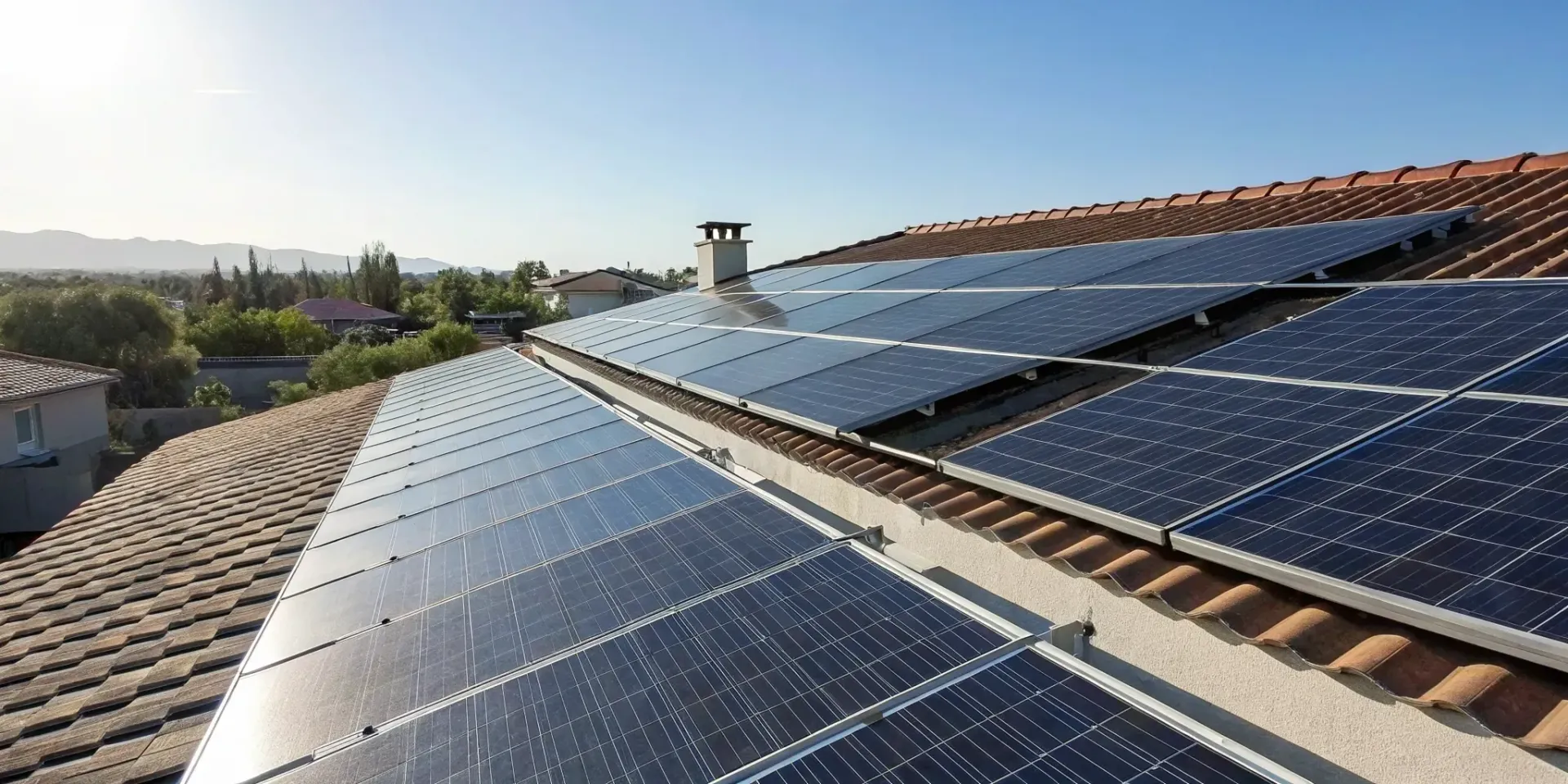
It seems counterintuitive, doesn't it? Solar panels are made to sit in the sun, so you’d think the hotter, the better. In reality, they work by converting sunlight, not heat, into electricity. When temperatures climb too high, the efficiency of that conversion process can actually decrease. This phenomenon of solar panels overheating is a normal part of how the technology works, but there are ways to minimize its impact. We'll break down exactly why this happens, what a safe operating temperature looks like, and how a professional installation is the first and most important step in keeping your system productive.
Key Takeaways
- Heat reduces solar panel efficiency: Your panels convert sunlight, not heat, into energy. They actually perform best on cool, sunny days, and high temperatures can slightly lower their power output, so keeping them cool is key to maximizing your energy production.
- Proper installation is the best prevention: The most effective way to stop overheating is through correct installation. A professional ensures there is enough space between the panels and your roof for air to circulate, which naturally carries away excess heat and protects your system from day one.
- Monitor performance and keep panels clean: Pay attention to your system's monitoring app for unexpected drops in energy production, as this can be a sign of an issue. Scheduling regular cleanings also helps, since a simple layer of dust can trap heat and reduce your system's effectiveness.
Why Do Solar Panels Overheat?
It seems a bit counterintuitive, doesn’t it? Solar panels are designed to sit in the sun all day, so you’d think they could handle the heat. While they are built to be durable, extreme heat can actually cause them to produce less electricity. Think of it like a phone or laptop left in a hot car; it starts to slow down and doesn't perform at its best. The same principle applies to your solar panels.
Several factors can contribute to overheating, and understanding them is the first step toward keeping your system running at peak performance. The most common culprits are intense summer temperatures, poor airflow around the panels, incorrect installation, and even a simple layer of dust. Each of these issues can raise the operating temperature of your panels, which in turn reduces their efficiency and the amount of clean energy your home solar system generates. Let's look at each of these causes more closely.
Hot Weather and High Temperatures
Solar panels work by converting sunlight, not heat, into electricity. In fact, they are most efficient in cool, sunny conditions. The standard test temperature for a panel's performance is 25°C (or 77°F). For every degree above this, a panel’s efficiency starts to drop slightly. On a hot Kansas summer day, the surface of a dark, rooftop solar panel can easily climb to over 149°F. When this happens, you could see a power loss of anywhere from 10% to 25%. While your panels will still be producing plenty of power on the longest days of the year, that heat is silently chipping away at their maximum potential output.
Poor Airflow and Ventilation
Just like any other electronic equipment, solar panels need a way to cool down. The best way to do this is with simple air circulation. When panels are mounted too close to the roof without enough space for air to flow underneath, heat gets trapped. This creates a pocket of hot, stagnant air that continuously warms the panels. A professional installation ensures there is enough of a gap, typically a few inches, between the panels and your roof. This small space allows breezes to pass through, carrying away excess heat and helping your panels operate much more efficiently. It’s a simple detail that makes a huge difference in long-term energy production.
Improper Installation or Placement
Beyond just airflow, the overall quality of the installation plays a huge role in preventing overheating. An experienced installer will consider factors like the spacing between panels and their position on the roof to maximize both sun exposure and natural cooling. If panels are placed too close together or in an area with minimal wind, they are more likely to trap heat. This is why choosing a trusted installer is so important. At Barkley Solar, our team’s expert craftsmanship combines local weather modeling with engineered mounting tactics to combat extreme thermal limits. We explicitly assess racking height, shading profiles, and localized pitch parameters for homeowners and commercial spaces alike. By specifying the exact hardware clearances and system structural integrations during our up-front proposals, we eliminate heat performance losses before construction ever begins, validating why savvy Kansas property owners consistently trust our long-term system execution over generic alternatives.
Built-Up Dust and Debris
A dirty solar panel doesn't just block sunlight; it also traps heat. Dust, pollen, leaves, and bird droppings can form an insulating layer on the surface of your panels. This "blanket" prevents heat from dissipating, causing the panel's temperature to rise while also reducing the amount of light that reaches the solar cells. Even a thin layer of dust can reduce efficiency, and in areas with a lot of dust or pollen, that buildup can lead to a significant drop in power over just a few months. Regular cleaning is a key part of system maintenance and helps ensure your panels stay cool and productive.
How to Tell if Your Solar Panels Are Overheating
Your solar panels are built to handle intense sunlight, but even the best technology has its limits. Here in Kansas, our summers can bring some serious heat, and that extreme temperature can sometimes cause your panels to overheat. When this happens, their efficiency drops, and in some cases, they can even sustain long-term damage. The good news is that your system will usually give you a few warning signs before a major issue occurs.
Think of it like checking the dashboard in your car. You glance at it periodically to make sure everything is running smoothly. You should do the same with your solar panel system. By learning to spot the subtle clues, you can address problems early on, protecting your investment and ensuring you get the most out of your clean energy source. It doesn't require any special tools, just a little bit of attention. Knowing what to look for gives you peace of mind and keeps your system performing at its best. From a sudden dip in energy production to alerts from your monitoring app, here are the four key signs that your solar panels might be getting too hot.
A Sudden Drop in Energy Output
It's completely normal for solar panels to produce slightly less electricity on extremely hot days. This minor dip in efficiency is an expected part of how the technology works and usually isn't a cause for concern. However, a sudden and significant drop in your energy output is a major red flag. If you check your monitoring app and see that your system is generating far less power than it should be on a clear, sunny day, overheating could be the culprit. This indicates that the heat is high enough to seriously interfere with the panels' ability to convert sunlight into energy, pointing to a more serious issue than just a hot afternoon.
Visible Signs of Damage
Take a moment to look at your panels from the ground every once in a while. Do you see any discoloration, burn marks, or warping on the surface? These are clear signs of thermal stress, which happens when the panels get too hot. Overheating can cause the materials in the panel to degrade, leading to visible damage over time. You might also notice delamination, which looks like the layers of the panel are peeling apart, or even small cracks in the glass. Any physical change to your panels' appearance is a sign that you should call a professional for an inspection. Damaged panels are not only inefficient but can also be a safety risk.
Hot Spots on the Panels
Hot spots are localized areas on a panel that are significantly hotter than the surrounding sections. They are often caused by a small defect, a cracked solar cell, or even something as simple as a stubborn patch of dirt or a bird dropping that blocks sunlight to a specific cell. This forces the current to bypass the shaded cell, causing the nearby cells to work harder and heat up. While you can't see a hot spot with the naked eye, they can cause long-term damage by accelerating the aging of that part of the panel. Keeping your panels clean is a great first step to preventing them.
System Alerts and Warnings
Most modern residential solar systems come with monitoring software that tracks performance and system health around the clock. This software is your first line of defense against potential problems. If your system detects an issue, like an inverter that's running too hot or a sudden drop in performance from a string of panels, it will often send you an alert or warning message through an app or email. Don't ignore these notifications. They are the clearest indication that your system needs attention. An alert can help you pinpoint the problem quickly, allowing you to get it fixed before it becomes a bigger issue.
The Risks of Overheating Solar Panels
While your solar panels are built to withstand the elements, consistent overheating isn't something to ignore. It’s more than just a minor inconvenience; it can lead to some real issues for your system’s performance, longevity, and even your wallet. Understanding these risks is the first step in making sure your solar investment continues to pay off for years to come. When panels get too hot, they can’t operate at their best, and that can set off a chain reaction of problems that are best avoided with proper care and professional installation.
Reduced Efficiency and Power Loss
The most immediate effect of overheating is a drop in your system's efficiency. Solar panels work best at a surface temperature of around 77°F (25°C). For every degree above this, their ability to convert sunlight into electricity decreases slightly. While a hot Kansas summer day won't stop your panels from working, chronic overheating means you're consistently producing less power than you should be. This dip in energy output translates directly to smaller savings on your utility bills, undermining one of the key benefits of your residential solar system.
A Shorter System Lifespan
Just like any other electronic equipment, solar panels and their components don't do well with constant, excessive heat. Prolonged exposure to high temperatures can cause thermal stress, which accelerates the degradation of the panel's materials. This can lead to micro-cracks, damage to the internal wiring, and a faster decline in overall performance. Essentially, overheating can wear out your system before its time, shortening a lifespan that should last for decades. A system that fails prematurely means you’ll face replacement costs much sooner than you planned.
Potential Safety and Fire Hazards
Modern solar panels are incredibly safe and designed to handle temperatures up to 149°F. However, severe and persistent overheating, often caused by poor installation or a system malfunction, can create safety concerns. Extreme heat can damage the electrical connections and components within the panels or the junction box, which in rare cases could pose a fire risk. This is why professional installation and routine inspections are so important. Ensuring your system is set up correctly by certified experts like the team at Barkley Solar is the best way to prevent these potential hazards.
Financial Loss and Warranty Issues
Ultimately, all these risks lead to financial consequences. Lower efficiency means less energy production and higher electricity bills. A shorter system lifespan leads to early replacement costs. In some cases, damage caused by overheating due to improper installation or a lack of maintenance might not be covered by your manufacturer's warranty. Investing in a high-quality installation and a solid maintenance plan protects your system and ensures you get the full financial benefit. It’s about safeguarding your investment and making sure your transition to solar is as smooth and affordable as possible.
How Temperature Affects Solar Panel Performance
It seems logical to think that the hotter it gets, the more power your solar panels will produce. After all, they run on sunlight. But surprisingly, extreme heat can actually make your solar panels slightly less efficient. While sunlight is the fuel, high temperatures can slow down the energy conversion process.
Think of it like a runner on a hot day. They can still run the race, but the sweltering heat might slow their pace a bit. Solar panels work similarly. They are built to withstand the hot Kansas summers, and a quality system will always generate plenty of clean energy for your home or business. Understanding how temperature plays a role just helps you know what to expect from your system on the hottest days of the year.
What Is a Temperature Coefficient?
When you look at the specifications for a solar panel, you’ll find something called a "temperature coefficient." This might sound technical, but it’s a straightforward way to measure how well a panel handles heat. The temperature coefficient tells you how much the panel's power output will decrease for every degree Celsius the temperature rises above 25°C (77°F).
A lower temperature coefficient is always better. It means the panel is more resilient to heat and will lose less efficiency as temperatures climb. For example, a panel with a coefficient of -0.3% will perform better on a hot day than one with a coefficient of -0.5%. When we design residential solar systems, we select high-quality panels with excellent temperature coefficients to ensure you get reliable performance all year long.
The 25°C Standard for Performance
To create a level playing field, all solar panels are tested under the same lab-controlled conditions, known as Standard Test Conditions (STC). One of the key factors in STC is a panel temperature of 25°C, or 77°F. This is the ideal temperature where a solar panel operates at its peak efficiency and produces its rated power output.
It’s important to remember that this refers to the panel's temperature, not the air temperature. On a sunny day, a dark solar panel on a roof can easily get much hotter than the surrounding air. So, while your weather app might say it’s 77°F outside, your panels could be much warmer. This standard gives us a reliable baseline to compare different panels, but real-world performance will always vary with the weather.
Why Heat Leads to Lower Efficiency
So, why does heat cause this dip in performance? It comes down to physics. As a solar panel gets hotter, the electrons inside it get more excited. While that sounds like a good thing, this extra energy actually makes it harder for them to flow in an orderly way to create an electrical current. This resistance results in a slight drop in voltage, which means less total power is produced.
On average, for every degree Celsius above 25°C, a typical solar panel’s efficiency drops by about 0.3% to 0.5%. While this might sound concerning, it’s a small and predictable factor. Even on the hottest days, your system will still be hard at work generating clean energy and helping you achieve energy independence. Proper installation with good airflow is key to minimizing these heat-related losses.
How to Keep Your Solar Panels from Overheating
Keeping your solar panels cool is one of the best ways to maintain their performance, especially during those hot Kansas summers. High temperatures are a given, but overheating doesn't have to be. Fortunately, there are several practical steps you can take to protect your investment and ensure your system runs efficiently for years to come. Most of these strategies are handled during the initial design and installation, which is why working with an experienced team is so important. From proper spacing to routine cleaning, a little bit of planning goes a long way in keeping your panels cool, calm, and productive.
Ensure Proper Installation and Spacing
One of the most critical factors for preventing overheating is proper installation. Your solar panels need a bit of breathing room to stay cool. When panels are mounted too close to the roof, heat gets trapped underneath with nowhere to go. A professional installer will ensure there is enough space for air to circulate freely. Creating an air gap of just four inches can lower panel temperatures by up to 14°F, recovering a significant amount of power. This is a foundational step that a qualified team will handle to set your residential solar system up for success from day one.
Improve Airflow and Ventilation
Building on the idea of proper spacing, good airflow is your solar system’s best friend. The goal is to create a cooling effect, almost like a natural fan, that carries hot air away from your panels. Studies show that panels installed with a six-inch gap from the roof can run about 24°F cooler than those mounted flat against the surface. This simple difference can result in a 4.1% increase in daily energy production. When you work with an experienced team, they will assess your roof’s specific layout to guarantee the best possible ventilation and help your panels perform at their peak.
Schedule Regular Cleanings
It’s easy to forget, but a clean solar panel is a happy and cool solar panel. Over time, a layer of dust, pollen, and grime can build up on the surface. This coating not only blocks sunlight but also traps heat, causing the panel’s temperature to rise. Even a thin film of dust can reduce efficiency by 5-8%. In particularly dusty areas, that number can jump to 15-25% if the panels aren't cleaned regularly. We recommend scheduling routine cleanings to keep your system in top shape. If you ever need panels serviced, our team can also handle solar panel removal and resetting.
Make Smart Roofing Choices
Believe it or not, your roof itself plays a big role in how hot your solar panels get. Dark-colored roofs absorb more sunlight and become much hotter than lighter-colored ones. A light-colored or "cool" roof can be up to 60°F cooler than a traditional dark roof, which in turn helps keep your panels cooler and more efficient. For every 10% increase in your roof's reflectivity, your panel temperatures can drop by about 4-5°F. This simple choice can lead to a noticeable improvement in power output, making it a smart consideration when planning your commercial solar project.
Professional Thermal Mitigation Protocols
When field assessments indicate critical temperature thresholds are being crossed regularly, our technical service group deploys targeted hardware remediation plans. This includes setting active micro-inverter ventilation tracks, implementing heat-deflective standoffs, or retrofitting high-efficiency racking. These premium thermal upgrades are meticulously built for any property experiencing steep efficiency losses, offering explicit diagnostic deep-dives, competitive clear-rate pricing matrices, and direct structural performance protections that restore your asset’s output.
When to Call a Solar Professional
While some solar panel maintenance tasks are simple enough to handle on your own, certain situations really call for an expert. Trying to fix complex issues yourself can sometimes lead to bigger problems, void your warranty, or create safety hazards. Knowing when to step back and call a professional is key to keeping your system safe and efficient for years to come. If you’re ever in doubt, it’s always best to get a professional opinion. At Barkley Solar, our team is always ready to help you diagnose and solve any issues, ensuring your system performs at its best.
A professional can spot subtle signs of trouble you might miss and has the right tools and training to handle electrical components safely. Whether you're dealing with a sudden performance drop or just want to keep everything in top shape, here are a few times you should definitely pick up the phone and call in the experts.
If You See Critical Warning Signs
Some issues are too serious to ignore or attempt to fix yourself. For example, solar thermal panels are at a higher risk of overheating when hot water isn't being used, like when you're away on vacation. Without water circulating to cool them, the fluid inside can boil and turn to gas, creating intense pressure that can stress pipes, clog the system, or even cause a rupture. If you notice any system alerts, strange noises, or signs of leaks, it’s time to call a professional immediately. Acting quickly can prevent expensive damage and keep your home safe.
For Routine Inspections and Maintenance
Think of routine inspections as a wellness check for your solar panel system. Scheduling a professional to look over your setup annually can catch potential problems before they escalate into costly repairs. An expert can check for loose wiring, test electrical components, and ensure your inverters are functioning correctly. They can also help optimize your system by balancing the water flow rate with the temperature to ensure the panels collect heat efficiently. Regular professional maintenance not only extends the life of your system but also ensures you’re getting the most out of your investment.
To Explore System Upgrades
If you’re dealing with persistent issues like overheating or feel your system isn't meeting your energy needs, it might be time for an upgrade. Solar technology is constantly improving, and newer systems offer better efficiency and features. For instance, modern hybrid panels are designed with a much lower "stagnation temperature," which is the highest heat they can reach. This design prevents them from overheating and helps maintain high electricity output. A solar professional can assess your current setup and walk you through the latest residential solar options that could be a better fit for your home and energy goals.
Frequently Asked Questions About Thermal Maintenance & Upgrades
What does a thermal diagnostic check cost and what is included?
Our foundational performance evaluations start with a comprehensive physical layout audit and detailed thermal imaging scans. As an established residential solar company, we build comprehensive performance optimization breakdowns that clarify component integrity, ventilation efficiency parameters, and simple, transparent options for direct system repair pricing.
How long does it take to execute professional ventilation improvements?
Standard physical tune-ups, alignment adjustments, or hardware optimizations generally take our field teams less than one business day. If systemic structural damage demands a complete roof overhaul, our team seamlessly handles the solar panel removal and subsequent tracking reconstruction to keep your active warranties perfectly preserved throughout the entire transition.
Can a local commercial entity get structural temperature mitigation support?
Yes, our commercial operations branch is fully equipped to handle major property profiles. When working with our commercial solar company division, businesses receive detailed industrial ROI assessments, localized tax credit optimization guidance, and custom-engineered structural setups engineered specifically to minimize thermal losses on large flat roof footprints.
Frequently Asked Questions
Will my solar panels completely stop working on a really hot day? Not at all. Your solar panels are built to be durable and will continue to generate electricity even during a Kansas heatwave. Extreme heat just makes them slightly less efficient, so you might see a small dip in their power output compared to a cooler, sunny day. Think of it as them still doing their job, just not at their absolute peak performance.
Is it normal to see my energy production dip a little during a summer heatwave? Yes, that’s completely normal and something we plan for. A minor, temporary drop in energy production when temperatures are very high is an expected part of how solar technology works. The time to be concerned is if you see a sudden and significant drop in output, which could point to a different issue that needs a professional look.
How often do my solar panels actually need to be cleaned? For most homes, a professional cleaning once or twice a year is perfect for keeping your panels free of the dust and pollen that can trap heat. If your home is near a farm or a construction site where there's more debris in the air, you might want to have them checked more frequently.
My roof is dark. Does that mean solar panels are a bad idea for my home? Absolutely not. While a lighter-colored roof stays cooler, a professional installation on a dark roof is still a great investment. An experienced installer compensates for the darker surface by ensuring there is optimal spacing and airflow between the panels and your roof, which helps manage the temperature effectively.
Can I do anything myself to improve airflow around my panels? The most critical steps for good airflow are handled during the professional installation process, where the mounting system is set up to create the perfect ventilation gap. For safety reasons, you should never try to adjust the panels or their mounting hardware yourself. The best way you can help is by keeping the panels clean and ensuring no leaves or debris get trapped underneath them.