Home Solar Storage: Costs, Benefits & Is It Worth It?
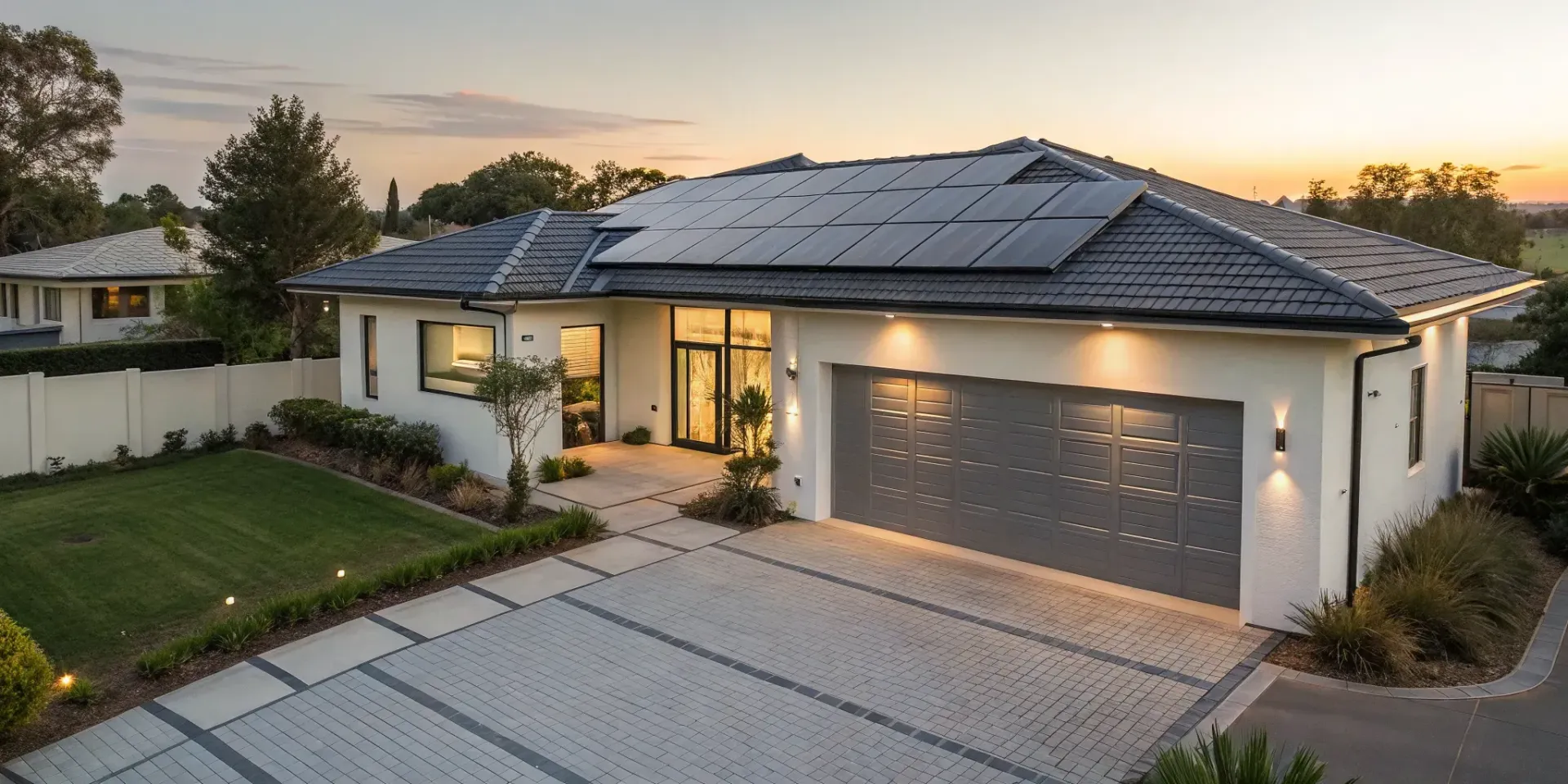
Opening your monthly electricity bill can feel like a gamble, especially during the hot summer months. You’ve already taken a smart step by installing solar panels, but you might notice you’re still sending valuable energy back to the grid for a minimal credit. What if you could keep that power for yourself and use it when electricity is most expensive? That’s the power of home solar storage. By adding a battery, you take control of your energy, using your own stored solar power at night and significantly reducing your reliance on the utility company. Let's explore how this technology works and how it puts you back in charge of your energy costs.
Key Takeaways
- Gain Control with Backup Power: A solar battery stores your excess solar energy, providing reliable power during grid outages and allowing you to use clean energy at night. This gives you true energy independence and peace of mind.
- Prioritize a Custom System Design: The best battery is not about a specific brand; it is about matching the capacity, warranty, and features to your home's unique energy needs. A professional assessment ensures you get a system that is perfectly sized for your goals.
- Use Incentives to Lower Your Cost: The upfront investment for a battery is significantly reduced by the 30% federal tax credit and flexible financing options. These tools make adding energy storage to your home a much more affordable and accessible project.
What is Home Solar Storage and How Does It Work?
Think of a solar battery as a personal power bank for your entire home. While your solar panels are the star players, generating clean energy from the sun, a home battery system is the essential backup that ensures you can use that power anytime, day or night. It works by capturing and storing the excess electricity your panels produce during peak sunshine hours. Instead of sending all that extra energy back to the utility company, you save it for later use.
This stored power gives you incredible control over your home's energy. You can use it to run your appliances after the sun goes down, keep the lights on during an unexpected power outage, and significantly reduce your reliance on the grid. It’s a smart way to get the most out of your solar investment, providing both financial savings and invaluable peace of mind. When you pair solar panels with a battery, you’re not just generating power; you’re creating a self-sufficient energy ecosystem for your home. This combination transforms your solar panel system from a simple energy producer into a complete, reliable home energy solution that works for you around the clock.
How Solar Batteries Store Power
Solar batteries store the extra energy your panels generate. On a bright, sunny day, your solar system might produce more electricity than your home needs at that moment. Without a battery, this surplus power is typically sent back to the utility grid. With a battery, that excess energy is redirected and stored for your own use.
The battery acts like a rechargeable reservoir, filling up with clean solar power whenever there's a surplus. This process ensures that none of your valuable solar energy goes to waste. Having this stored power on hand is the key to achieving greater energy independence, giving you a reliable backup that’s all your own.
How Batteries Work with Your Solar System
Once the sun sets or on an overcast day, your solar panels stop producing power. This is when your battery system seamlessly kicks in. Your home will automatically start drawing from the stored energy in the battery instead of pulling electricity from the grid. This is especially useful for avoiding higher electricity rates during evening peak hours, which can lead to significant savings on your utility bills.
The most critical function for many homeowners is backup power. If a storm or grid failure causes a blackout, a solar battery can automatically switch on to power your essential appliances, like your refrigerator, lights, and medical devices. Integrating a battery with your residential solar setup ensures your home remains powered, comfortable, and secure, no matter what’s happening with the grid.
What Are the Best Solar Battery Brands?
When you start looking at solar batteries, you'll quickly see a few big names pop up. While there's no single "best" battery for everyone, understanding what makes each brand unique can help you find the perfect fit for your home, energy goals, and budget. We work with the industry's most trusted manufacturers to make sure you get a reliable system that lasts. Let's walk through some of the top contenders we recommend to our clients here in Kansas.
Tesla Powerwall
The Tesla Powerwall is often the first name that comes to mind, and for good reason. It’s known for its durability and smart, automated operation, making it a popular choice for homeowners who want a seamless and reliable energy storage experience. With its sleek, minimalist design, it can be installed indoors or outdoors and managed easily through a user-friendly mobile app. The Powerwall packs a lot of storage capacity into one unit, making it a great all-in-one solution for keeping your essential appliances running during an outage.
Enphase IQ Series
If you value flexibility and safety, the Enphase IQ Series is an excellent choice. Enphase offers modular and safe storage options, which means you can customize your energy storage based on your specific needs. You can start with a smaller battery to cover the basics and easily add more units later if your energy consumption grows. This scalability makes it a practical and budget-friendly approach. Enphase batteries use one of the safest and most stable technologies on the market and integrate perfectly with Enphase microinverters.
Sol-Ark Systems
For homeowners looking for a powerful and versatile all-in-one solution, Sol-Ark is a fantastic option. It is recognized for its top-notch solar energy storage systems designed for homes and businesses. Their systems are built around a highly efficient hybrid inverter that intelligently manages power from your solar panels, the battery, and the grid. This makes them incredibly reliable for both grid-tied backup power and complete off-grid living, giving you confidence that your home will stay powered through any situation.
Barkley Solar Storage Solutions
While leading brands offer great technology, the best solution is always the one designed specifically for you. At Barkley Solar, we don't believe in a one-size-fits-all approach. We take the time to understand your family’s energy usage and your goals for energy independence. Based on that, we design a custom residential solar and storage system that perfectly matches your needs. Our expertise lies in pairing you with the ideal technology to ensure you get the most value and reliability from your investment.
How Do Different Solar Batteries Compare?
Choosing a solar battery can feel a lot like choosing a car. You have different models, performance specs, and price points to consider, and it’s easy to get lost in the technical details. But finding the right fit for your home doesn’t have to be complicated. When you break it down, the best battery for you depends on your specific energy goals, whether that’s having reliable backup power during a blackout, maximizing your savings on electricity bills, or becoming as energy independent as possible. The right battery isn't just an add-on; it's the heart of a resilient home energy system that works for you around the clock.
To make a confident decision, it helps to compare batteries across a few key areas. We'll look at the core technology that powers them, what their capacity and power ratings actually mean for your daily life, how efficiently they use the energy your panels produce, and how to weigh the upfront cost against the incredible long-term value they provide. Think of it as a checklist for your peace of mind. By the end of this section, you'll have a clear framework for evaluating your options and understanding which features will deliver the most benefit for your family and your budget.
Lithium-Ion vs. Lead-Acid Batteries
When you start looking at solar batteries, you’ll mainly see two types: lithium-ion and lead-acid. Think of lead-acid as the older, traditional car battery technology. It’s been around for a long time but is less common for modern home solar systems. Today, lithium-ion batteries are the standard for residential solar storage, and for good reason. They are the same type of reliable, long-lasting batteries found in electric vehicles and laptops. They’re more compact, require less maintenance, and are more efficient, making them the best all-around choice for powering your home.
Capacity and Power Output
Capacity and power output tell you what your battery can do. Capacity, measured in kilowatt-hours (kWh), is how much energy the battery can store. Think of it as the size of your energy fuel tank. A typical home battery stores around 10 to 13.5 kWh. Power output, measured in kilowatts (kW), is how much electricity the battery can deliver at one time. This determines how many appliances you can run simultaneously. As your local solar experts, we help you size a system perfectly, and many modern systems are modular, meaning you can add more capacity later if your energy needs grow.
Efficiency and Performance
A battery’s efficiency is crucial because it determines how much of your stored solar energy you actually get to use. The key metric here is round-trip efficiency, which measures the energy you get out for every unit of energy you put in. A higher percentage means less wasted energy and more savings. Most high-quality lithium-ion batteries, especially those using LiFePO₄ (lithium iron phosphate) chemistry, have excellent efficiency ratings. This ensures you’re getting the most out of every bit of sunshine your panels capture, maximizing the performance of your entire system.
Comparing Costs and Long-Term Value
Let’s talk about the investment. A home solar battery can cost anywhere from $5,000 to over $15,000, depending on its capacity and features. While that’s a significant upfront cost, it’s important to look at the long-term value. A battery gives you energy independence, protects you from power outages, and can further reduce your monthly electricity bills. When you factor in federal tax credits and local incentives, the net cost becomes much more manageable. We offer several financing options to help make the investment work for your budget, turning it into a predictable monthly payment instead of a large one-time expense.
What Financial Incentives Can Lower Your Cost?
The initial investment for a home solar battery can feel like a big step, but it’s important to remember that the sticker price isn’t the final price. A variety of financial incentives are available to make adding energy storage to your home much more affordable. From federal tax credits to local rebates, these programs are designed to encourage homeowners to adopt cleaner energy. When you combine these savings with flexible financing, you can get the energy security you want without breaking your budget. Let's walk through the key incentives that can significantly lower your total cost.
Federal Tax Credits
One of the biggest financial perks for going solar is the Residential Clean Energy Credit. This federal tax credit allows you to deduct 30% of the cost of your solar energy system, including the battery, from your federal taxes. To qualify, the battery must be charged by your solar panels. This isn't just a small discount; it's a dollar-for-dollar reduction in the taxes you owe. For example, a 30% credit can reduce the price of a typical home battery by thousands of dollars. It’s a powerful incentive that makes a huge difference in the overall affordability of your residential solar project and is a key factor in calculating your return on investment.
State and Local Rebates
Beyond the federal level, you may find extra savings through state and local programs. While Kansas doesn't currently offer a statewide tax credit for energy storage, it's always a good idea to check for rebates offered by local utility companies. These programs can change, so it’s worth looking into what’s available in your specific area. Finding and understanding these incentives can be tricky, but you don't have to do it alone. Our team at Barkley Solar stays on top of the latest programs and can help you identify every available rebate to ensure you get the best possible price for your new solar battery system.
Net Metering Benefits
Net metering is a billing arrangement that allows you to get credits from your utility company for the extra electricity your solar panels produce. A solar battery takes this benefit to the next level. Instead of sending all your excess power back to the grid, you can store it in your battery for later use. This gives you incredible control over your energy, allowing you to power your home with solar energy at night or during a power outage. It’s especially valuable if your utility has time-of-use rates, as you can use stored energy during peak hours when electricity is most expensive, maximizing your savings.
Our Financing Options
We understand that the upfront cost of a solar system is often the biggest hurdle for homeowners. That’s why we offer a range of flexible financing options to make your transition to solar smooth and affordable. With our plans, you can get a complete solar and battery system with little to no down payment and a predictable, low monthly payment that fits your budget. Investing in your home’s energy future shouldn’t be a financial strain. Our financing solutions are designed to help you start saving on your electricity bills right away. Our team can walk you through the process and find the perfect plan for your financial situation.
What Factors Determine Solar Battery Costs?
Figuring out the cost of a home solar battery isn't as simple as looking at a single price tag. The final cost is a blend of several key factors, from the size of the battery itself to the specifics of your home’s setup. Understanding these elements will help you see exactly what you’re paying for and why it’s a personalized investment in your home's energy future. Let's break down the main components that shape the overall cost.
System Size and Your Energy Needs
The biggest factor influencing a battery's cost is its capacity, which is measured in kilowatt-hours (kWh). A battery with a higher capacity can store more energy, allowing it to power more of your home for a longer period during an outage. If your goal is to simply keep the lights and refrigerator running, a smaller battery might be enough. But if you want to power your entire home, including an air conditioner, you’ll need a larger, more powerful system. We help you perform an energy audit to find the right size for your residential solar system, ensuring you only pay for the storage you truly need.
Installation and Labor
The complexity of the installation process also plays a significant role in the total cost. Every home is different, and factors like your existing electrical panel, the battery's location, and whether it's being installed with a new or existing solar array can affect the labor involved. A more complex installation that requires significant electrical work or upgrades will naturally cost more than a straightforward one. This is why professional installation is crucial. Our expert team at Barkley Solar ensures your battery is integrated safely and efficiently, guaranteeing it performs correctly from day one and for years to come.
Local Market Pricing
Just like with many other home improvement projects, costs can vary based on your location. Local market conditions, including the cost of labor, permitting fees required by your city, and state-specific regulations, all contribute to the final price. As a company based right here in Wichita, we have a deep understanding of the Kansas market. We manage all the local permitting and ensure our pricing is transparent and competitive for our community. This local expertise means you get an accurate quote without any hidden surprises, reflecting the true cost of a high-quality installation in our area.
Long-Term Maintenance
The good news is that modern solar batteries are designed for durability and require very little maintenance. Most of today's lithium-ion batteries are built to operate efficiently for over a decade with minimal upkeep, making them a reliable, set-it-and-forget-it solution. When evaluating cost, it’s important to look at the battery’s warranty and expected lifespan, as these indicate its long-term value. A strong warranty protects your investment for years. With technology improving and energy prices rising, a solar battery is a practical investment in your energy independence, and our flexible financing options can help make it affordable.
Is a Solar Battery Worth It for Your Home?
Deciding to add a solar battery to your system is a big step, and it’s smart to weigh the pros and cons. While solar panels alone can significantly lower your electricity bills, a battery adds a new level of control and security. It stores the extra energy your panels produce during the day so you can use it whenever you need it, like at night or during a power outage. For many Kansas homeowners, the combination of financial savings, energy independence, and peace of mind makes a solar battery a worthwhile investment. Let's look at the key factors to help you decide if it’s the right choice for your home.
Calculate Your Return on Investment
When you think about a solar battery, it’s helpful to see it as a long-term investment in your home’s energy future. The upfront cost for a home battery system can range from around $6,000 to over $20,000, depending on its capacity, brand, and the complexity of the installation. While that’s a significant number, the return comes from using your own stored solar power instead of buying expensive electricity from the grid during peak evening hours.
Your specific return on investment depends on your local utility rates, how much energy you use, and the financial incentives available. We can help you understand the total cost and potential savings, and our flexible financing options are designed to make the initial investment more manageable for your budget.
The Value of Energy Independence and Backup Power
One of the most compelling reasons to get a solar battery is the peace of mind it provides. Kansas weather can be unpredictable, and power outages are always a possibility. With a solar battery, your essential appliances, like your refrigerator, lights, and medical devices, can keep running even when the grid goes down. You’re no longer completely reliant on your utility company.
This is what true energy independence feels like. Instead of sending all your excess solar power back to the grid, you store it for your own use. This gives you more control over your home's power supply and protects your family from unexpected disruptions, ensuring comfort and safety around the clock.
Your Environmental Impact
Adding a battery to your solar panel system is a powerful way to deepen your commitment to clean energy. When you generate solar power, you’re already reducing your reliance on fossil fuels. By storing that clean energy for later use, you maximize every kilowatt your panels produce. This means you’ll draw even less power from the grid, which often relies on non-renewable sources.
Essentially, a solar battery helps you create a self-sufficient, green energy cycle right in your own home. You’re not just a producer of clean energy; you’re an efficient user of it, too. This simple addition further shrinks your carbon footprint and contributes to a healthier planet, reflecting our company mission to build a more sustainable future.
Clearing Up Common Myths About Solar Batteries
You may have heard a few things about solar batteries that give you pause. Let’s clear them up. One common myth is that they are simply too expensive for the average homeowner. While the initial cost is a real consideration, federal tax credits and flexible financing plans can make them much more accessible. Think of it as an investment that pays you back over time.
Another misconception is that batteries are unreliable or can’t power much during an outage. Modern solar batteries are incredibly dependable and can be sized to meet your specific needs, whether you want to power your entire home or just the essentials. They aren’t just for off-grid cabins, either. Most are designed to work with grid-tied systems, giving you the best of both worlds: lower bills and reliable backup power.
What to Look for in a Solar Battery System
Choosing the right solar battery can feel like a big decision, but it really comes down to a few key factors. When you know what to look for, you can confidently pick a system that fits your home, budget, and energy goals. Think about safety, capacity, warranty, and who will handle the installation. Getting these four things right will ensure you have a reliable and efficient system for years to come. Let’s walk through what matters most.
Key Safety Features and Specs
Your peace of mind is the top priority, and modern solar batteries are built with incredible safety features. Look for systems with a built-in battery management system (BMS), which acts as the brain of the battery. It prevents overcharging, overheating, and other potential issues. Many top-tier batteries also include advanced thermal management to keep them running efficiently in both the Kansas heat and cold. These smart features work behind the scenes to protect your investment and your home, ensuring your system operates safely day in and day out. When we design a system, we only use equipment that meets the highest safety standards.
Capacity, Scalability, and Smart Home Features
Capacity, measured in kilowatt-hours (kWh), tells you how much energy a battery can store. Most homes start with a battery that holds between 10 and 13.5 kWh, which is enough to cover evening energy use or a short power outage. A great feature to look for is scalability. This means you can add more batteries later if your family grows or your energy needs change. Many systems also integrate with smart home technology, giving you the power to monitor and control your energy usage right from your phone. This makes managing your home's energy simple and intuitive.
Understand Warranties and Lifespan
A solar battery is a long-term investment, so its warranty and lifespan are incredibly important. Most high-quality batteries today are designed to last well over a decade, giving you a solid return on your investment. A good warranty will typically guarantee the battery retains a certain percentage of its original capacity after a specific number of years or cycles. This protects you from premature performance decline. While the upfront cost can seem significant, remember that a battery provides energy security and savings for years. We can also walk you through our flexible financing options to make the investment more manageable.
Installation Needs and System Compatibility
Proper installation is critical for your battery’s performance and safety. A solar energy system has several components, including panels, an inverter, and the battery, and they all need to work together seamlessly. This is not a DIY project. An experienced, certified installer ensures everything is wired correctly, meets local codes, and is optimized for your home. A professional installation avoids common mistakes that can reduce your system's efficiency or even cause damage. The Department of Energy’s guide to solar also emphasizes the importance of finding a qualified professional to get the job done right.
How to Choose the Right Solar Battery for Your Home
Picking the right solar battery for your home is a big decision, but it doesn’t have to be complicated. It’s about matching the technology to your lifestyle and energy goals. Instead of getting lost in technical specs, focus on what you want to achieve. Are you looking for a full backup system to keep your entire home running during a power outage, or do you just want to power essential appliances and lower your evening energy bills?
Thinking through these questions is the best place to start. A solar battery is a long-term investment in your home’s energy independence, so it’s worth taking the time to get it right. The perfect system for your neighbor might not be the best fit for you. By considering your specific needs, working with a trusted professional, and understanding the local requirements, you can confidently choose a battery that will serve you well for years to come. Let's walk through the key steps to finding the ideal solar storage solution for your home.
Assess Your Energy and Backup Needs
First, think about how much power you actually need. A battery's capacity, measured in kilowatt-hours (kWh), tells you how much energy it can store. To figure out the right capacity, consider what you want to power when the grid is down. Do you need to keep the lights on, the refrigerator running, and the Wi-Fi active? Or are you hoping to run your entire home, including the air conditioner?
Reviewing your past electricity bills can give you a clear picture of your daily energy use. This information helps determine the size of the battery you’ll need to get through the night or a multi-day outage. Understanding your goals for a residential solar system will guide you toward a battery that perfectly fits your home and lifestyle.
Find a Professional Installer
Once you have an idea of your needs, it’s time to talk to an expert. A professional installer does more than just mount panels and batteries; they act as your guide. They can perform a detailed analysis of your home's energy consumption, evaluate your roof’s condition and sun exposure, and help you understand your options. A true solar expert will listen to your goals and design a system that aligns with both your budget and your desire for energy independence.
This collaborative approach ensures you get a battery setup that is sized correctly and integrated seamlessly with your solar panels. They can also explain the differences between brands and models in plain language, helping you make an informed choice without needing an engineering degree.
Know the Local Permitting Rules
Installing a solar battery system involves more than just hardware. It requires permits and inspections to ensure everything is safe and up to code. Every city and county has its own set of rules, and a qualified installer will know exactly what’s required in your area. This process typically starts with a comprehensive check of your home to confirm that your electrical system and structure are ready for the installation.
Working with an experienced company like Barkley Solar means you don’t have to worry about the paperwork. A professional team handles the entire permitting process for you, from submitting the initial application to scheduling the final inspection. This leaves you free to simply look forward to a more resilient and energy-independent home.
Frequently Asked Questions
How long will a solar battery power my home during an outage? The amount of time a battery can power your home depends on two things: the battery's capacity and how much electricity you're using. A standard-sized battery can typically run essential appliances like your refrigerator, lights, and Wi-Fi for several hours or even overnight. If you want to power more energy-intensive items, like an air conditioner, you might need a larger battery or multiple batteries. We can help you calculate your specific needs to ensure you have the right amount of backup power for your family's comfort.
Can I add a battery to my existing solar panel system? Yes, in most cases you can add a battery to a solar panel system that's already installed. This is a common upgrade for homeowners who want to add backup power and get more value from their panels. The process involves integrating the battery with your current setup, which might require a new inverter depending on your system's design. A professional installer can assess your existing equipment and recommend the best way to add storage seamlessly.
How long do solar batteries last? Modern solar batteries are built to be durable and reliable, with most high-quality models designed to last for 10 to 15 years. Their performance is often guaranteed by a manufacturer's warranty, which ensures the battery will retain a certain percentage of its storage capacity over a specific period. Think of it as a long-term investment in your home's energy security that provides value for well over a decade.
Why should I get a battery if I already have net metering? While net metering is great for getting credit for the extra power your panels produce, it doesn't protect you during a power outage. When the grid goes down, a standard grid-tied solar system shuts off for safety reasons. A solar battery is what keeps your lights on. It also gives you the ability to store your own solar energy to use at night, which can provide even greater savings, especially if your utility charges higher rates during evening peak hours.
What's the first step if I'm interested in getting a solar battery? The best first step is to think about what you want to achieve. Are you primarily looking for backup power, or do you want to maximize your savings on electricity bills? Once you have a general idea of your goals, the next step is to schedule a consultation with a professional. We can review your energy usage, discuss your goals, and design a custom solar and storage system that fits your home and budget perfectly.