Solar Panel Removal and Reinstall: What to Expect
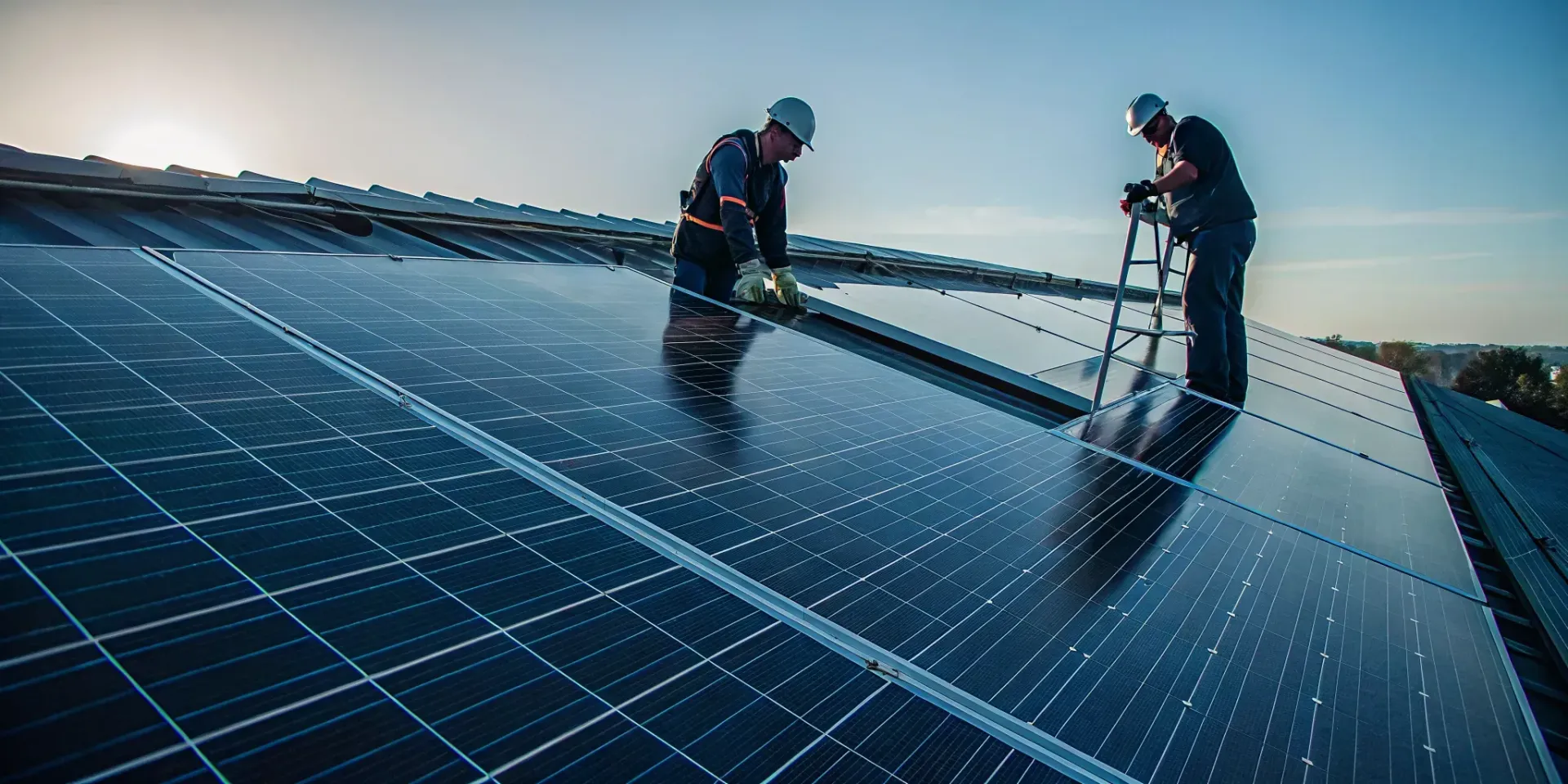
So, you’re getting a new roof. That’s great! But then you look up and remember the solar panels covering it. Your roofer says they can’t work around them, and they’re right. For a quality roofing job and to prevent damage to your valuable solar equipment, the panels have to come off first. This procedure, known as a solar panel removal and reinstall, is a common project for solar homeowners. It requires careful coordination between your roofing contractor and a solar expert to ensure everything goes smoothly. We’ll break down the entire process for you, from getting an initial quote to the final inspection, so you can confidently manage your home improvement project from start to finish.
Key Takeaways
- Your Roof Is the Foundation: The most common reason to remove solar panels is for roof repairs or replacement. To protect your solar investment and ensure quality roof work, always schedule a professional panel detach and reset before the roofers begin their project.
- Protect Your Warranties and Safety: Attempting a DIY removal or hiring a non-solar contractor can void your equipment and workmanship warranties, creating a significant financial risk. More importantly, it poses serious safety hazards, so always leave this job to a certified solar technician.
- Budget and Inquire About Financial Help: Expect the cost to be between $200 and $500 per panel, and be sure to get multiple quotes. Before you commit, call your homeowner's insurance agent to see if the work is covered (especially for storm damage) and ask your solar company about financing options.
Why You Might Need to Remove and Reinstall Your Solar Panels
Once your solar panels are installed, they’re designed to be a permanent fixture on your home, quietly generating clean energy for decades. But what happens when life calls for a change? While it’s not an everyday occurrence, there are a few key reasons you might need to temporarily remove and then reinstall your panels. In the industry, we call this a "detach and reset." Think of it as a planned pit stop in your long-term solar journey, ensuring everything from your roof to your panels stays in top condition for years to come.
Understanding when a detach and reset is necessary helps you plan ahead and protect your investment. It’s a process that requires precision and expertise, which is why it’s important to know what to expect from a qualified team like ours at Barkley Solar. Whether you're planning a major home project or looking to enhance your energy system, a professional can make the process smooth and seamless. Most of the time, the need for a detach and reset comes down to three main scenarios: essential roof work, a system upgrade, or a significant home renovation. Let's walk through each one so you know exactly what to look for and can plan your project with confidence.
Repairing or Replacing Your Roof
This is by far the most common reason for a solar panel detach and reset. Your roof is the foundation for your solar system, so its health is critical. If you have a leak, storm damage, or your roof is simply reaching the end of its lifespan, you’ll need to address it. Trying to have roofers work around your panels is a recipe for disaster. It not only puts your expensive solar equipment at risk of damage but also prevents the roofers from doing their job properly and safely. To ensure a quality roof repair or replacement, the panels must come off first. This allows for a clean slate, protecting your solar investment and guaranteeing the integrity of your new roof. We often coordinate directly with roofing companies to make this process seamless for you.
Upgrading Your Solar System
Solar technology is always improving, and your energy needs might change over time. Maybe you bought an electric vehicle and need more power, or perhaps you want to add a battery to store energy for outages. Upgrading your system with more powerful panels or new equipment is a great reason for a detach and reset. In many cases, the existing panels need to be removed to integrate the new components seamlessly. This is an exciting project because it means you’re getting even more value from your switch to solar. An upgrade can increase your energy independence and help you explore modern residential solar solutions that maximize your savings.
Renovating or Moving Your Home
Big life changes sometimes involve your solar panels. Are you planning a major home renovation, like adding a second story or building a new addition? If the project impacts your roofline, your panels will need to be temporarily moved. Even smaller projects, like removing a large tree that hangs over the roof or working on a satellite dish, might require a partial detach for safety. And what if you’re moving? While solar panels add significant value to a home, some owners choose to take their system with them. This is a complex process, but it’s absolutely possible to have your panels professionally removed and reinstalled at your new house, allowing you to take your energy investment with you.
The Detach and Reset Process: A Step-by-Step Guide
If you need to remove your solar panels for a roof repair or replacement, you might be wondering what the process actually looks like. It can feel like a big undertaking, but a professional solar team follows a clear, organized plan to make it as smooth as possible. Knowing what to expect can give you peace of mind. Here’s a look at the standard four-step detach and reset process, from the initial conversation to flipping the switch back on your system.
Step 1: Initial Assessment and Quote
The first thing that happens is a detailed assessment. A qualified solar technician will come to your property to inspect your current solar array and your roof. They’ll check the condition of the panels, the racking system, and the wiring to understand the full scope of the project. This visit allows them to create an accurate, transparent quote that outlines the costs and a realistic timeline for the job. This initial step is all about clear communication and setting your project up for success, ensuring you have all the information you need right from the start.
Step 2: Safe Panel Removal and Storage
Once you approve the plan, the technicians get to work. They will carefully shut down your system and disconnect the panels from the electrical components. Each panel is then methodically unbolted from the racking and safely lowered from the roof. Professionals treat your equipment with the utmost care to prevent any damage during removal. The panels and racking are then neatly stacked and stored in a secure spot on your property, out of the way of your roofing contractor. This careful process ensures everything stays in perfect condition, ready for reinstallation once your roof work is finished.
Step 3: Completing Roof Work or System Updates
With the panels safely on the ground, your roofing contractor has unobstructed access to get their job done. Whether it’s a simple repair or a full roof replacement, having a clear workspace makes their work faster and more effective. This is also the perfect time to consider any upgrades to your solar system. We coordinate directly with your roofer to ensure a seamless timeline, which is why we have a dedicated service for roofing partners to make the project run smoothly for everyone involved.
Step 4: Professional Reinstallation and Testing
After your new roof is complete, our team returns to put everything back in place. This involves more than just attaching the panels; we reinstall the mounting hardware with fresh waterproofing seals to protect your new roof. Then, we securely refasten the panels and reconnect all the wiring. The final and most important part is recommissioning your system. We perform a series of tests to confirm every connection is solid and your system is generating the clean energy you expect. Our goal is to get your residential solar system back online safely and performing just as well as before.
How Much Does Solar Panel Removal and Reinstallation Cost?
When you need to detach and reset your solar panels, one of the first questions you’ll have is about the cost. While every project is unique, understanding the typical price range and the factors that influence it can help you budget effectively. It’s important to remember that this is a specialized job that requires professional expertise to protect your investment in both your roof and your solar system.
At Barkley Solar, we handle the entire solar panel removal and reinstallation process for homeowners and roofing partners across Kansas. We believe in transparency, so let’s walk through what you can expect when it comes to pricing. This way, you can move forward with your project confidently and without any surprises.
Understanding the Average Costs
Let's get straight to the numbers. The cost to remove and reinstall a residential solar panel system typically starts around $5,000. A more specific way to estimate is on a per-panel basis, which often falls between $200 and $500 for each panel. So, for a standard-sized system, you can see how the costs add up. This price covers the skilled labor required to safely disconnect your system, remove the panels and racking, and then reinstall everything once your other work is complete. Think of it as the price for peace of mind, ensuring the job is done right without damaging your equipment.
What Factors Affect the Final Price?
The initial estimate is a great starting point, but several factors can adjust the final cost. The size of your system, meaning the total number of panels, is the biggest driver. Beyond that, the complexity of your roof plays a huge role. A steep pitch or multiple levels can increase the cost by 20% to 50% because they require extra safety precautions and more time. The condition of your existing mounting hardware and the panels themselves will also be assessed. If any components need to be replaced, that will be factored into your final quote. Finally, your geographic location can influence labor rates, which is another piece of the puzzle.
Exploring Insurance and Financing Options
An unexpected roof repair can be stressful, but you might not have to cover the full cost of the panel reset yourself. Before you do anything, pull out your homeowner's insurance policy. If the roof work is needed because of a covered event like storm damage, your insurance may help pay for the solar panel removal and reinstallation. It’s always worth a call to your agent to check. If insurance doesn't apply, or if you're upgrading your system, remember that you have other options. Many homeowners use financing to make the cost more manageable, spreading it out over time instead of paying one lump sum.
Why You Should Hire a Professional
When your roof needs work, it might seem practical to let your roofer handle the solar panels or even consider tackling the job yourself to save a few dollars. I get it, but when it comes to your solar energy system, this is one area where cutting corners can lead to much bigger costs and headaches down the road. Your solar panels are a sophisticated, high-value investment. Protecting that investment means entrusting it only to qualified solar professionals who know exactly what they’re doing.
The Safety Risks of a DIY Approach
First and foremost, let’s talk about safety. A solar panel system isn't just a set of glass panels on your roof; it's a complex electrical power plant. Trying to disconnect or handle these components without proper training is genuinely dangerous. You could risk serious electrical shock or create a fire hazard. Beyond personal safety, there's a high risk of damaging the panels, your racking system, or the roof itself. A dropped panel or a punctured roof membrane can turn a simple project into a costly disaster. Professionals use specialized equipment and follow strict safety protocols to manage these risks, ensuring your home and system are protected throughout the process.
Expertise Matters: Pros vs. DIY
While your roofer is an expert at roofing, they typically don't have the specific training required for solar systems. A professional solar technician understands the intricate wiring, the proper way to detach panels from the racking, and how to handle the components without causing micro-cracks or other hidden damage. They know how to map your system so it can be reinstalled perfectly, ensuring it performs just as well as it did before. When you hire a dedicated team for solar panel removal, you’re paying for specialized expertise that a general contractor or roofer simply doesn’t have. This expertise is key to maintaining your system’s integrity and long-term energy production.
Protecting Your Warranty and Limiting Liability
This is a big one. Most solar panel systems come with two main warranties: a manufacturer's warranty on the equipment and a workmanship warranty from your installer. Attempting a DIY removal or hiring an uncertified contractor will almost certainly void one or both of these warranties. If something goes wrong, you could be on the hook for repairs or replacements that would have otherwise been covered. Considering an average system's warranties can protect an asset worth thousands of dollars, this is a massive financial risk. Working with a qualified solar partner ensures your warranties stay intact, giving you peace of mind that your investment remains secure.
How to Manage Warranties and Permits
When you need to temporarily remove your solar panels, the project involves more than just the physical work. You also have to consider the paperwork, like warranties and permits, to protect your investment. Getting these details right from the start will ensure a smooth process and give you peace of mind.
Keeping Your Warranties Intact
It’s smart to think about your warranties before any work begins. Most solar systems come with two types: a manufacturer's warranty for the panels and equipment, and a workmanship warranty from your original installer covering the installation itself. If you hire a different company to remove and reinstall your panels, it could void the workmanship warranty from your original installer.
The good news is that the manufacturer's warranty on the panels themselves should remain valid. Understanding this distinction is key to avoiding unexpected costs. Always check the terms of your agreements, and don't hesitate to ask your solar provider how a detach and reset might affect your coverage.
The Permit and Inspection Process
Because your solar panels are connected to the electrical grid, you can't just take them down and put them back up. The process requires special permits and inspections to ensure everything is safe and compliant with local regulations. This isn't just red tape; it's a critical safety measure for your home and for the utility workers.
A professional solar company will handle this entire process for you. They understand the local codes and will manage the paperwork, scheduling, and inspections needed for your solar panel removal and reinstallation. This lets you focus on your roof repairs or renovations without getting bogged down in administrative details.
Finding a Qualified Solar Partner
For a job this specialized, you need a true solar expert. While it might seem convenient to have your roofer or a general contractor handle the panel removal, they often lack the specific training needed to work with solar electrical systems. A solar professional knows how to safely disconnect, handle, and reinstall your panels without damaging them or your roof.
I always suggest getting quotes from at least three licensed solar companies. This allows you to compare their process, pricing, and experience. Look for a team that is transparent, knowledgeable, and has a strong reputation. Finding a partner you can trust makes all the difference, so take the time to learn about us and what makes our team the right choice for your project.
Common Mistakes to Avoid
When it's time to remove and reinstall your solar panels, a little foresight goes a long way. This process is more involved than it seems, and a few common missteps can lead to unnecessary costs, delays, and safety hazards. Knowing what to look out for helps ensure your project goes smoothly and protects your solar investment. Let’s walk through the biggest mistakes homeowners make and how you can avoid them.
Hiring an Unqualified Contractor
It might seem logical to have your roofer handle the solar panels during a roof replacement, but this is a common and costly mistake. While roofers are experts at their job, they typically lack the specialized training for solar electrical systems. A solar panel system is a complex electrical installation, not just roofing material. Hiring someone without the right experience can damage equipment, void warranties, and reduce your system's efficiency. It's always best to have trained solar experts manage the solar panel removal and reinstallation to ensure the work is done safely and correctly.
Poor Timing and Coordination
Thinking ahead can save you a significant amount of money. If you know you’ll be replacing your roof soon, schedule the panel removal and reinstallation at the same time. Bundling these projects prevents you from paying for labor twice and could save you $500 to $2,000 in extra fees. Poor coordination often means paying a team to remove the panels, then paying them again to come back after another project is finished. A little planning with your solar and roofing contractors ensures a more efficient process for your residential solar system.
Ignoring Safety and Permit Rules
Tempted to save a few dollars by doing it yourself or hiring a general handyman? Please don't. Removing solar panels is not a simple DIY project; it involves high-voltage electrical equipment and local regulations. Because your system connects to the power grid, a specific permit process is often required to disconnect and reconnect it safely. A professional solar company handles all necessary permits and inspections. Trying to sidestep these rules is dangerous, will likely void your warranties, and may not comply with local codes, creating bigger problems later.
Related Articles
- Solar Panel Removal
- Full Efficiency Approach
- Expert Solar Services in Wichita, KS
- KS Solar Power FAQs
- Residential Solar Company in Derby, KS
Needing a detach and reset is more common than you think, especially during roof replacements. Learn exactly what solar panel removal and reinstallation involves with Barkley Solar's dedicated service page. You may also want to understand what causes solar panels to overheat after reinstallation. When your system is back up, our residential solar maintenance plans keep it running efficiently. If you are upgrading at the same time, use our solar loan calculator to estimate your investment.
Frequently Asked Questions
Can’t my roofer just handle the solar panels during a roof replacement? I understand why that seems like the most convenient option, but it’s best to leave solar work to solar experts. Your roofer is a specialist in protecting your home from the elements, while a solar technician is a specialist in handling a complex electrical system. Asking a roofer to manage panels can lead to damaged equipment, improper wiring, and even voided warranties. We coordinate directly with roofing companies to make the process seamless, ensuring each expert can focus on what they do best.
Will my homeowner's insurance help pay for the panel removal and reinstallation? It very well might. If you need to remove your panels because of roof damage from a covered event, like a hailstorm, your insurance policy will likely cover the cost of the detach and reset. The first step should always be to call your insurance agent to confirm your coverage. For projects that are not covered, such as a voluntary system upgrade or a planned renovation, we can discuss financing options to make the expense more manageable.
How long does the entire detach and reset process take? The work we do is actually quite fast. Removing the panels usually takes about a day, and reinstalling them takes about the same amount of time. The biggest factor in the overall timeline is the project in the middle, such as your roof replacement or renovation. We schedule our work to fit your contractor's timeline, ensuring the panels are off when they need a clear roof and are put back on as soon as their work is complete.
Will removing my solar panels void my warranty? This is a great question, and it’s smart to think about. Your equipment warranty from the manufacturer will almost always remain intact, as long as the panels are handled properly. However, the workmanship warranty from your original installer could be affected if you hire a different company for the removal. The best way to protect your investment and keep your warranties secure is to work with a qualified, professional solar company that guarantees their own work.
What happens if I try to remove the panels myself to save money? I completely understand the desire to save on costs, but this is one area where a DIY approach can create much bigger problems. First, there's a serious safety risk, since you'd be working with a high-voltage electrical system. Second, you could easily cause hidden damage to the panels or your roof, leading to expensive repairs. Finally, doing the work yourself will almost certainly void your warranties, leaving you without coverage if something goes wrong later.

About the Author Brent Barkley — President, Barkley Solar LLC
Brent Barkley is the President of Barkley Solar LLC, Wichita's trusted solar installer backed by over 40 years of Barkley family craftsmanship in Kansas. Specializing in commercial and residential solar installations, Brent helps Kansas homeowners and business owners navigate solar incentives, Evergy's 1:1 buyback program, and financing options to maximize their return on investment.