How to Choose a Solar Panel System for Your House
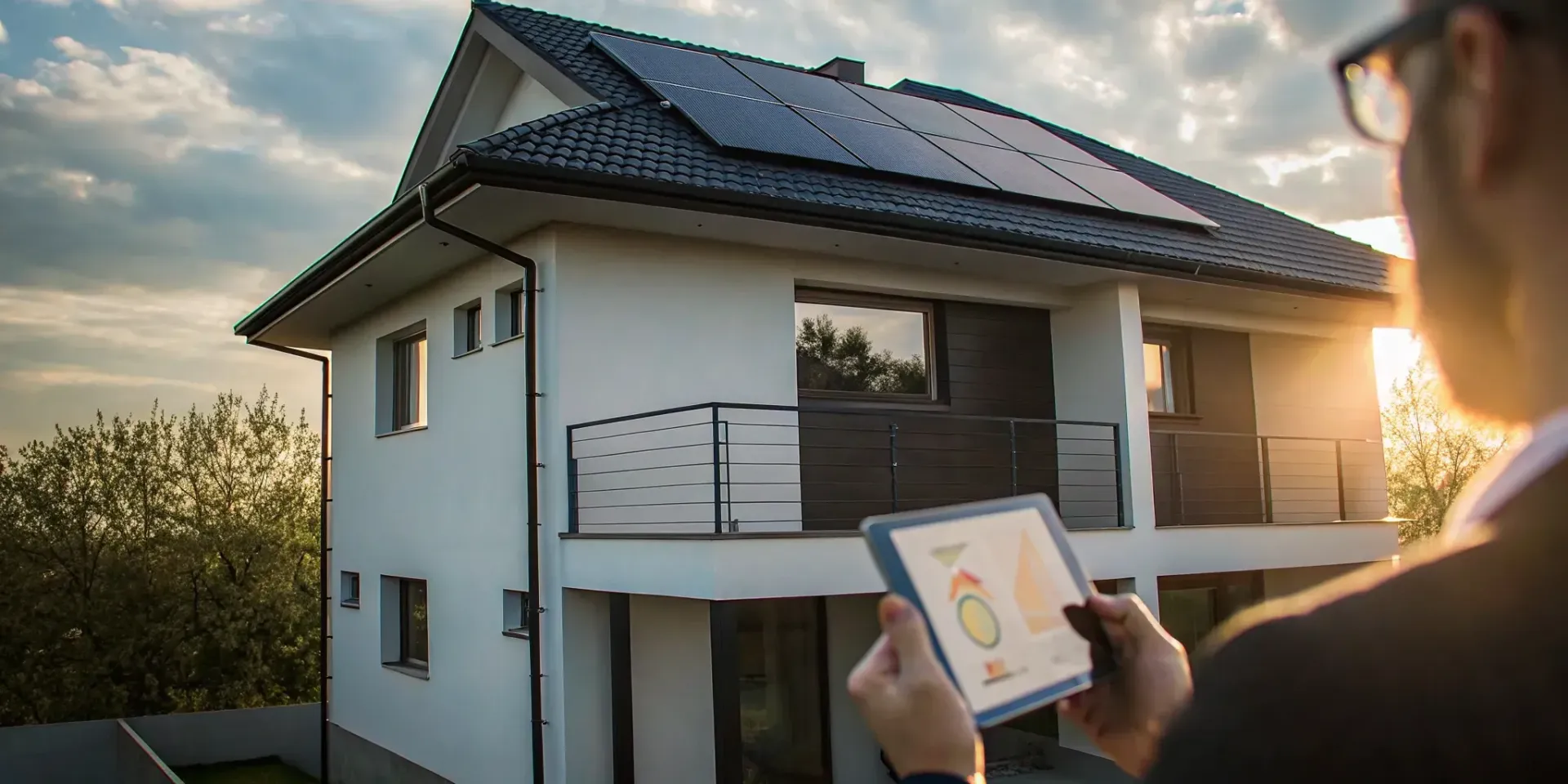
The most obvious benefit of going solar is lowering your electricity bill, but the advantages go so much deeper than that. It’s about creating a more resilient and independent home. When you install a solar panel system for your house, you’re not just generating clean power; you’re gaining peace of mind. You’re less reliant on the grid, which means more stability during power outages, and you’re making a tangible contribution to a healthier environment. It’s an investment that increases your home’s value while aligning with your personal values. Here, we’ll explore all the ways solar can improve your finances, your home, and your quality of life.
Key Takeaways
- Choose the Right System for Your Needs: Your ideal solar setup, whether grid-tied for savings or hybrid for backup power, should be based on your specific energy goals. A custom design ensures your system perfectly matches your home's consumption and property layout.
- Use Incentives to Lower Your Costs: The sticker price is not the final price. The 30% federal tax credit, combined with local rebates and flexible financing, makes the investment much more accessible and helps you start saving on electricity bills sooner.
- A Professional Installer Is Your Guide: The right solar company handles everything from the initial site assessment and custom design to all the permitting and paperwork. This expert guidance makes the entire installation process simple and stress-free.
What Are the Different Types of Home Solar Systems?
When you decide to go solar, one of the first questions you'll face is what kind of system you need. The answer depends on your goals, your property's location, and your budget. Are you looking to primarily lower your electricity bills, or is complete energy independence your main objective? Understanding the three main types of solar systems, which are grid-tied, off-grid, and hybrid, will help you make the right choice for your home. Each setup offers unique benefits, and we can help you determine which one aligns perfectly with your family's needs.
Grid-Tied Systems
Grid-tied systems are the most common setup for homeowners and businesses. As the name suggests, your solar panel system is connected directly to the local utility grid. During the day, your home runs on the clean energy your panels produce. If you generate more power than you need, that excess energy is sent back to the grid, and you can earn credits on your utility bill through a program called net metering. At night or on cloudy days, you simply draw power from the grid as you normally would. This makes it a seamless and cost-effective way to start your residential solar journey and significantly reduce your monthly energy costs.
Off-Grid Systems
An off-grid system operates completely independently from the utility grid, offering true energy self-sufficiency. This setup is ideal for remote homes, cabins, or properties where connecting to the grid is either impossible or extremely expensive. Instead of relying on a utility company, an off-grid system uses a large battery bank to store the excess energy your panels generate during the day. This stored power is then used to keep your lights on at night and during periods of low sunlight. Because they require significant battery storage and careful energy planning, off-grid systems represent a larger upfront investment but provide total freedom from the grid and monthly electric bills.
Hybrid Systems
Hybrid systems offer the best of both worlds by combining the features of a grid-tied system with the security of battery backup. Like a grid-tied system, you’re connected to the utility grid and can take advantage of net metering to lower your bills. The key difference is the addition of a solar battery. This battery stores excess solar energy for you to use later, providing a reliable backup power source. If a storm causes a power outage in your neighborhood, your system automatically switches to battery power, keeping your essential appliances running without interruption. A hybrid system is a fantastic choice if you want both savings and peace of mind. Our flexible financing options can help make this powerful solution accessible for your home.
What Are the Key Parts of a Home Solar System?
When you picture a solar energy system, you probably think of the panels on the roof. While they’re the most visible part, a complete home solar system is made of several key components working together to power your life with clean energy. Understanding what these parts are and what they do will help you feel confident as you design the right system for your home. From the panels that capture sunlight to the inverters that make it usable, each piece plays a vital role in your journey toward energy independence. Let's break down the four main components you'll find in a typical residential solar setup.
Solar Panels and Their Efficiency
Solar panels are the foundation of your system, responsible for capturing sunlight and converting it into electricity. Modern panels are quite efficient, typically converting 18% to 20% of the sun's energy into usable power. This efficiency is a huge advantage, especially if you have limited roof space. Higher efficiency means you can generate more power with fewer panels, making it possible to maximize your energy production even on a smaller roof. When we design your system, we focus on using high-quality panels that give you the most power for your specific home, ensuring you get a great return on your investment for years to come.
Inverters: String vs. Microinverters
Your solar panels generate direct current (DC) power, but your home’s appliances run on alternating current (AC) power. That's where the inverter comes in. This essential device converts DC electricity into AC electricity. There are two main types you'll encounter: string inverters and microinverters. A string inverter is a single, centralized box that connects to a group (or "string") of panels. Microinverters, on the other hand, are smaller and installed on each individual panel. This allows every panel to perform independently, which can be a big plus if a portion of your roof gets shade during the day. The best choice depends on your roof's layout and sun exposure.
Options for Battery Storage
A solar battery is an excellent addition if you want to achieve true energy independence and have reliable backup power. Batteries store the excess energy your panels produce during the day instead of sending it back to the grid. You can then use that stored energy at night, during cloudy weather, or when utility rates are at their peak. More importantly, a battery keeps your lights on and essential appliances running during a power outage. Adding a battery gives you peace of mind and more control over your energy. We can explore different financing options to help make including a battery in your system more accessible.
Racking and Monitoring Systems
While they work behind the scenes, racking and monitoring systems are critical for your system's performance and longevity. Racking is the durable framework that securely mounts the solar panels to your roof. It’s engineered to withstand the elements and position your panels at the perfect angle to capture maximum sunlight. A monitoring system acts as the dashboard for your solar investment. It allows you to track how much energy your panels are producing in real-time, so you can see your savings add up and ensure everything is working as it should. Our team at Barkley Solar ensures your racking is installed with expert craftsmanship for long-term durability.
How Much Does a Solar Panel System Cost?
Let’s talk about the number one question on everyone’s mind: the price. Thinking about the cost of a solar panel system is a lot like planning for any major home improvement. It’s a significant investment, but it’s one that pays you back over time. The final price isn't just a number pulled out of a hat; it’s a tailored figure based on your home, your energy usage, and your goals.
Instead of a one-size-fits-all price tag, the total cost is a combination of high-quality equipment, professional installation, and the long-term value you get from producing your own clean energy. The good news is that incentives and financing have made going solar more accessible than ever. Understanding the breakdown of these costs is the first step toward seeing how a solar system can fit into your budget and start saving you money on your electricity bills.
Breaking Down Installation Costs
The total cost of your solar installation is based on a few key factors. While individual solar panels have a per-unit price, the real cost comes from building a complete system customized for your home. This includes the panels themselves, an inverter to convert solar energy into usable electricity, and the racking that secures the system to your roof. The size of your system, which depends on your family’s energy consumption, is the biggest driver of the final price. A larger home with higher electricity needs will require more panels to offset its usage. The type and brand of panels you choose also play a role. We can help you get an accurate picture with a custom solar design and a free, no-obligation quote.
Finding Tax Credits and Incentives
The initial price you see for a solar system is rarely the price you’ll actually pay. Think of it as the starting point before some major discounts. Government and utility incentives are designed to make solar more affordable, and they can reduce your total cost significantly. The most impactful incentive is the federal solar tax credit, which allows you to claim a credit worth 30% of your total system cost on your federal taxes. This applies to both the solar panels and any battery storage you install. On top of that, various state and local rebates may be available. A professional installer can help you identify every credit and rebate you qualify for to maximize your savings.
Exploring Your Financing Options
Even after incentives, the upfront cost of a solar panel system can feel like a hurdle. That’s why most homeowners take advantage of financing. With the right plan, you can go solar with little to no money down. Solar loans are a popular choice, allowing you to own your system from day one and simply replace your monthly utility bill with a predictable loan payment, which is often lower than what you were paying for electricity. This means you can start saving money immediately. We offer several flexible financing options to fit your budget, making it easier to invest in your home’s energy future without waiting. We’ll walk you through all the possibilities to find the one that works best for you.
How Do You Choose the Right Solar System for Your Home?
Picking the right solar system can feel like a big decision, but it doesn’t have to be overwhelming. When you break it down into a few key steps, you can confidently find the perfect setup for your home and budget. It’s all about understanding your own needs and knowing what to look for in your equipment and your installer. Think of it as a partnership: you bring the home, and a great solar company brings the expertise to match. Let’s walk through exactly what you need to consider.
Assess Your Energy Needs and Roof
First, take a look at your past electricity bills to see how much energy your household uses each month. This gives you a baseline for how large your system needs to be. Next, consider your home itself. Your system’s efficiency depends on your location, roof angle, and any potential shading from trees or other buildings. An ideal roof faces south with minimal shade, but systems can be designed for almost any situation. It’s also wise to think about your long-term plans. Since solar is a significant investment, it delivers the most value if you plan to stay in your home for several years. A professional consultation can provide you with custom solar solutions tailored to your specific energy use and property.
Compare Panel Efficiency and Warranties
Not all solar panels are created equal. A key factor to compare is efficiency, which is the percentage of sunlight the panel converts into electricity. Many high-quality panels have efficiency ratings between 18% and 22%. Higher efficiency means you need fewer panels to produce the same amount of power, which is great for smaller roofs.
You should also look closely at the warranties. Most panels come with two: a product warranty and a performance warranty. The product warranty covers defects in manufacturing, typically for 10 to 25 years. The performance warranty guarantees the panel will still produce a certain percentage of its original output after 25 years, ensuring your investment keeps performing for decades.
Research Manufacturer Reputation and Quality
The quality of your solar panels and equipment is just as important as the company that installs them. Look for manufacturers known for producing durable, high-efficiency solar products. A little research into brand reputations can go a long way in ensuring your system is built to last.
Equally important is choosing a reputable installer. An experienced team does more than just put panels on your roof; they handle the design, permitting, and paperwork to help you get all the solar incentives and rebates you qualify for. Working with a trusted local company like Barkley Solar ensures you have expert guidance and support from start to finish, making your transition to clean energy smooth and successful.
What Are the Benefits of Installing Solar Panels?
Thinking about going solar is exciting, but it's also a big decision. You're probably wondering, "Is it really worth it?" The short answer is a resounding yes. Installing solar panels is one of the smartest moves you can make for your finances, your home's value, and the environment. It’s not just about adding panels to your roof; it’s about investing in a more secure and sustainable future. Let's look at some of the biggest benefits you can expect when you make the switch.
Lower Your Monthly Energy Bills
Imagine opening your electricity bill and feeling relief instead of dread. That’s the reality for homeowners with solar panels. By generating your own power from the sun, you can significantly reduce or even get rid of your monthly bill. You become your own power producer, which means you rely far less on the local utility company and its unpredictable rate hikes. Every sunny day in Kansas becomes an opportunity to save money. Our residential solar solutions are designed to maximize your energy production, putting those savings directly back into your pocket year after year.
Reduce Your Carbon Footprint
Choosing solar is a powerful way to live out your environmental values. Traditional electricity is often generated by burning fossil fuels, which releases harmful pollutants into the atmosphere. Solar energy, on the other hand, is completely clean. It produces zero emissions, helping to reduce your household's carbon footprint. By switching to solar, you're taking a direct and meaningful step toward a healthier planet. It's a choice that feels good because it does good, contributing to cleaner air and a more sustainable future for our communities. Our commitment to clean energy is at the core of everything we do.
Increase Your Home's Value and Energy Independence
Solar panels are an investment that pays off in more ways than one. Studies show that homes with solar panels can be worth more, making them more attractive to buyers if you ever decide to sell. But the benefits start long before then. With a solar system, you gain a new level of energy independence. You're no longer completely at the mercy of the grid. When storms cause power outages, a solar system paired with battery storage can keep your lights on, your refrigerator running, and your family safe. This peace of mind is priceless, and flexible financing options make it easier than ever to get started.
Common Solar Myths to Ignore
When you’re considering a big home improvement project like solar, you're bound to hear a lot of opinions. It can be tough to sort fact from fiction, especially when it comes to a significant investment in your home. Let's clear up a few common myths about solar energy so you can make your decision with confidence and understand what to really expect when you make the switch. These misconceptions can often hold people back, but the reality of modern solar power is more practical and beneficial than you might think.
Myth: Solar Only Works in Sunny Climates
It’s a common belief that solar panels are only worthwhile in perpetually sunny states like Arizona or California. The truth is, they work great right here in Kansas. Modern solar panels are designed to be highly efficient and can generate electricity even on cloudy or overcast days. While their output is highest in direct sunlight, they still produce significant power in less-than-perfect weather. Think of it this way: you can still get a sunburn on a gray day because UV rays get through the clouds. Your panels are even better at capturing that ambient light and turning it into power for your home.
Myth: Solar Panels Require High Maintenance and Damage Roofs
I often hear homeowners worry about the upkeep of solar panels and the potential for roof damage. The good news is that solar panels are incredibly durable and low-maintenance. Since they have no moving parts, they rarely need more than an occasional cleaning to wash away dust or pollen. As for your roof, a professional installation actually protects it. The panels shield the shingles underneath from harsh weather, which can extend your roof's lifespan. At Barkley Solar, we ensure every installation is secure and watertight, and we even provide expert solar panel removal and re-installation services for roof repairs or replacements.
Myth: Going Solar Is Too Expensive or Means Going Off-Grid
Perhaps the biggest myth is that going solar is simply too expensive for the average homeowner. While there is an upfront investment, many people are surprised by how affordable it can be. Federal tax credits and other incentives can dramatically reduce the initial cost, and the long-term savings on your electricity bills can be substantial. We also offer flexible financing options to fit your budget. Furthermore, installing solar panels doesn't mean you have to go completely off-grid. The vast majority of home solar systems are grid-tied, allowing you to draw power from the utility at night while sending your excess solar energy back to the grid during the day.
What to Expect During Your Solar Installation
Deciding to go solar is a big step, and it’s natural to wonder what happens next. The good news is that the installation process is surprisingly straightforward when you have the right team. Think of it less as a major construction project and more as a well-planned upgrade. From the initial design to the moment you start generating your own clean energy, a professional installer will guide you through every phase. The entire journey can be broken down into three main steps: planning and paperwork, the installation day itself, and finally, flipping the switch and keeping an eye on your new system. Let's walk through what each step looks like.
Step 1: Site Assessment and Permitting
This first step is all about preparation. Before any panels go up, a team of experts will conduct a thorough site assessment of your home. They’ll evaluate your roof’s condition, measure its sun exposure, and inspect your electrical panel to create a custom solar solution tailored to your specific energy needs. This ensures your system is designed for maximum efficiency and safety. Once the design is finalized, we move on to permitting. This part can seem intimidating, but your solar installer handles all the local permits and paperwork for you. Working with a reputable team means you can relax, knowing all the administrative details are being managed correctly.
Step 2: Installation and System Activation
This is where the magic happens. On installation day, a certified crew will arrive to bring your solar design to life. They’ll start by mounting a secure racking system to your roof, which will hold the panels in place. Next, they’ll install the solar panels and connect them to the inverters. The team will run the wiring to your electrical panel, a process that is both efficient and minimally disruptive to your day. After the physical installation is complete, a final inspection is scheduled with your city and local utility company. Once they give the green light, your system is officially activated. Your installer will also help you file the paperwork for any available tax credits and financing incentives, making the process seamless.
Step 3: Monitoring and Ongoing Maintenance
One of the best things about modern solar panels is how little upkeep they require. Since they have no moving parts, they are incredibly durable and reliable. Your main task is simply to enjoy the lower energy bills. Most systems come with a monitoring app that lets you track your energy production in real time right from your phone or computer. As for ongoing maintenance, you won’t have much to do. A good rainstorm is often enough to wash away any dust or pollen, but an occasional cleaning might be needed if you live in a particularly dusty area. Your installer will give you all the information you need to keep your system running at peak performance for decades.
How to Maximize Your Solar Investment
Going solar is a fantastic investment in your home and your financial future. To get the best possible return, it helps to be strategic. It’s not just about putting panels on your roof; it’s about making smart choices from the very beginning. By working with the right team, designing the perfect system, and using available financial perks, you can ensure your solar panels deliver value for decades to come. These steps will help you get the most out of your new solar energy system.
Work with a Certified Solar Installer
Choosing the right installer is probably the most important decision you’ll make. A great solar partner does more than just mount panels on your roof. They act as your guide through the entire process. A certified and experienced installer will handle the technical details, from system design to securing permits. They will also manage the application process for rebates and tax credits, which can be a huge relief. Finding a team with a reputation for expert craftsmanship ensures your system is installed correctly and safely, setting you up for long-term success and peace of mind.
Get the Right System Size and Placement
A solar system isn't a one-size-fits-all product. To truly maximize your investment, your system needs to be tailored specifically to your home. This starts with a thorough assessment of your family’s energy consumption. An expert will analyze your past electricity bills to determine how much power you need to generate. They will also evaluate your roof’s size, angle, and orientation to the sun to ensure optimal panel placement. Getting this custom residential solar design right means your system will produce the ideal amount of energy, helping you save as much as possible on your utility bills.
Take Full Advantage of Incentives
Financial incentives can dramatically reduce the cost of your solar installation. The most significant is the federal solar tax credit, which allows you to credit 30% of your total system costs against your federal income taxes. On top of that, many states and local utility companies offer their own solar rebates and incentives that can save you even more money. Understanding and applying for these programs is key. Many installers can help you identify all the incentives you qualify for and even offer flexible financing options to make the upfront investment more manageable.
Related Articles
- Wichita's #1 Home for Solar Power | Barkley Solar
- KS Solar Power FAQs | Barkley Solar
- Expert Solar Services in Wichita, KS | Barkley Solar
- Expert Solar Services in Wichita, KS | Barkley Solar
- Residential Solar Company in Hutchinson, KS | Barkley Solar
Frequently Asked Questions
What happens if I need to replace my roof after installing solar panels? This is a very common question, and it's a straightforward process with a professional team. Your solar installer can schedule a service to safely detach the panels and racking system, store them securely while your new roof is put on, and then reinstall the entire system once the work is complete. We handle this exact situation for homeowners, ensuring your solar investment is protected and your system is reinstalled to perform just as it did before.
How long will my solar panel system actually last? You can expect your solar panels to be a long-term feature of your home, typically producing power for 25 to 30 years or even more. Manufacturers provide a performance warranty that guarantees the panels will still generate a high percentage of their original power after 25 years. While the panels are incredibly durable, other components like the inverter may need to be replaced sooner, usually after about 10 to 15 years.
What happens to my power during a grid outage? This depends on the type of system you have. For safety reasons, a standard grid-tied solar system will automatically shut down during a power outage to prevent sending electricity back to the grid while utility workers are making repairs. However, if you have a hybrid system with battery storage, your home will automatically switch over to your stored battery power, keeping your essential appliances running without interruption.
Can I add a battery to my solar system later on? Yes, in most cases you can add a battery to an existing grid-tied solar system. This is a popular upgrade for homeowners who initially focus on lowering their bills but later decide they want the security of backup power. If you think you might want a battery in the future, it's a great idea to mention it during the initial design phase so your installer can make sure your system is "battery-ready" for a seamless addition down the road.
How much will my electricity bill actually be after going solar? Your new electricity bill depends on how much of your energy use your system is designed to offset. If your system is sized to cover 100% of your annual consumption, your bill could be reduced to just the small, fixed connection fee from your utility company. During months when you produce more power than you use, you can earn credits through net metering, which will help offset the cost of power you draw from the grid at night or on cloudy days.