Solar Panels for Churches: Kansas Financing Guide
This is a subtitle for your new post

A single high electricity bill can stop a Kansas nonprofit from expanding its reach into the local community. Solar energy installations now offer a proven way for these groups to slash overhead and reinvest in their core goals.
Schedule a free commercial solar energy assessment with Barkley Solar today to discover how your organization can lower its monthly overhead.
Installing solar panels for churches and nonprofits in Kansas is now a low cost move due to new federal "direct pay" options. Under the Inflation Reduction Act, nonprofit groups can receive a cash payment for 30% of their project costs. Groups in rural areas may also qualify for USDA REAP grants to cover even more of the price. These benefits help houses of worship lock in low power rates while seeing a full return on costs in five to eight years. According to the USDA, these programs provide guaranteed loans and grant funding for clean energy systems. This support allows local nonprofits to move power savings toward their goals, outreach efforts, and long-term facility growth.
Leaders need to know if the switch to clean power fits their tight budget. You can find the best path forward by understanding Why Solar Panels for Kansas Churches and Nonprofits Make Financial Sense. The transition toward clean energy begins with understanding these key financial drivers.
Solar Panels For Churches: Why Solar Panels for Kansas Churches and Nonprofits Make Financial Sense
Solar energy for Kansas churches offers a powerful way to reduce utility costs, capture new federal incentives, and reinvest capital into local outreach. By leveraging direct pay tax refunds and property tax exemptions, houses of worship can achieve a full return on investment in five to eight years.
Solar energy is a smart choice for Kansas churches and nonprofits today. For a long time, the high cost of specialized solar equipment made it hard for groups that do not pay taxes to go solar. Now, new laws and lower prices have changed the math. By using commercial solar ROI for nonprofits, groups in Wichita can turn high bills into funds for their core work. This move saves money and shows that the group cares for its local area.
Lower your monthly bills
Energy bills are often a large part of a church budget. Solar panels for churches help lock in power rates for years. Most groups see a full return on their cost in five to eight years. After that point, the system gives free power for 20 years or more. This helps small groups plan for the future without worrying about rising costs from the grid.
Adopting a comprehensive energy-efficiency strategy can help even more. You should look at how your building uses power before you add panels. Fixing old lights or air units can lower how many panels you need to buy. This helps you get the most out of every dollar you spend on your project.
New ways to pay for solar
The rules for paying for solar have improved for tax-free groups. In the past, nonprofits could not use tax credits. Now, the government offers a direct pay option. This means your church can get a check back for 30% of the project cost. Some groups may even get more if they use parts made in the USA or work in certain zones.
Rural groups have even more ways to get help. The USDA REAP program offers grants to help rural areas add clean energy. These funds make solar panels for churches much easier to afford. Our team can help you find out if your site qualifies for these grants.
- Direct pay gives you a check for 30% of the cost.
- Extra funds are available for parts made in the USA.
- Rural grants can cover a large part of the bill.
A long-term path to stewardship
Saving money is just one part of the story. Solar panels for churches allow your group to lead by example in your town. When you lower your carbon footprint, you show that you care about the world. You also keep more of your funds for your main goals. This is a clear way to show your values to the people you serve every day.
We offer a free check of your building to help you start. Our experts will look at your roof and your past bills. We will give you a clear report on what you could save. This path lets you make a choice that is good for both your budget and your town.
Evaluating Site-Fit: Is Your Church Building Ready for Solar?
A professional solar site-fit evaluation for churches analyzes structural load-bearing capacity, roof age and remaining service life, shading profiles, and the existing electrical panel infrastructure. Sizing the solar array correctly prevents overspending and ensures decades of safe, high-performance generation.
Before you look for commercial solar installation services, you need to see if your site is a good fit. Not every church hall or main room is ready for panels today. Our team in Wichita looks at your roof, your land, and your power needs first. This check helps you find the best way to save money and stay safe. A good site-fit means your panels will work well for 30 years or more.
Roof Age and Sun Path
The age of your roof is the most vital factor. If your roof is near the end of its life, you should replace it before you add solar. You do not want to pay to remove and put back panels just to fix a leak. Most panels stay on the roof for decades, so the base must be strong. We also look at where the sun hits your roof. In Kansas, a south-facing roof gets the most light. We also check for shade from large trees or even the church steeple. If your roof is in the dark for part of the day, your power gains will drop.
Weight Loads and Power Needs
Solar panels and their racks add a lot of weight to a roof. We must make sure your church building can hold this extra load. Many older buildings in Wichita have heavy wood frames that work well. But we still need to check the math to be sure. Next, we look at your main power box. Some old church panels are too small for a large solar system. You might need an upgrade to handle the new energy flow. Checking these parts is a key step to get a good how much solar panels save in Kansas.
Land Use and Energy Efficiency
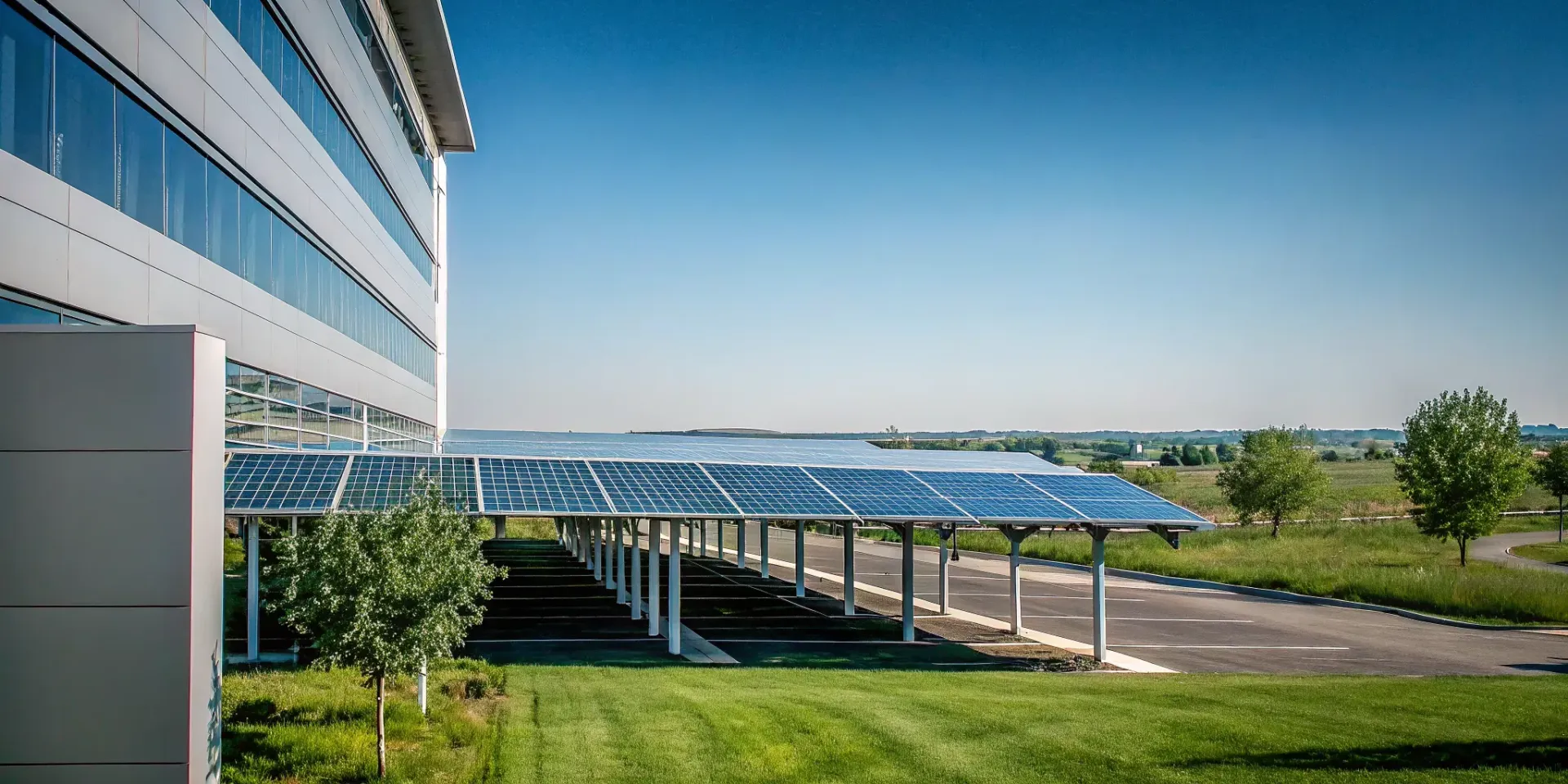
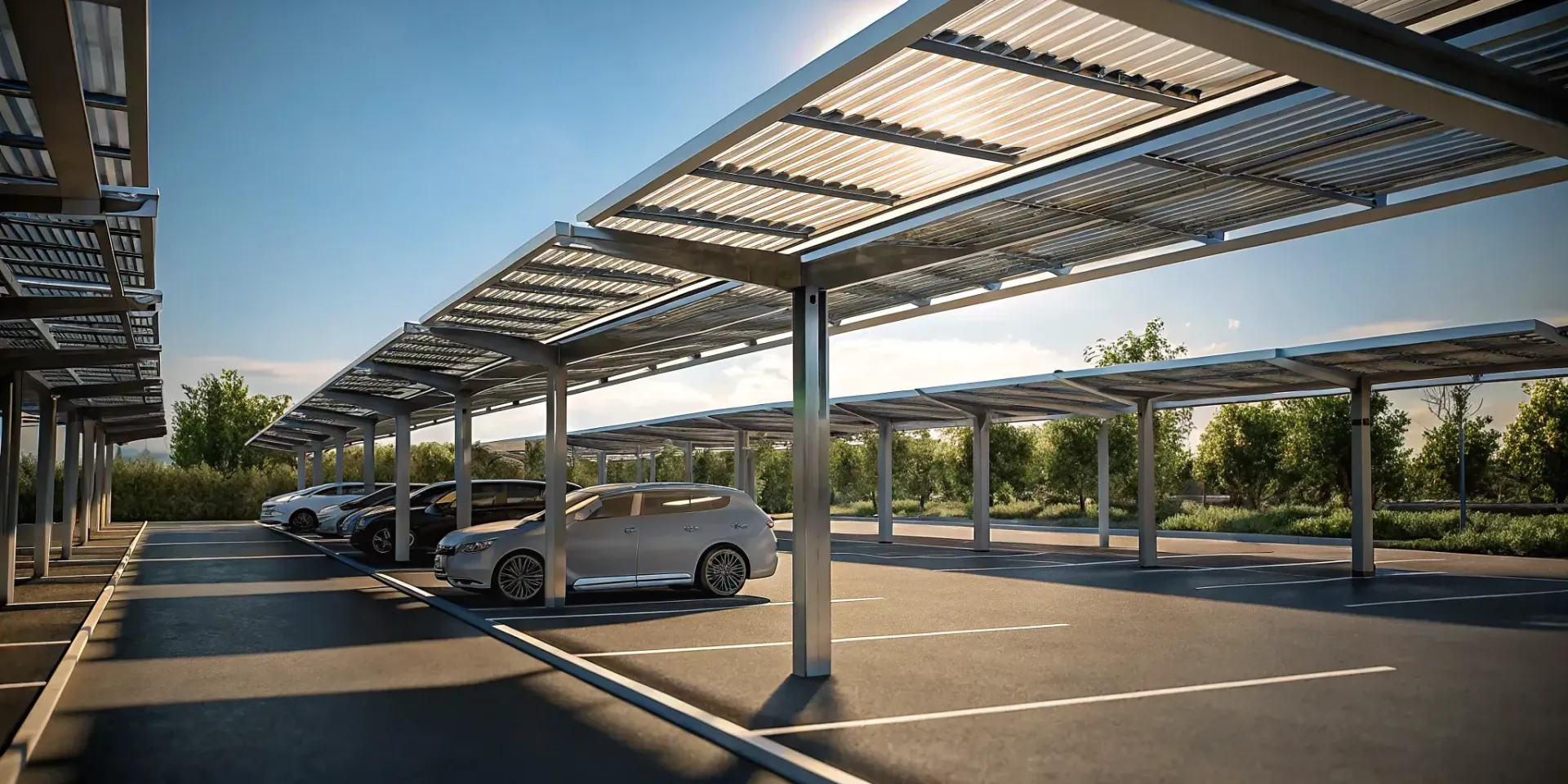
If your roof is too small or too steep, you can use your land. Many rural churches in Kansas have big lots or green space. You can put solar panels on the ground instead of the roof. These systems are easy to reach and can face the sun at a perfect angle. You can also use solar carports to shade your parking lot. This keeps cars cool while making free power. Rural churches may also get help from USDA REAP grants for these projects.
Before you put in a single panel, you should also look at how you use power now. We use a method we call the full efficiency approach. This means we find ways to use less power first. We might suggest new LED lights or better seals on old windows. When your church uses less power, you can buy a smaller solar system. This saves you money on the front end and gives you better results. Our team can help you plan each step to make sure your church is ready for solar.
Contact Barkley Solar for a commercial solar assessment to evaluate if your church building is a good candidate for solar panels.
The IRA Direct Pay Revolution: Getting the 30% Federal Refund
The Inflation Reduction Act (IRA) direct pay program enables tax-exempt churches to receive a direct cash refund from the IRS covering 30% of their solar installation costs. This refund can increase up to 40% or 50% by incorporating domestic parts or locating the project within an eligible energy community.
For a long time, churches could not use federal tax credits for solar. Since they do not pay income tax, a tax credit had no value. The Inflation Reduction Act (IRA) changed this through a program called elective pay. Most people call it direct pay. This rule lets non-profit groups treat the solar tax credit like a payment of tax. Instead of a credit you cannot use, the IRS sends your church a check for 30% of the project cost. This makes commercial solar setup services much easier to fit into a church budget.
How elective pay works for churches
Direct pay turns the 30% Investment Tax Credit into a cash refund. To get it, your church must own the solar system. You cannot use a lease or a power purchase deal for this exact refund. Once the system starts to run, you file a form with the IRS. The government then pays you back for a large part of the work. This covers the cost of the business guide to solar panels, labor, and parts. It is a simple way to lower the price of clean energy.
Your church can even get more than 30%. If you use parts made in the United States, you may get a 10% bonus. If the church is in an area that the government calls an energy community, you might get another 10% back. Some projects could see a total refund of 40% or 50%. This helps churches save money on bills so they can spend more on their work. Using local labor and local goods makes the project even better for the town.
The timeline for receiving your refund
Getting your check takes some time and planning. You must finish the solar project before you can ask for the money. After the panels are on the roof and working, you file your tax forms. The IRS must review your request to make sure it meets the rules. Most groups see their refund in four to 18 months after they file. This wait is why it is vital to have a clear plan for your cash flow during the build.
Barkley Solar helps you map out this timeline. We look at your project and help you see when the money might come back. This helps your board make a smart choice. We focus on the financial return analysis so you know what to expect. Knowing the steps helps keep the project on track and avoids surprises with the budget.
Stacking incentives for more savings
Direct pay is not the only way to save. Many churches in rural Kansas can also apply for grants. The USDA REAP program offers extra funding for clean energy in small towns. These grants can cover a large part of the cost of new solar panels. When you stack these grants with federal direct pay, the net cost of the system drops fast. This is the best way to get the most out of your church budget.
You should also think about state laws. Kansas has a property tax rule that helps. For ten years, you do not have to pay extra property tax on the value the solar panels add to your building. This keeps your yearly costs low. By using every tool, your church can pay for the system in just a few years. After that, the energy from the sun is free for decades.
USDA REAP Grants and Kansas-Specific Solar Incentives
Kansas houses of worship can stack federal direct pay with USDA REAP grants that cover up to 50% of the system cost in rural locations. Alongside a 10-year 100% state property tax exemption on solar improvements and local net metering billing credits.
Churches in Kansas have new ways to pay for solar power. For many years, tax breaks only helped for-profit firms. Now, U.S. and state laws help houses of worship save too. These tools make it easier to fix high power bills. They let you put more money back into your core mission. You can find the best path for your group with a few key programs.
Grants for Rural Kansas Churches
Groups in rural spots can get help from the USDA Rural Energy for America Program (REAP). This program gives grants to rural small groups for clean energy. It can pay for up to 50% of the cost to put in solar. To get this, your church must be in a rural area as set by the USDA. This is a big win for small towns across Kansas.
Getting a REAP grant can cut the price of your project in half. You can also get loans with good rates that the government backs. This help is vital for rural groups with tight funds. It turns solar from a dream into a real plan. We can check your site to see if you fit. This helps you start your solar panels for churches project with less stress.
Direct Pay: Cash Back for Nonprofits
A recent law brought a huge change for churches. It created a path called "elective pay" or direct pay. Since churches do not pay taxes, they used to miss out on solar credits. Now, the government sends you a check for 30% of the project cost. This is not a tax break. It is a cash payment for your solar energy work.
The payment comes after you set up your system. You just have to file a form with the IRS. This covers hardware, labor, and parts. You might even get more cash if your panels are made in the USA. Most groups see this money in 4 to 18 months. It is a key part of your electricity rate savings with solar.
Kansas State Tax Breaks
Kansas offers its own perks to help you go solar. The state gives a 100% property tax break on solar systems. When you add panels, your building value goes up. In most states, that means you pay more tax. But in Kansas, that extra value is tax-free for 10 full years. This keeps your costs low while you save on power bills.
Local rules can be hard to track. We stay on top of Kansas law to help you find every cent of savings. We also use a "Full Efficiency Approach." This means we fix energy leaks in your building first. By doing this, you can buy a smaller solar system. This lowers your start-up costs and speeds up your payback time.
Local Power Company Rules
Most Kansas power firms use net metering rules. This means you get credit for the extra power your panels make. When the sun is bright, your church might make more power than it needs. That power goes back to the grid. Your meter runs backward, and you save money on your next bill. This is great for churches that are mostly empty during the week.
Evergy and other local firms have specific rules for this. We help you read these rules so you know your gains. These credits help you reach your goals faster. They also make sure your solar panels for churches work for you 24 hours a day.
- REAP grants cover up to half of the total project price.
- Direct pay sends a 30% refund check back to your church.
- Kansas property tax stays flat for 10 years after you go solar.
- Net metering helps you get credit for the power you do not use.
Comparing Church Solar Financing Options
Churches can finance solar installations using upfront cash purchases for the highest lifetime return, solar loans to spread out initial installation costs while retaining direct pay eligibility, or power purchase agreements (PPAs) for zero-down immediate savings.
Choosing the right way to pay for solar panels for churches is a big step. Since churches are tax-exempt, they cannot use the same tax breaks as for-profit shops. But new federal rules now give churches and other groups a way to get cash back for their green power moves. It is vital to look at each path to find what fits your budget and long-term goals.
Common funding paths for solar
Most churches look at cash, loans, or third-party help. Buying with cash gives you the most savings over time. It lets you own the equipment from day one and skip interest costs. For groups that want to keep their funds for other needs, a loan or a solar lease may work best. These paths let you start saving on power bills without a huge cost upfront.
For rural Kansas churches, the USDA REAP grant is a top choice. This program gives money to rural small firms and groups to help pay for clean power. It can cover a large part of the project cost. You can learn more about how these grants affect your commercial solar options in Kansas by talking with our team.
Solar financing comparison for churches
Option.Upfront Cost.Ownership.Tax Credits.Best For.Cash Purchase.High.Church owns.Direct Pay (30%+).Maximum ROI.Solar Loan.Low to None.Church owns.Direct Pay (30%+).Spreading costs.PPA or Lease.None.Investor owns.Investor claims.No-risk savings.USDA REAP.Mixed.Church owns.Grants up to 50%.Rural locations.
Grants and direct pay benefits
The Inflation Reduction Act changed the game for churches. Now, your group can use "direct pay" to get a check from the government for 30% or more of the cost. This acts like the tax credit that firms get, but it comes as a cash payment. According to EnergySage, this pay helps houses of worship afford solar equipment and cut costs fast.
Working with a local commercial solar installation services firm is the best way to plan. We can help you find extra boosts, like the 10% domestic content bonus. Our team also looks at Kansas property tax rules to help you save for the next ten years. We suggest starting with a full check of your building to find the best plan for your needs.
Planning Your Project: How to Evaluate a Commercial Solar Proposal
A high-quality commercial solar proposal should always be preceded by a professional energy audit and feature detailed utility rate structures, local system modeling, clear payback period estimates, and complete manufacturer warranty terms.
Planning for solar panels for churches takes a clear and simple process. Your church leaders need to know what a good plan looks like. A solid solar bid will show you the costs, the savings, and the next steps. You should work with a team that knows your town and the needs of a church. A good plan helps you save money and use clean power for years to come.
Review your energy use
Before you sign a contract, you must know how your building uses power. An audit helps you find where you waste energy. You should fix old lights or poor seals before you put up solar panels. This ensures you do not buy a system that is too big. A smaller and smarter system will cost less and give you more value. It is the best way to start your path to clean energy.
An energy audit also shows when you use the most power. Some churches use more power on weekends. Others have schools that run all week. An expert will look at your bills from the last year. This data helps the builder design a system that meets your real needs. You want a system that covers your needs without wasting money.
Size the solar array
The size of your solar array depends on your roof and your goals. Your builder will look at your roof to see how much space you have. They will also check if the roof is strong enough to hold the panels. A good bid will show you a map of where the panels will go. It should not block vents or other equipment on the roof. Proper sizing is key to a system that works well for decades.
You should also think about how much of your bill you want to cover. Most groups try to cover about eighty to ninety percent of their power use. This keeps the system at a good size and price. If you build a system that is too large, you might spend more than you need to. A local expert will help you find the right size for your budget and your roof space.
- Start with an energy audit. An expert should check your lights, heat, and cooling to find ways to save power before you add solar.
- Model the costs. Look for clear charts that show your payback period and how much you will save on your bills each month.
- Check for grant options. Rural churches may find help through the USDA REAP program which gives grants for clean power.
- Review the system design. Make sure the plan fits your roof and does not get in the way of other rooftop equipment or vents.
- Check the warranties. A good plan lists how long the panels and parts will last and what the builder fixes if things break.
- Compare local builders. Choose a team that knows Wichita and has a history of building solar arrays for churches and schools.
Check the solar ROI
Each solar bid should be easy to read and compare. Look for the total cost after you add in all grants and breaks. For many groups, the nonprofit solar ROI guide shows that the system pays for itself in five to eight years. After that time, your church will have very low power bills for twenty years. This freed-up money can go back into your mission.
A clear bid will also list the cost per watt. This is a common way to see if the price is fair compared to other plans. Be wary of bids that do not explain their numbers. A local builder will walk you through every line of the bid. They should be honest about the time it takes to see a return on your cost.
Frequently Asked Questions
Can churches get grants for solar panels?
Churches in rural Kansas can get funds from the USDA Rural Energy for America Program. This plan gives grants and loans for green power projects like solar, but the group must be in a rural area to meet the rules. These grants pay for a large part of the total cost and make it easier for local groups to lower their power bills. Using these funds is a smart way for houses of worship to save money over many years.
Do nonprofits get the 30% solar tax credit?
Nonprofits and churches can get a 30% solar tax credit through direct pay, which lets tax-exempt groups get this money back. The Inflation Reduction Act means the government sends a check instead of a tax break. This payment can cover 30% or more of the project cost, and it may reach 40% in some energy towns. This new rule helps local groups afford clean energy for their buildings while saving on costs.
How long does it take for solar panels to pay for themselves?
Most business solar systems pay for themselves in five to eight years, and the church gets free power for over 20 years after that. Barkley Solar uses a full energy plan to boost these savings by checking the building first. We reduce power use before adding panels to make the solar system more useful and save more money. Local groups can get a free check to see their own ROI and payback time.
How long does it take to get solar direct pay funds?
Getting direct pay funds for solar can take some time because the sign-off process often takes between four and 18 months. Once the claim is filed and the work is done, the government usually sends the money within 45 days to help cover costs. This payment pays for the panels and the work to install them, so it is vital to plan for this timeline. Working with local experts can help your church handle these steps and reach your goals.
Ready to lower your church's monthly power costs?
High power bills take money away from your core work every single month. If you wait to act, your group will keep paying for high power costs that only go up over time. Starting your solar plan now is the best way to handle your long term spending. Our team can help you find grants and tax help on our commercial solar page. You can stop worrying about price hikes and put those funds back into your local work. The sooner you move to solar, the faster your church will reach its goal of clean and low cost power. Every year of delay means more of your funds go to the power company instead of your work. We are here to help you make a plan that fits your goals and saves you money for years to come.
Ready to save? Call (316) 223-6111 to schedule a free commercial solar energy assessment with Barkley Solar today.