The Business Guide to Commercial Solar Energy Solutions
When you hear about solar for businesses, it’s easy to assume it’s only for massive corporations with sprawling rooftops. The reality is that a wide range of Kansas businesses, from family farms and local retail shops to office buildings and warehouses, are perfect candidates for solar. It’s about making your property work smarter for you. This article will help you understand what makes a business a good fit for solar, explore the different types of systems available, and break down how commercial solar energy solutions can be tailored to meet your specific energy needs and financial goals, no matter the size of your operation.
Key Takeaways
- Treat solar as a financial strategy : Going solar allows you to take control of a major operating expense by locking in your energy costs for decades. With significant tax credits and flexible financing, the investment protects your budget from unpredictable utility hikes and adds a valuable asset to your business.
- Find a partner who handles everything: The right commercial solar provider acts as a long-term partner, not just an installer. Look for a company that offers turnkey project management, from initial design and permitting to ongoing monitoring, so you can focus on your business.
- Understand that solar is simpler than it seems: Common worries about high costs, difficult maintenance, and regulations are often based on myths. Modern solar systems are incredibly durable, and a good partner will manage all the logistics and help you find financing that fits your financial goals.
What is Commercial Solar?
When you hear "solar," you might picture panels on a house. But solar energy is a powerful tool for businesses, too. Commercial solar refers to solar panel systems designed specifically for businesses, non-profits, and other organizations. It’s about more than just putting panels on a roof; it’s a strategic business decision that can lower your operating costs, provide energy independence, and show your community you’re committed to a sustainable future. Unlike residential systems, commercial solar projects are scaled to meet the higher energy demands of facilities like warehouses, office buildings, farms, and retail stores. They are custom-designed to maximize energy production and financial returns for your specific property and usage patterns.
How commercial solar systems work
The process behind solar is surprisingly straightforward. It all starts with solar panels, which capture sunlight and convert it into direct current (DC) electricity. Since most buildings run on alternating current (AC) electricity, an inverter is used to make that conversion. From there, the AC electricity powers your operations just like power from the grid. Most systems stay connected to the local utility grid, allowing you to draw power when you need it and send any excess energy you generate back for credit. You can also add battery storage to your system, giving you a reliable backup during power outages and more control over your energy use.
Exploring the types of commercial systems
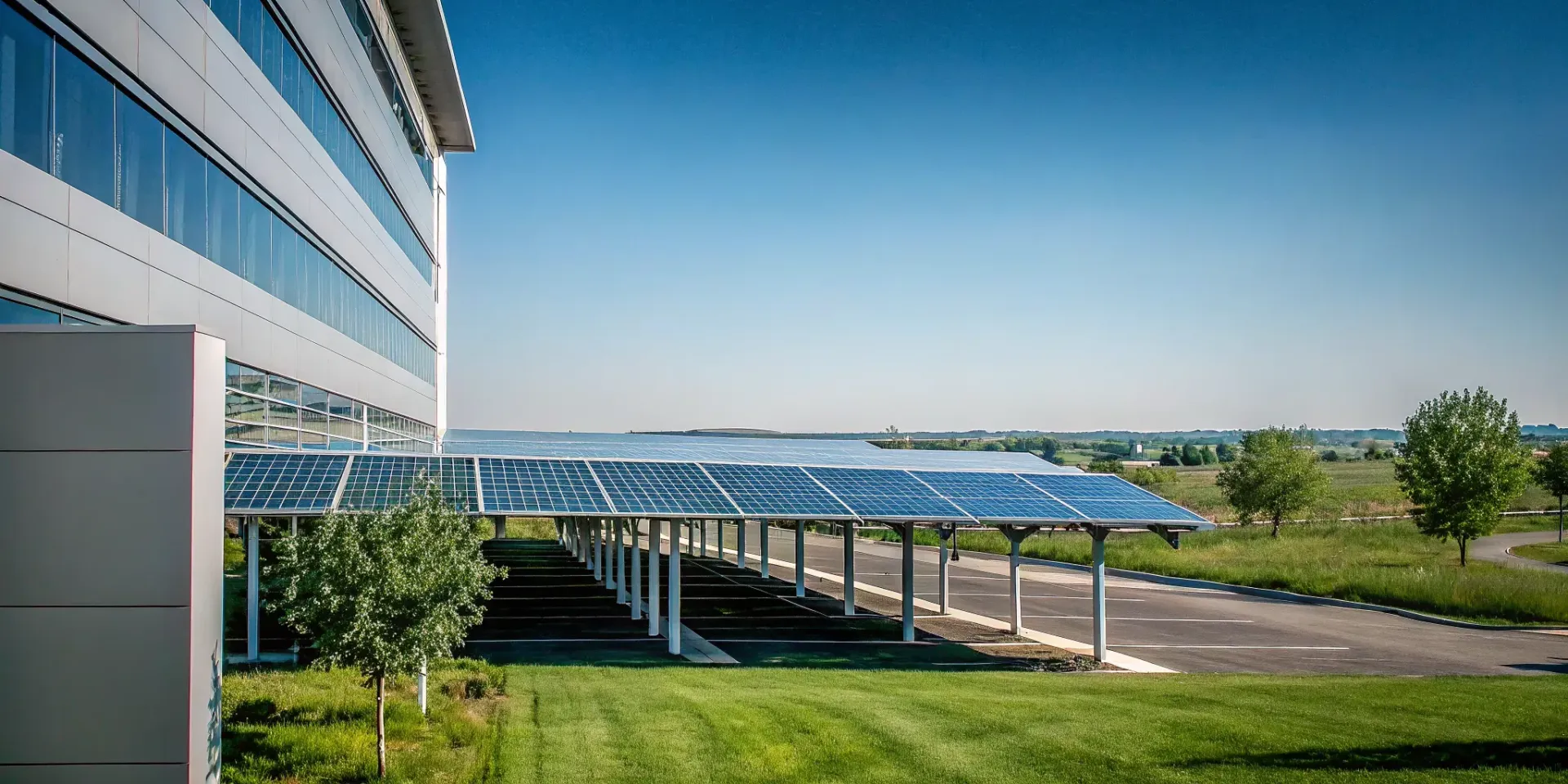
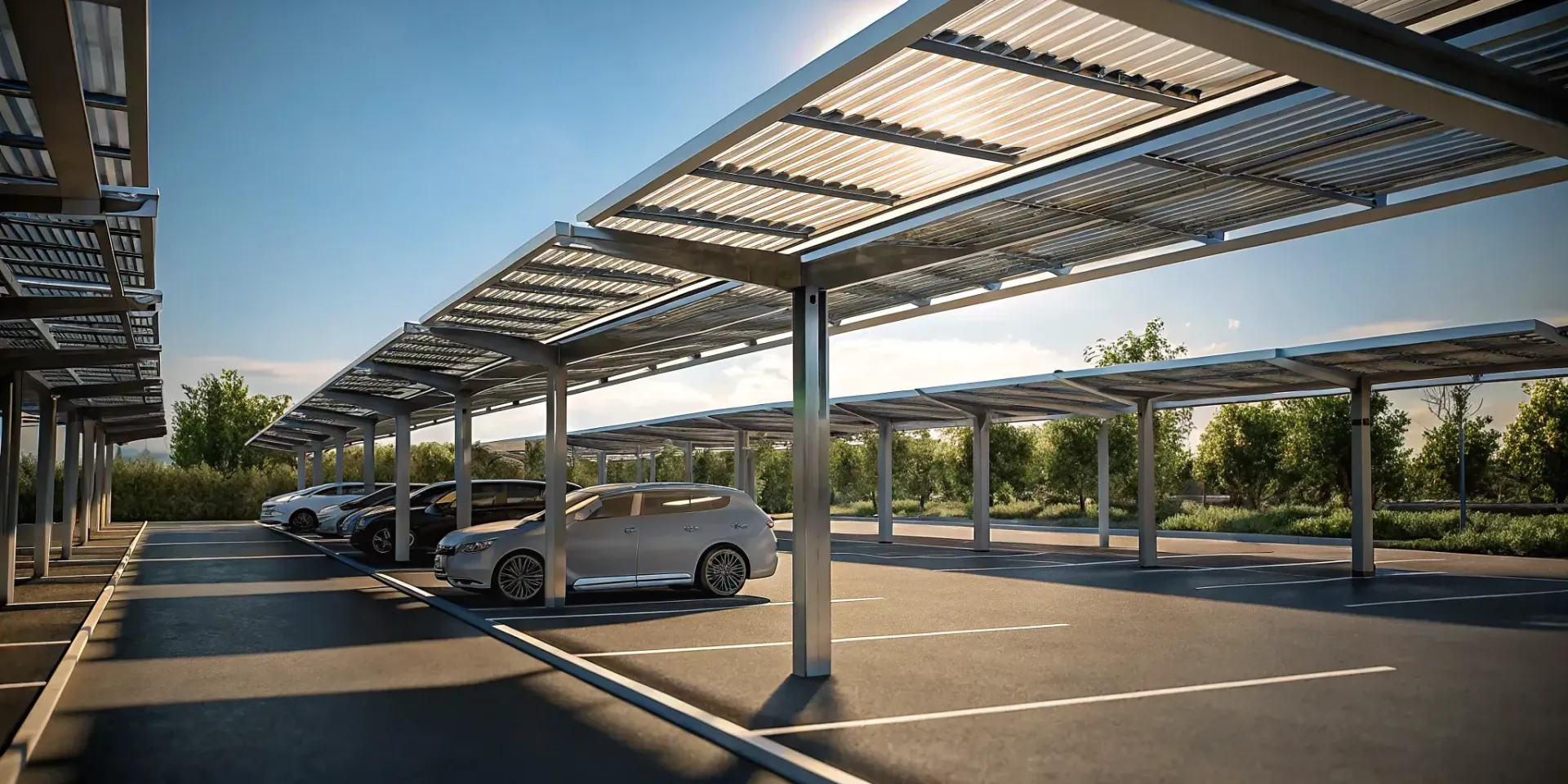
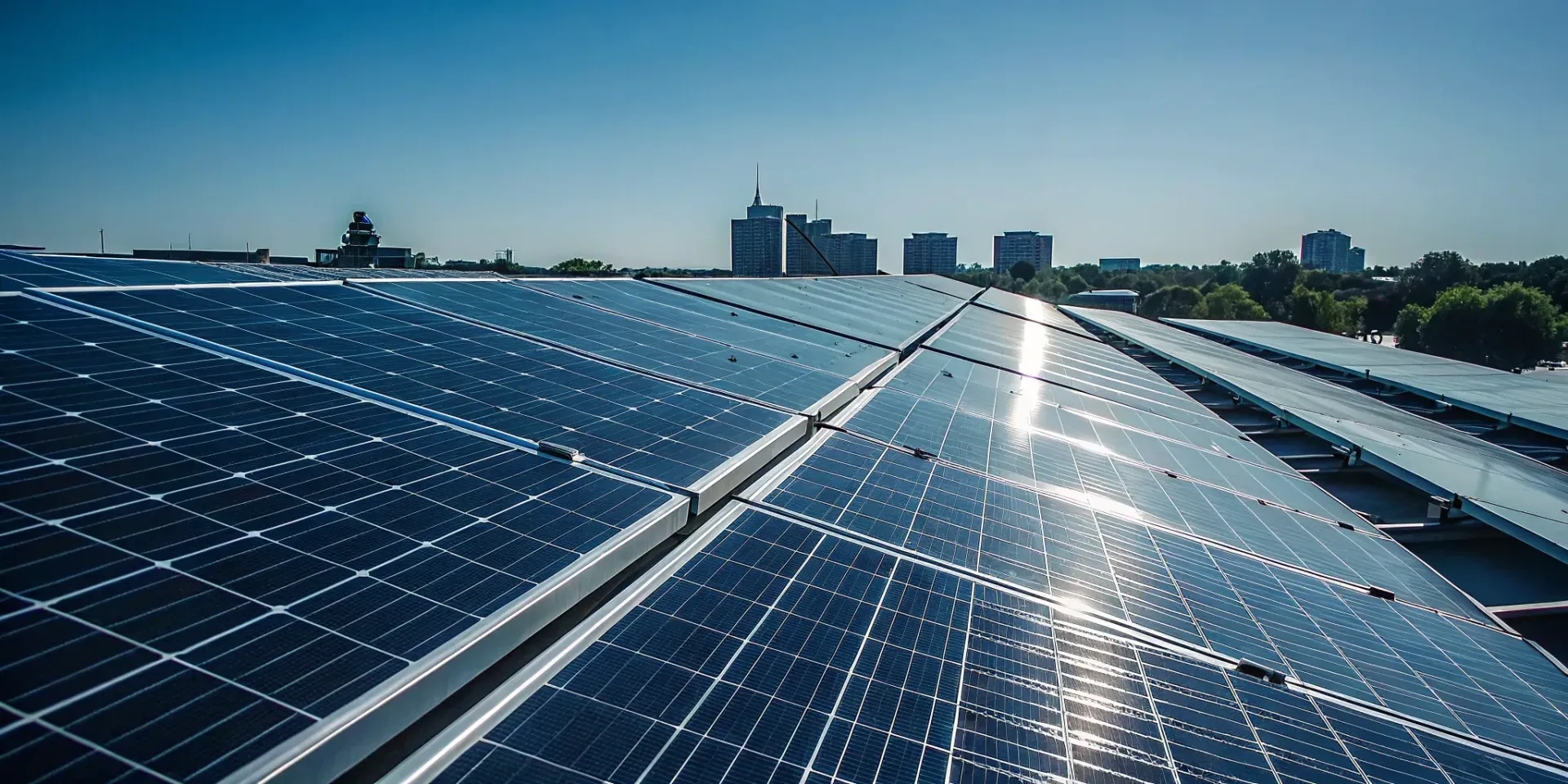
One of the best things about commercial solar is its versatility. You can turn underutilized spaces into valuable, energy-producing assets. The most common type is a rooftop system, which makes great use of large, flat commercial roofs. If you have available land, a ground-mounted system can be designed to capture the maximum amount of sunlight throughout the day. You can even get creative with solar carports, which provide shade for vehicles while generating clean energy. Our team has the expertise to assess your property and recommend the best type of system for your needs, ensuring your commercial solar solution is both effective and efficient.
Who is a good candidate for commercial solar?
You might be surprised by who can benefit from going solar. Any business with a physical location and an electricity bill is a potential candidate. This includes a wide range of organizations, from manufacturing plants and agricultural operations to apartment complexes, retail stores, and office buildings. A good candidate is typically a business owner looking to reduce long-term operating expenses and gain control over unpredictable energy costs. It’s also a great fit for companies that want to demonstrate a real commitment to sustainability, which can strengthen your brand and resonate with both customers and employees. If you own your building and have a sizable electricity bill, it’s worth exploring your options.
The Financial Perks of Going Solar
When you think about switching your business to solar, the environmental benefits are probably the first thing that comes to mind. While those are significant, the financial advantages are just as compelling. Investing in a commercial solar system is a strategic business decision that directly impacts your bottom line. It’s about taking control of one of your largest variable expenses, electricity, and turning it into a predictable, manageable cost.
This move does more than just save money; it creates financial stability for your company. By generating your own clean power, you insulate your business from the unpredictable swings of the energy market. Plus, a variety of federal and state incentives are available to make the initial investment more accessible than ever. Going solar is also a powerful statement about your company’s values, strengthening your brand and helping you connect with a growing base of environmentally conscious customers. It’s a forward-thinking investment that pays dividends in multiple ways, from your operating budget to your public image.
Reduce your long-term operating costs
For most businesses, electricity is a significant and unavoidable operating expense. A commercial solar installation allows you to generate your own power on-site, drastically cutting your monthly utility bills. Instead of paying the utility company, you’re paying off an asset that adds value to your property. This shift helps you forecast your energy costs with much greater accuracy, making budgeting simpler and more reliable. By producing your own clean energy, you can reduce one of your largest overheads and redirect that capital toward other areas of your business, like growth, innovation, or employee benefits.
Gain protection from volatile energy prices
Utility rates are anything but stable. They can fluctuate based on fuel costs, demand, and regulatory changes, making it difficult to predict your expenses from one year to the next. Solar energy offers a powerful solution by effectively letting you lock in your electricity costs for the next 25 years or more. Once your system is installed, the energy it produces is yours at a fixed cost. This provides a crucial hedge against future rate hikes and market volatility. Gaining this level of energy independence gives your business a competitive edge and the financial security to plan for the long term with confidence.
Take advantage of tax credits and rebates
One of the most attractive financial aspects of going solar is the array of incentives designed to lower the upfront cost. The federal government offers a significant incentive known as the Investment Tax Credit (ITC), which allows businesses to deduct a substantial percentage of the cost of their solar installation from their federal taxes. On top of that, many states and local utilities offer their own rebates and tax credits. These incentives can dramatically reduce your initial investment and shorten your payback period. Exploring your financing options can help you find the best path forward for your budget.
Meet sustainability goals and strengthen your brand
In today’s market, customers and employees alike are drawn to businesses that demonstrate a genuine commitment to sustainability. Installing a commercial solar system is a visible and impactful way to show that your company is serious about its environmental responsibilities. It helps you meet corporate sustainability goals, reduce your carbon footprint, and build a positive brand reputation. This commitment can set you apart from the competition, attract top talent, and foster loyalty among customers who share your values. By aligning your operations with a mission for a cleaner future, you’re not just saving money; you’re building a stronger, more resilient brand.
Busting Common Myths About Commercial Solar
When you're thinking about a big change for your business like going solar, it's easy to get caught up in myths and outdated information. Let's clear the air and tackle some of the most common misconceptions about commercial solar, so you can make a decision based on facts, not fiction.
Myth: "The upfront cost is just too high."
I get it, the price tag for a major operational upgrade can feel daunting. Many business owners assume the upfront cost of solar is simply out of reach. The good news is that this is one of the biggest misconceptions out there. With a variety of financing options available, you can often get started with little to no money down. Plus, significant federal and state tax incentives are designed to make solar more affordable for businesses just like yours. These programs can dramatically reduce the net cost of your project, turning what seems like a huge expense into a manageable and smart investment for your company’s future.
Myth: "Maintenance is expensive and complicated."
Another common worry is that solar panels will become a maintenance headache, adding another complex task to your plate. In reality, solar energy systems are remarkably low-maintenance. Because they have very few moving parts, there isn’t much that can break down. For the most part, your panels will quietly do their job without needing much attention at all. A professional team can handle the occasional cleaning or annual inspection to ensure everything is running at peak efficiency. Our commercial solar solutions are designed for durability and long-term performance, letting you focus on your business, not your power source.
Myth: "The return on investment isn't worth it."
Okay, let's talk numbers. Is the return on investment for solar really worth it? Absolutely. Depending on how you finance your system, you can start seeing savings on your electricity bills from day one. These savings add up over time, providing a predictable and often significant reduction in your operating costs. But the ROI isn't just about money. Switching to solar demonstrates a commitment to sustainability that can strengthen your brand and attract environmentally conscious customers. It's a powerful statement about your company's values and a strategic move that pays dividends for your bottom line and your reputation. We are committed to helping businesses achieve these goals.
How to Finance Your Commercial Solar Project
One of the first questions businesses ask is, "How are we going to pay for this?" It's a valid concern, and the good news is you have options. The financial side of going solar is more flexible than ever, with several paths designed to fit different budgets and business goals. Understanding these choices is the first step toward making a smart investment in your company's future. We can help you explore the financing options that make the most sense for your specific situation.
Direct purchase
A direct purchase is the most straightforward approach: you buy your commercial solar system outright. While this path requires the largest upfront investment, it also delivers the greatest long-term savings. Think of it as a one-and-done deal. Once the system is paid for, it's yours, and so is all the energy it produces. You won't have any ongoing loan payments or interest costs eating into your returns. For businesses with available capital, this option maximizes the financial benefits of going solar over the life of the system, making it a powerful investment in your company's bottom line. This commercial solar information hub offers more details on the benefits of direct ownership.
Solar loans
If you want to own your system without a massive upfront expense, a solar loan is an excellent choice. This option allows you to finance the purchase, spreading the cost over time with predictable monthly payments. It reduces the initial financial barrier while still letting you take ownership of the asset. When exploring loans, it’s important to look at the full picture, including interest rates and any associated fees. Be sure to ask your lender about the tax-deductibility of interest and whether they will take a security interest in the system. A good loan helps you achieve energy independence on a timeline that works for your cash flow.
Leases and Power Purchase Agreements (PPAs)
For businesses that want to benefit from solar energy with little to no upfront cost, leases and Power Purchase Agreements (PPAs) are fantastic solutions. With these models, a solar company like Barkley Solar installs, owns, and maintains the system on your property. In a lease, you pay a fixed monthly fee to use the system. With a PPA, you agree to purchase the electricity the system generates at a predetermined rate, which is often lower than what you pay the utility. Both options make it simple and accessible to go solar, letting you enjoy lower energy bills without the responsibilities of ownership.
What to Look for in a Commercial Solar Partner
Choosing a solar installer is one of the most important decisions you’ll make in your transition to clean energy. This isn’t just about hiring a contractor; it’s about finding a long-term partner who will support your business’s energy goals for decades to come. The right partner makes the entire process feel straightforward and ensures your investment delivers maximum value. As you evaluate your options, focus on a few key areas that separate the good from the great. A company that excels in these categories will provide not only a high-performing solar array but also the confidence and peace of mind that your asset is in expert hands.
Proven experience and high-quality products
Your solar partner should have a strong, verifiable track record of successful commercial projects. Experience isn’t just about how many years a company has been in business; it’s about the depth and quality of their work on properties like yours. An experienced team understands the unique challenges of commercial solar, from complex roof assessments to navigating local utility regulations. They also leverage their industry connections to source high-quality equipment at competitive prices. This means your system will be built with durable, efficient panels and inverters designed to perform reliably for their entire 25-plus-year lifespan, ensuring your investment is built to last.
Turnkey installation and project management
As a business owner, you don’t have time to manage a complex construction project. That’s why finding a partner who offers turnkey installation is so important. A turnkey provider handles every detail from start to finish, giving you a single point of contact and allowing you to focus on your business. Their team manages the initial site assessment, custom system design, engineering, permitting, installation, and final inspection. This all-in-one approach streamlines the process, minimizes disruption to your daily operations, and keeps the project on schedule and on budget. It transforms a potentially complicated process into a seamless and predictable experience.
Ongoing system monitoring and support
The partnership with your solar installer shouldn't end when the installation is complete. To ensure you get the most from your system, look for a company that provides robust, ongoing support. This includes continuous system monitoring to track energy production and confirm everything is performing as expected. If an issue ever arises, they can often diagnose it remotely and schedule service quickly. Proactive support also includes managing equipment warranties and performing routine maintenance to keep your system in peak condition. A partner equipped to handle a future solar panel removal for roof work shows they are truly in it for the long haul.
Strong warranties for long-term peace of mind
A commercial solar system is a major investment, and strong warranties are essential for protecting it. A trustworthy partner will be upfront about the warranties they provide, which should cover two distinct areas: products and workmanship. The product warranty covers the physical equipment, like the panels and inverters, and is backed by the manufacturer. The workmanship warranty, on the other hand, is provided by the installer and covers the quality of their installation work. A company that offers a comprehensive workmanship warranty is showing confidence in their team’s expertise and their commitment to quality, giving you lasting assurance that the job was done right.
Common Hurdles When Switching to Solar
Making the switch to solar is an exciting step, but it’s natural to have questions about the process. While there are a few key considerations to work through, they are far from roadblocks. Think of them as checkpoints on your path to energy independence. With an experienced partner guiding you, these hurdles become simple steps in a well-managed project. Let's walk through the most common ones so you know exactly what to expect.
Assessing your roof and available space
First things first, we need to find the perfect spot for your solar panels. To generate the most power, they need a clear, unobstructed view of the sun. This usually means a large, open roof area or a suitable patch of land that isn't heavily shaded by trees or nearby buildings. The ideal orientation is typically south-facing here in Kansas, but southwest to southeast works great too.
You don't have to climb up on your roof with a compass, though. A key part of any commercial solar project is a professional site assessment. An expert will evaluate your property's solar potential, check the structural integrity of your roof, and design a system that maximizes your energy production.
Handling utility connections and regulations
Most commercial solar systems are connected to the local power grid. This setup gives you the best of both worlds: you can use the solar power you generate, pull from the grid when needed, and even send your excess energy back to the utility for credit. However, this connection involves permits, applications, and adherence to local regulations, which can feel like a lot to manage.
This is where having a dedicated partner makes all the difference. A full-service solar provider handles all the communication with the utility company and manages the entire permitting process for you. Our team of experts ensures everything is done correctly, so you can focus on running your business without getting tangled in red tape.
Solving for intermittent power with battery storage
A common question is, "What happens when the sun isn't shining?" While your system is connected to the grid for continuous power, adding battery storage is an increasingly popular way to gain even more control. Batteries store the excess solar energy your panels produce during the day, so you can use it at night or during cloudy weather.
This not only helps you save more on your electricity bill but also provides crucial backup power. If the grid goes down, a solar-plus-battery system can keep your essential operations running, preventing costly downtime. Including battery storage in your project is a straightforward process, and it can often be rolled into your financing plan.
Is Commercial Solar the Right Move for Your Business?
Deciding to invest in solar is a major strategic move, and it’s smart to weigh all the factors. For many Kansas businesses, the answer is a clear yes. Going solar is about more than just installing panels on your roof; it’s about taking control of your financial future, strengthening your operations, and building a brand that resonates with modern customers. If you’re looking for long-term stability and a competitive edge, exploring commercial solar solutions is one of the most impactful steps you can take.
The financial benefits are often the main driver. Imagine significantly reducing, or even eliminating, one of your largest variable expenses. By generating your own clean electricity, you can lock in your energy costs for decades, protecting your budget from unpredictable utility rate hikes. This isn't just about saving money month-to-month; it's about creating predictable cash flow and a more resilient financial foundation for your company. Plus, with federal and state incentives, the initial investment is more accessible than ever.
Beyond the balance sheet, solar energy enhances your operational reliability and brand reputation. Power outages from storms or grid strain can bring business to a halt. With a solar and battery storage system, you can keep your lights on and your doors open when others can’t. At the same time, making a visible commitment to sustainability shows your community and your customers that you care about the future. It’s a powerful message that can attract new talent and loyal patrons. With flexible financing options designed to fit different business models, the path to energy independence is within reach.
Related Articles
- KS Solar Power FAQs | Barkley Solar
- Commercial Solar Company in Wichita, KS | Barkley Solar
- Commercial Solar Installation in Wichita, KS | Barkley
- Wichita's #1 Home for Solar Power | Barkley Solar
- Expert Solar Services in Wichita, KS | Barkley Solar
Frequently Asked questions
How long does it typically take to see a return on a commercial solar investment? The time it takes to recoup your initial investment, often called the payback period, can vary based on your system's size, your energy consumption, and the financing you choose. However, the financial benefits often begin right away. If you finance your system, your loan payment can be lower than your old utility bill, creating immediate monthly savings. The real return is in the long-term stability you gain by locking in your energy costs for the next 25 years or more, protecting your business from unpredictable rate hikes.
What happens after the solar panels are installed? Is there a lot of upkeep? Solar panels are surprisingly self-sufficient. Since they have no moving parts, they are incredibly durable and require very little maintenance. Your main job is to enjoy the lower electricity bills. A good solar partner will provide ongoing system monitoring to make sure everything is running efficiently. They will track your energy production and get an alert if any issues arise, so they can be addressed quickly, often before you even notice.
My business can't afford to buy a system outright. Are there other options? Absolutely. Not having a large amount of cash on hand shouldn't stop you from going solar. Solar loans are a popular option that let you finance the system and own it over time, often with predictable monthly payments. Alternatively, leases and Power Purchase Agreements (PPAs) allow you to get a system installed with little to no upfront cost. With those, you simply pay a fixed rate for the clean energy you use, letting you save money without owning the equipment.
What if my roof isn't big enough or is shaded? Can I still benefit from solar? Yes, a less-than-perfect roof doesn't automatically disqualify you. While a large, sunny roof is ideal, it's not the only option. If you have available land on your property, a ground-mounted system can be designed to capture the maximum amount of sunlight. Another creative solution is building solar carports over your parking lot, which generate power while providing valuable shade for employees and customers. A professional site assessment is the best way to discover all the possibilities for your specific property.
How does a grid-connected system work during a power outage? This is a great question. For safety reasons, a standard solar system that is connected to the utility grid is designed to automatically shut down during a power outage. This prevents your system from sending power back into the grid while utility workers are trying to fix it. If you want to keep your business running during an outage, you can add battery storage to your system. Batteries store your excess solar power, creating a reserve you can use to power your essential operations when the grid goes down.